UBS says retailers could close 40,000 stores, boosting Target's edge
UBS sees more than 40,000 store closures in five years, with Target among the chains likely to gain share. For store teams, the bigger story is shifting traffic, tougher value battles and more pressure on execution.
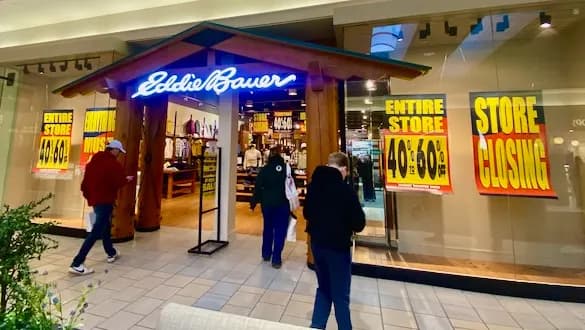
A wave of closures elsewhere in retail does not stay abstract for long on a Target sales floor. UBS now expects more than 40,000 U.S. stores to close over the next five years, a call that points to a harder market for department stores and specialty chains, while off-pricers keep expanding and large chains such as Target, Walmart and Costco gain ground.
The driver is not just weak shopping patterns. UBS said e-commerce growth, helped by artificial intelligence, is pushing more business online, while tariffs and net-negative immigration could add more pressure if those policies remain in place. The firm also cited Bureau of Labor Statistics data showing 5,000 fewer U.S. stores in the third quarter of 2025 than in the same period a year earlier. At that point, the country had fewer than three stores for every 1,000 people, down about 12% from 2003.
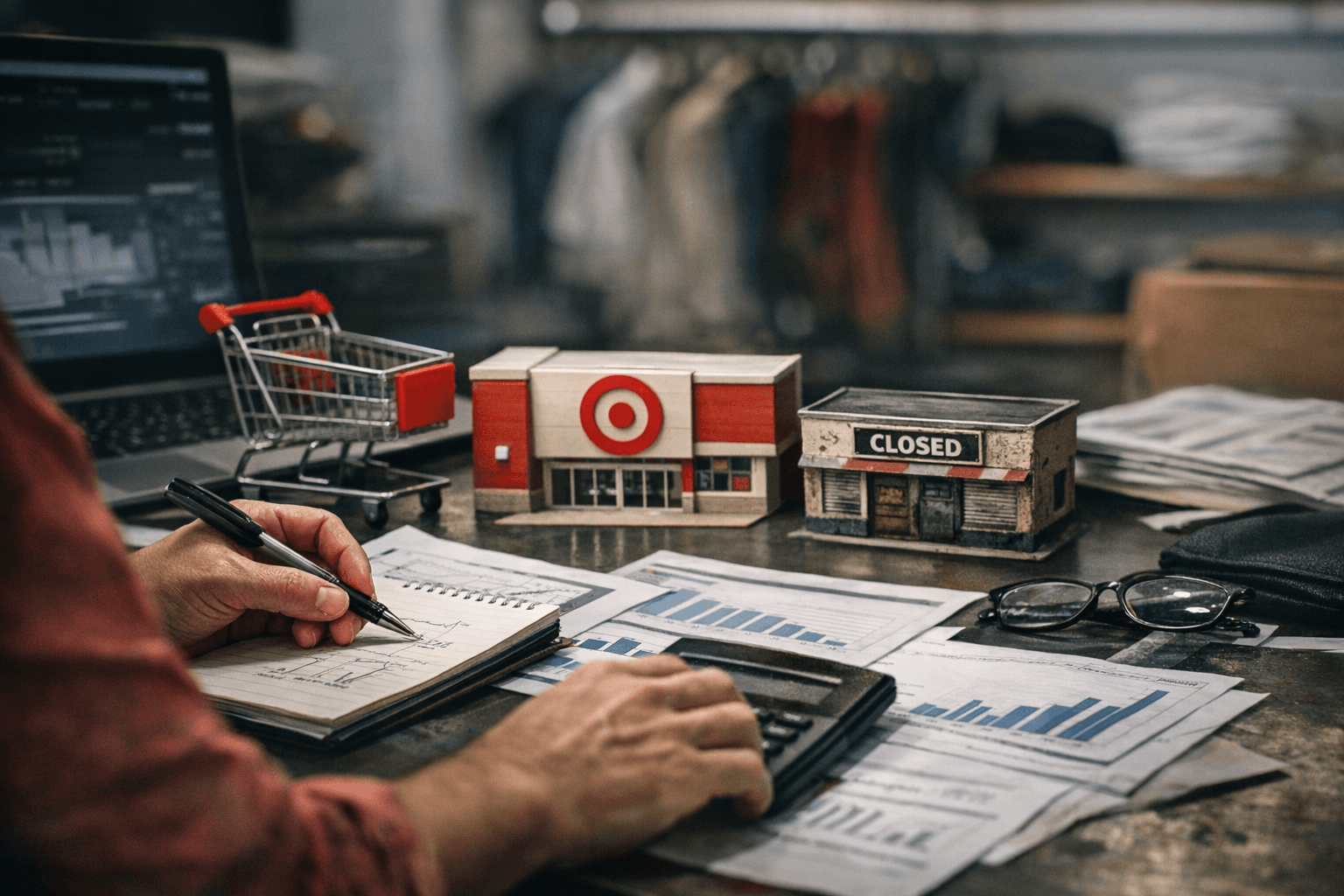
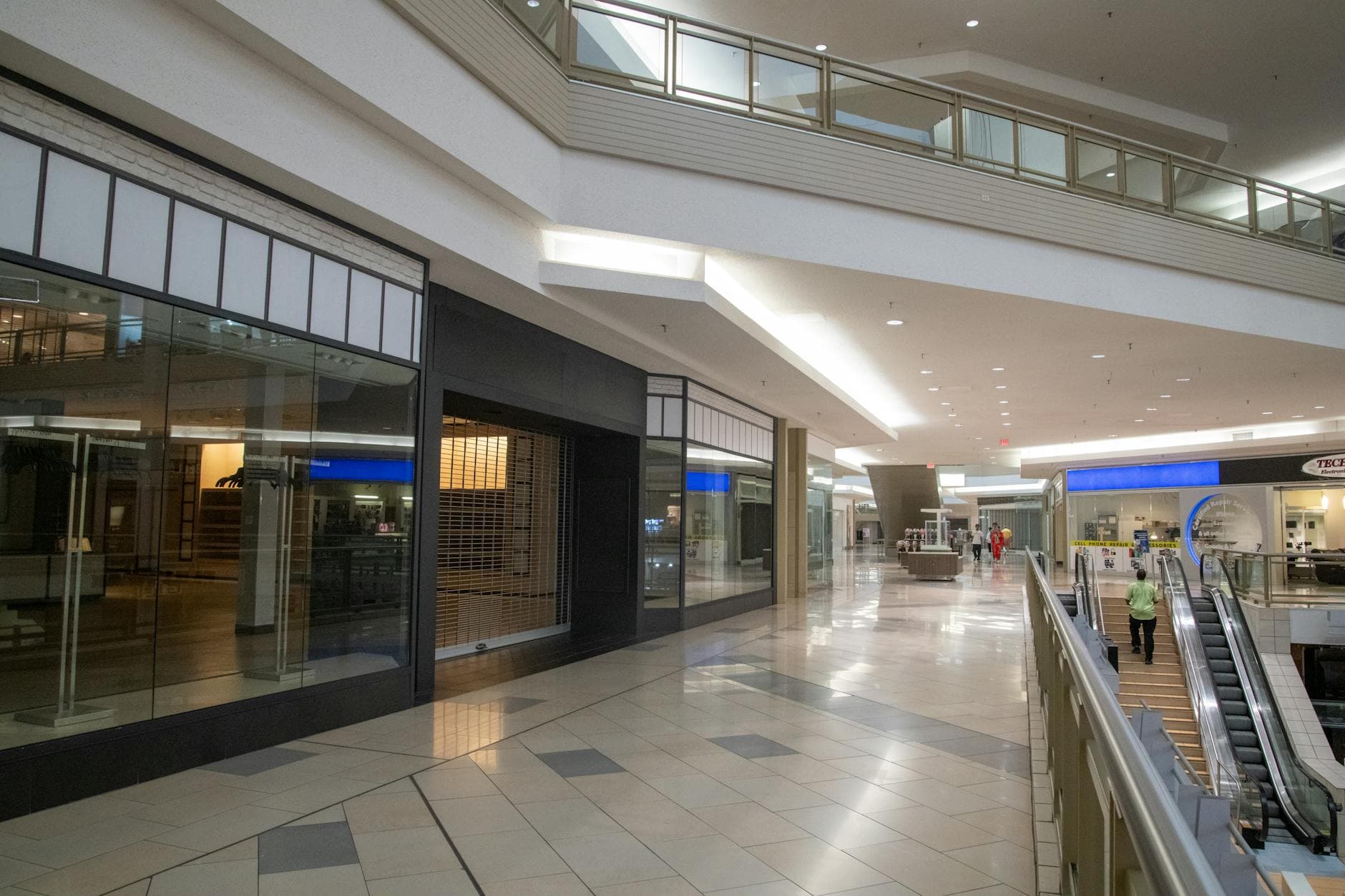
For Target teams, the immediate effect of that kind of shakeout is not a tidy victory lap. When a mall anchor or neighborhood chain closes, nearby traffic patterns change fast. Shopping centers lose draws, vendor rosters turn over, and the remaining stores often absorb more price-sensitive guests looking for one-stop convenience and sharper value. That can mean bigger baskets on some days, softer traffic on others, and a guest mix that is more promotional and less loyal than usual.
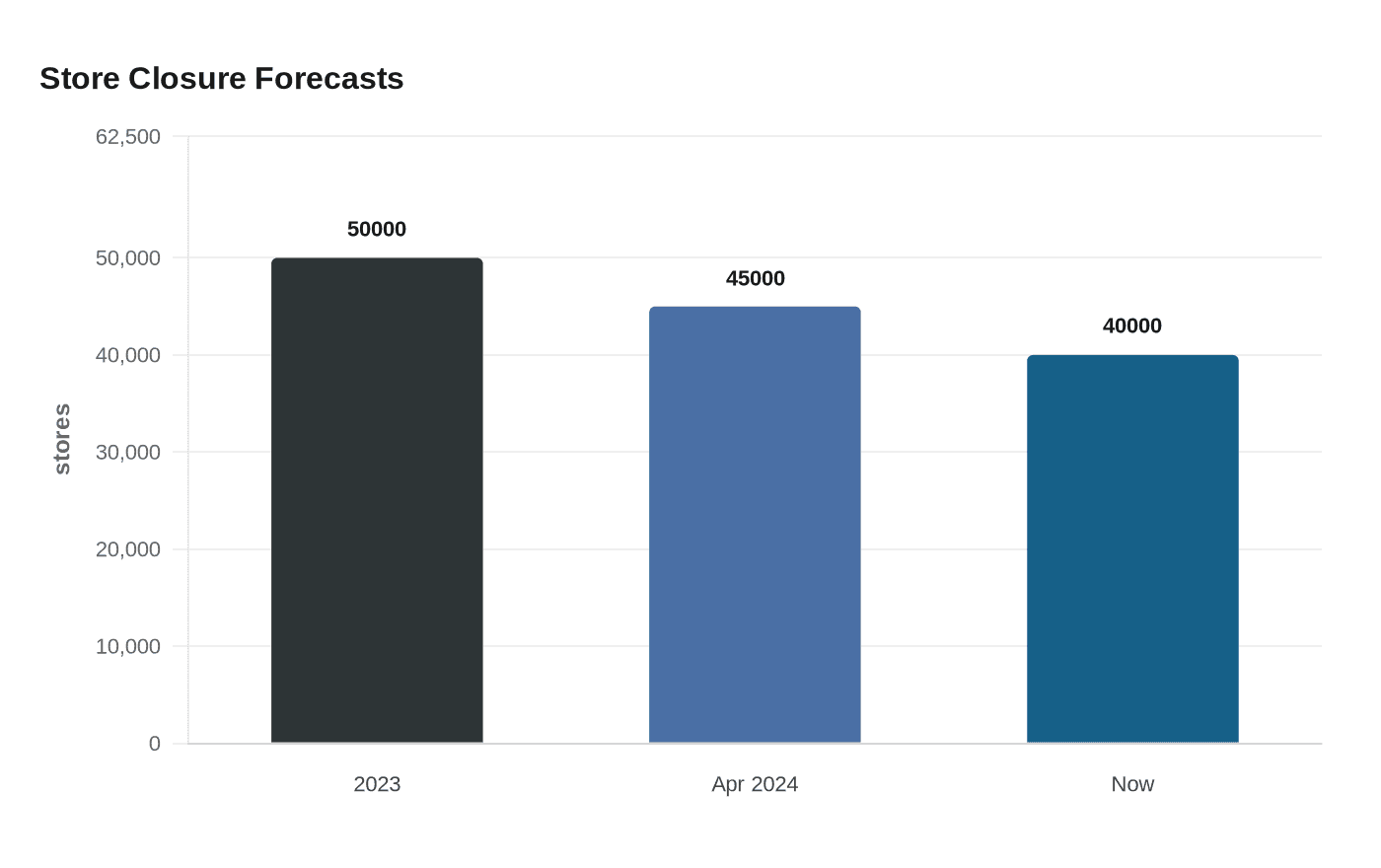
UBS has been dialing up its warning for years. In April 2024, the firm projected about 45,000 closures over five years. In 2023, it said closures could reach 50,000, or 90,000 in a recession. The latest call is still the same basic message: the physical store base in the United States is thinning, and only retailers that can run productive stores with enough service and differentiation are likely to keep winning trips.
Target is choosing the opposite path. On March 3, the company said it would raise 2026 capital investment plans by more than $1 billion, to about $5 billion, with money going to new stores, remodels, technology and supply-chain investments. Target said it planned to open around 20 new stores in 2025, remodel many more, and keep adding more than 300 stores over 10 years. As of fiscal 2025, it had 1,995 U.S. stores, and it reported full-year 2025 adjusted earnings of $7.57 a share. In a market where weaker rivals are shrinking, Target is betting that more stores, better execution and tighter operations will be the edge that matters most.
This article was produced by Prism’s automated news system from verified source data, official records, and press releases, then run through automated quality and moderation checks before publishing. The system is built and supervised by the people who set the standards it runs under. Read our full AI policy.
Did this article answer your question?