U.S. retail sales rise 1.7%, signaling steady demand and more online fulfillment pressure
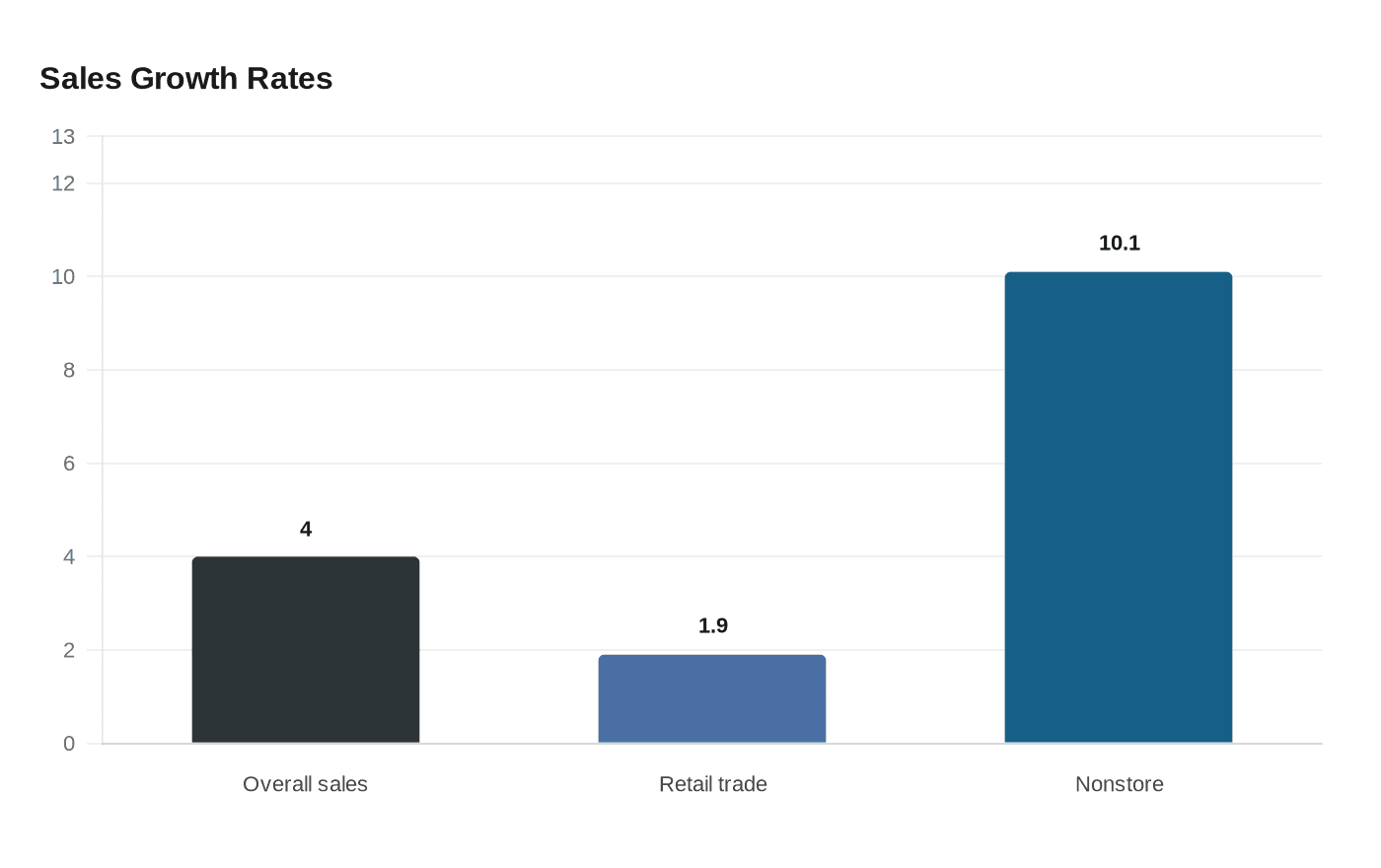
March retail sales rose 1.7%, but the bigger Target story is the 10.1% jump in nonstore sales and the added pressure on Drive Up, pickups, and backroom accuracy.
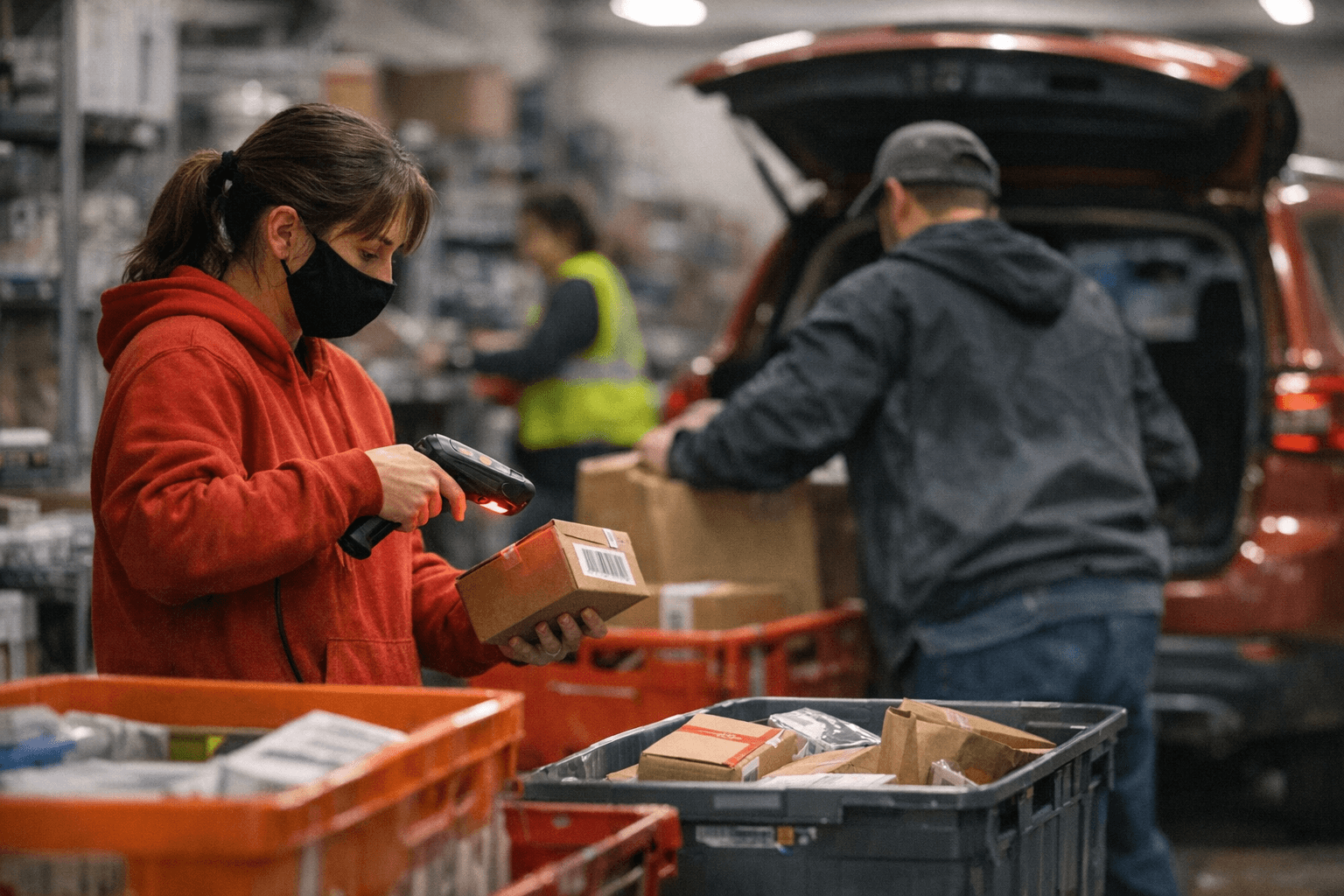
A 1.7% rise in March retail sales looks healthy on paper, but inside a Target store it reads more like a warning that demand is holding while the work keeps shifting toward digital fulfillment. The U.S. Census Bureau estimated retail and food services sales at $752.1 billion in March 2026, up 4.0% from a year earlier, with retail trade sales up 1.9% from February and nonstore retailers up 10.1% from March 2025.
That category mix matters for team members on the floor. Strong online growth means more pressure on Order Pickup, Drive Up, same-day delivery, and the inventory accuracy that keeps those promises from breaking down. A guest may still see steady traffic in home, apparel, beauty, food, and seasonal aisles, but the labor strain can show up elsewhere: more pulls from the backroom, tighter replenishment windows, and fewer seconds to spare when a fulfillment batch spikes or a Drive Up lane fills up.

Target has already told investors how central that shift has become. In March, the company said same-day fulfillment services accounted for two-thirds of its digital sales, and that same-day delivery powered by Target Circle 360 grew more than 30% in the fourth quarter of fiscal 2025. Target also said those same-day services generated more than $14 billion in fiscal 2025 sales, and it plans to expand next-day brown box delivery to 20 new metro areas this spring.
For workers, that means the sales headline is not just about whether demand is up or down. It is about where the workload lands. Target said on March 3, 2026, that it expected about 2% net sales growth this year, with new stores and non-merchandise sales contributing more than one percentage point of that total. The company also said it would invest in store payroll and training, a signal that stores are being asked to do more than sell product. They are being turned into faster, more reliable fulfillment hubs.
That makes the March retail report a useful baseline for late spring. Demand is still positive, but it is increasingly multichannel, and that puts a premium on guest service, backroom discipline, and teams that can move inventory quickly without letting the floor slip.
This article was produced by Prism’s automated news system from verified source data, official records, and press releases, then run through automated quality and moderation checks before publishing. The system is built and supervised by the people who set the standards it runs under. Read our full AI policy.
Did this article answer your question?