Workers Rights Handbook Explains Organizing Protections for Target Employees
A workers rights handbook from a worker advocacy and occupational safety group lays out federal protections under the National Labor Relations Act for frontline and retail employees, including what counts as concerted activity and guidance on wearing union insignia. The handbook offers practical checklists on documenting possible unfair labor practices, timelines for filing complaints, and direct links to government agencies and regional NLRB offices, information that can affect how Target workers organize and raise concerns on the job.

A new workers rights handbook aimed at frontline retail staff provides a step by step overview of employee protections under federal labor law and practical actions workers can take if they are organizing or raising workplace issues. The guide explains the National Labor Relations Act protections for concerted activity, clarifies what concerted activity typically includes, and offers clear guidance on topics such as wearing union insignia and discussing workplace conditions with co workers.
The handbook is written with retail and frontline workers in mind and includes concrete checklists that tell employees what to document when they suspect unfair labor practices. Recommended documentation examples include dates and times of incidents, names of managers and witnesses, copies of written communications or disciplinary notices, and a log of related conversations. The resource also directs readers to where they can get additional help and how to contact regional National Labor Relations Board offices and other government agencies that handle labor disputes.
Beyond documentation, the handbook maps out the steps involved in identifying and filing charges with the NLRB, and it provides timelines for when to act. For employees at large retailers such as Target this information can change how workplace conversations are handled, because it clarifies when protected concerted activity begins and how to preserve evidence if an alleged unfair labor practice occurs.
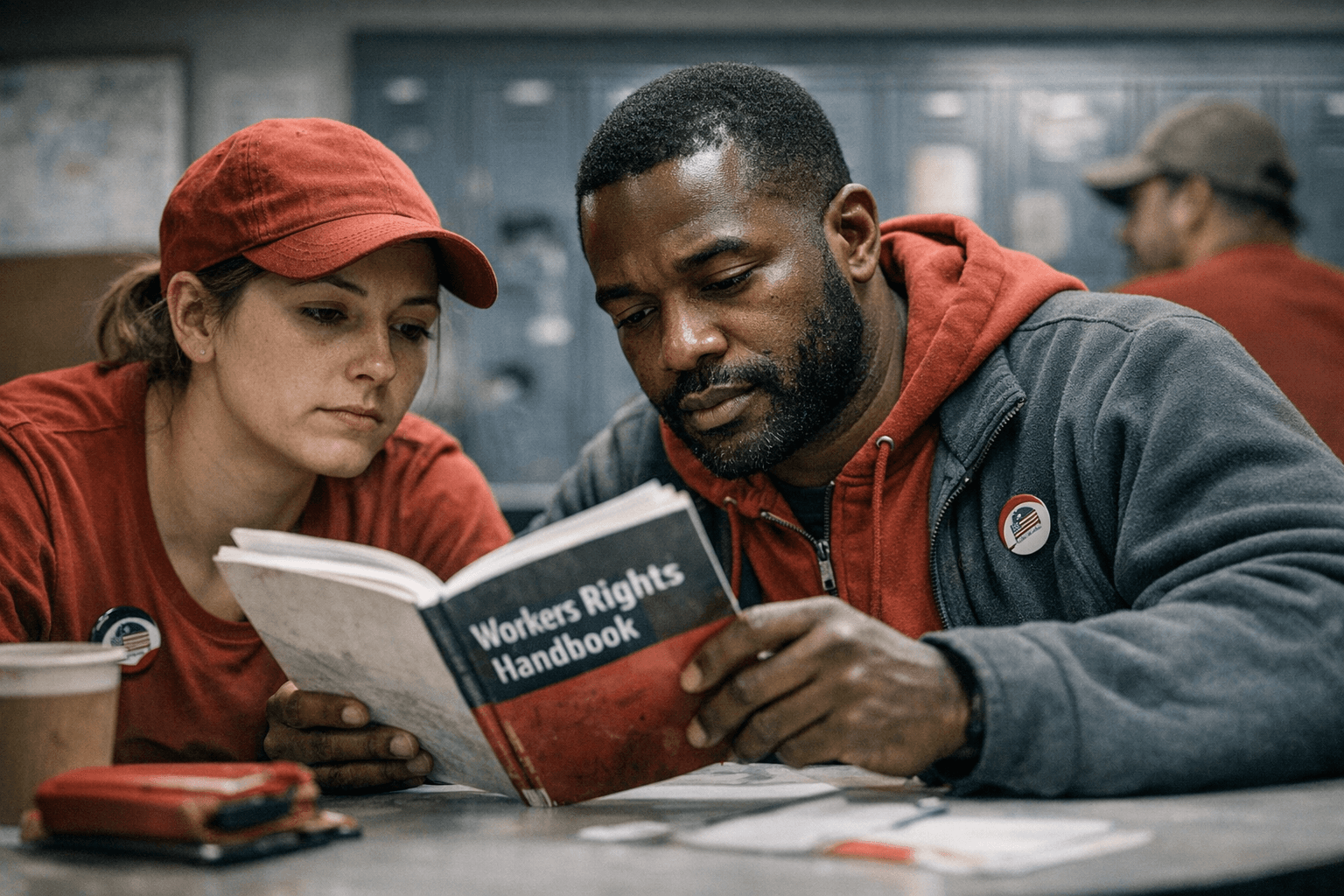
For managers and human resources teams the handbook underscores why clear, consistent policies matter and why training on lawful responses to employee organizing is important. For workers it serves as both a primer and a practical tool to assert rights, avoid common procedural mistakes, and find formal channels for redress. The guide includes direct links to government agencies and regional NLRB offices for follow up. The handbook can be found at wnycosh.org/workercenter/handbook/ and is intended to be used as a practical reference by employees seeking to understand and exercise their rights.
Know something we missed? Have a correction or additional information?
Submit a Tip