AI pricing lawsuit over gas raises antitrust warnings for grocers
A gas-price lawsuit names Walmart and Albertsons and alleges AI-driven coordination at 1,700 California stations, putting grocers on notice about opaque pricing.

A California class-action lawsuit over gasoline prices has put algorithmic pricing squarely in the crosshairs, and grocery workers should read it as more than a fuel story. The complaint names Walmart, Albertsons, 7-Eleven, Speedway, Circle K, bp and Marathon Petroleum, and says software helped coordinate pump prices at more than 1,700 California gas stations.
The suit centers on Kalibrate, a U.K.-incorporated pricing technology company with U.S. operations, and alleges the system connected directly to pumps and signs while using competitor data in a way that replaced independent pricing with automated collusion. The claims invoke California’s Cartwright Act and AB 325, the state law Gavin Newsom signed on October 6, 2025, which took effect on January 1, 2026. Legal analyses of the law say it targets common pricing algorithms and lowers the pleading threshold for antitrust claims built around coordinated software.

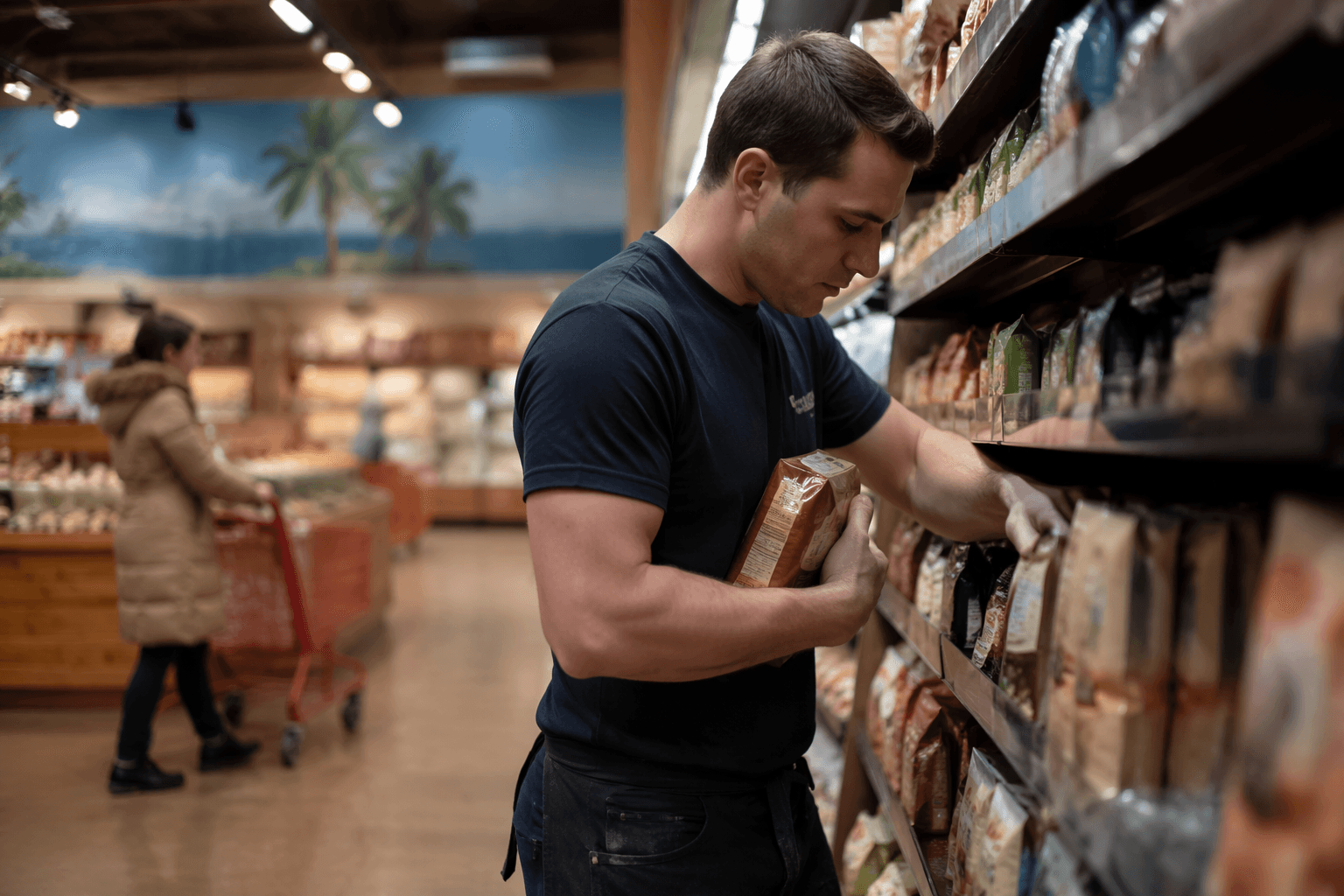
California regulators are already moving in the same direction. Attorney General Rob Bonta opened a formal inquiry into surveillance pricing in the retail, grocery and hotel sectors in January, saying his office wanted to examine how businesses use personal data to set prices. For store-level workers, that matters because customer anger usually lands first at the front end, not in legal departments. When shoppers think pricing is opaque, the person explaining shelf tags, app offers or promotional changes is often the Crew Member at the register or on the floor.
Trader Joe’s has taken a different public position. The company says it is committed to “outstanding value” and “the best everyday prices,” and it has long operated without a loyalty program or app-based rewards. Trader Joe’s has said loyalty programs can be a disguised way to collect customer purchase data, a stance that looks increasingly relevant as regulators scrutinize retail pricing tools that lean on consumer data or automated recommendations.
That does not mean every pricing tool is risky. Demand forecasting, inventory planning and markdown systems can help stores avoid waste and keep products moving. But the lawsuit and California’s new law sharpen the distinction between automation that supports operations and systems that may create antitrust exposure, reputational blowback or more difficult conversations on the sales floor.
For a chain built on crew culture, curated products and a straightforward value proposition, the lesson is practical. The more pricing feels machine-made and hidden, the more pressure lands on frontline trust, and the harder it becomes to defend the store’s sense of fairness one customer interaction at a time.
This article was produced by Prism’s automated news system from verified source data, official records, and press releases, then run through automated quality and moderation checks before publishing. The system is built and supervised by the people who set the standards it runs under. Read our full AI policy.
Did this article answer your question?