Kroger buys Giant Eagle, raising the stakes for grocery workers
Kroger’s $1.65 billion Giant Eagle deal adds more scale to grocery and could tighten pressure on staffing, scheduling and local decision-making across regional chains.

Kroger agreed to buy Giant Eagle for $1.65 billion, adding another regional grocer to the industry’s consolidation wave and putting fresh pressure on store labor. The deal, announced July 1, was unanimously approved by Kroger’s board and is not expected to close until 2027.
The transaction gives Kroger a chain with about $9 billion in annual sales, 197 supermarkets and 11 standalone pharmacies. Kroger structured the purchase as $1.25 billion in cash plus about $400 million in liabilities, and said it expects limited store divestitures as regulators review the deal. Kroger framed the acquisition as a way to expand into adjacent markets and strengthen its store base, while also tying Giant Eagle’s loyalty, pharmacy and private label business to Kroger’s e-commerce, data and personalization tools.
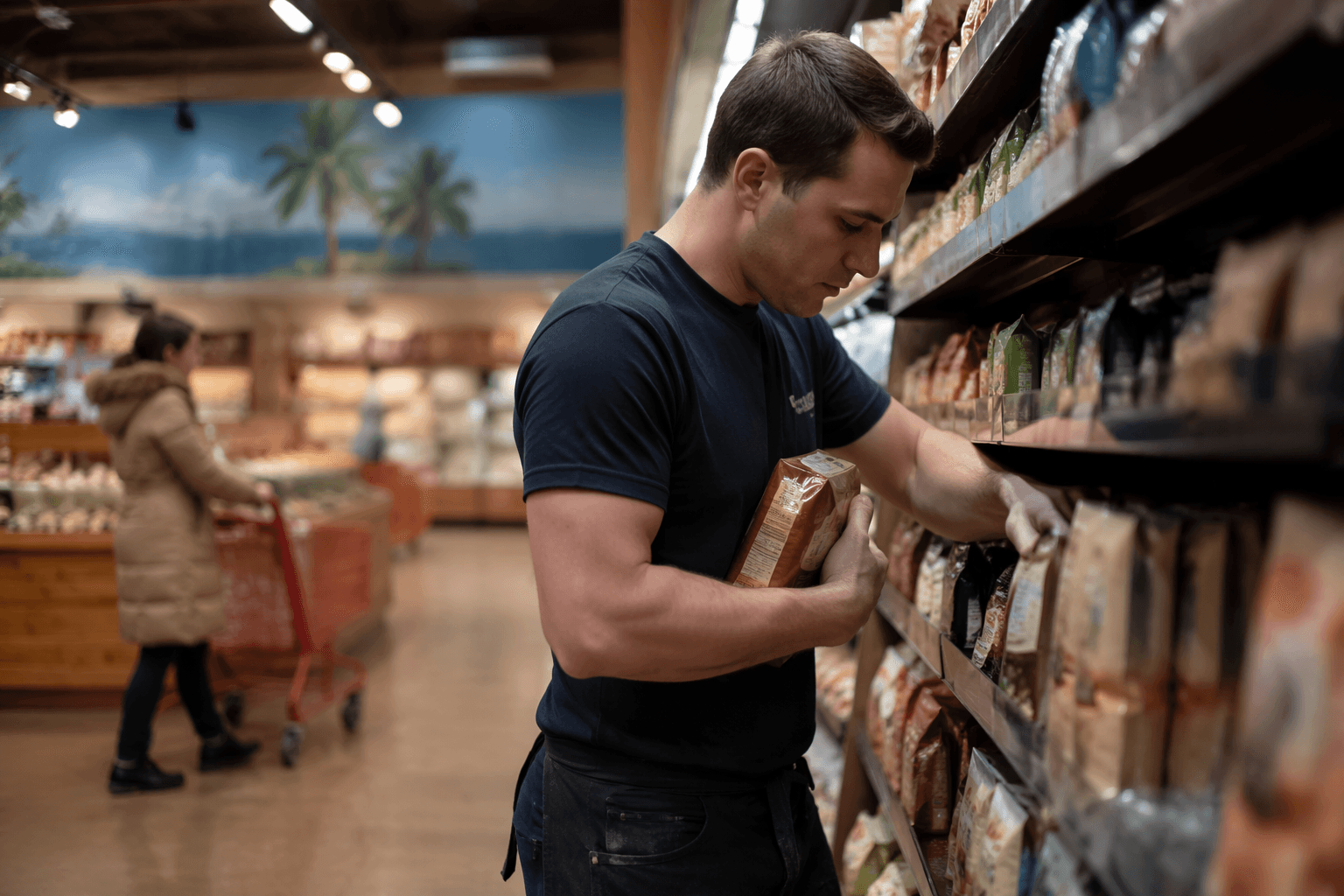
That language matters because grocery mergers rarely stop at the headline price. When chains combine, the first changes often happen far from the sales floor: headquarters teams are merged, buying decisions get centralized, and scheduling systems are standardized across more stores. For workers, that can mean fewer local calls on staffing, less flexibility in hours, and more pressure on managers to hit labor targets set higher up the chain.

The biggest risk in regional grocery consolidation is not always layoffs on day one. It is the slow narrowing of internal mobility and local decision-making. When a company absorbs a banner like Giant Eagle, overlapping roles in merchandising, pharmacy, digital, payroll and district leadership often get scrutinized. Store teams can feel it as tighter staffing models, less room to adjust schedules around real demand, and a clearer line between what the store needs and what corporate finance will allow.
For Trader Joe’s crew members and managers, the deal is another reminder that the rest of grocery keeps chasing scale while Trader Joe’s competes on a different model: simpler stores, a curated assortment, and a culture that leans hard on crew autonomy and customer experience. That contrast is part of Trader Joe’s edge, along with above-market pay and the pride that comes with working a distinctive format. It is also why labor pressure elsewhere in grocery matters here too, especially as union organizing has picked up in the company’s first major push since 2022. If the biggest rivals keep getting larger, the benchmark for what counts as a lean, profitable store will keep rising around them.
This article was produced by Prism’s automated news system from verified source data, official records, and press releases, then run through automated quality and moderation checks before publishing. The system is built and supervised by the people who set the standards it runs under. Read our full AI policy.
Did this article answer your question?