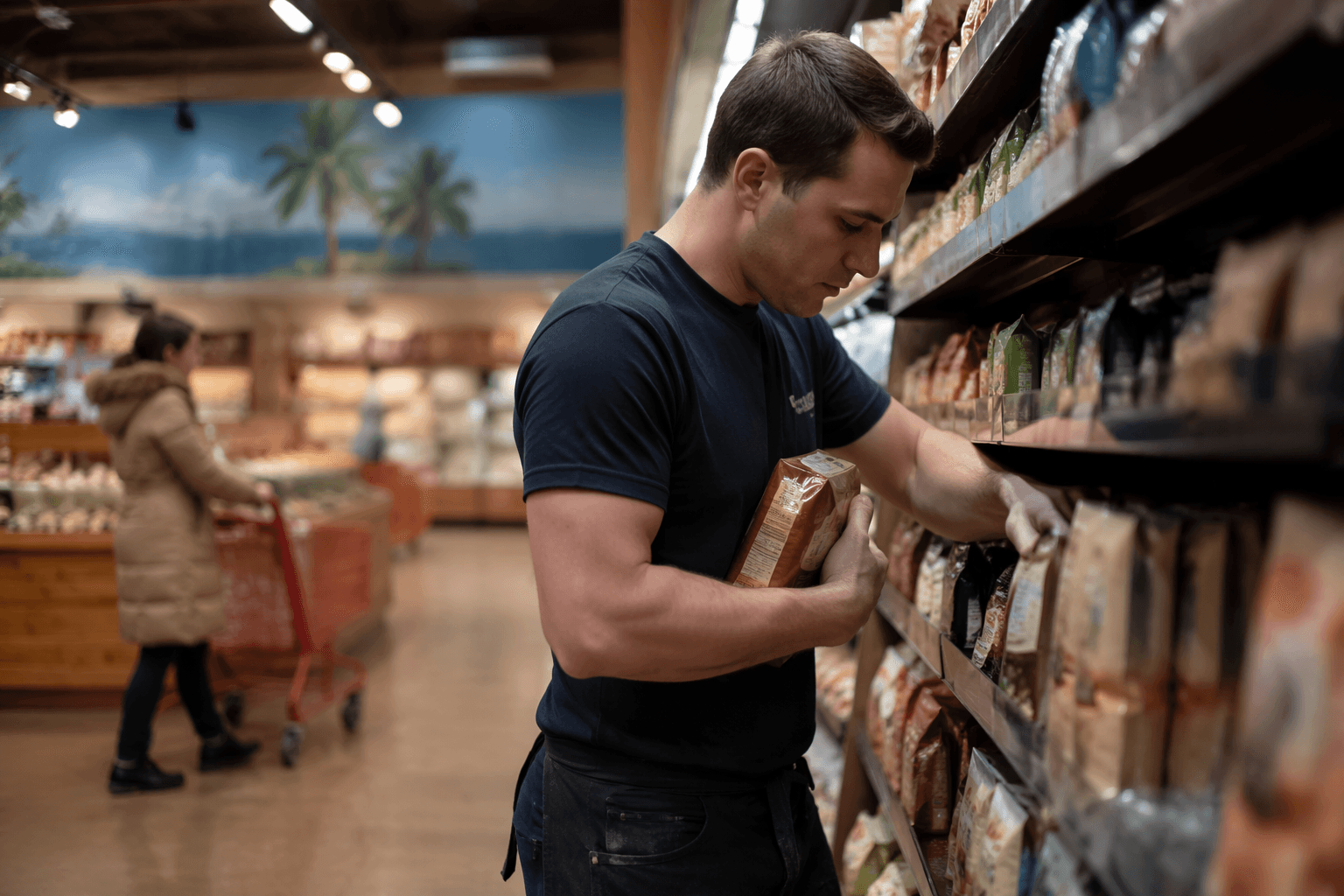
BLS data show rising productivity and labor costs for Trader Joe's stores
Productivity rose 0.8% while unit labor costs climbed 2.3%, sharpening the pressure on Trader Joe’s scheduling, raises and workload.
The newest Bureau of Labor Statistics numbers give Trader Joe’s crew a blunt read on the labor market their stores are working inside. In the first quarter of 2026, nonfarm business labor productivity rose 0.8 percent while hourly compensation increased 3.1 percent, pushing unit labor costs up 2.3 percent. The labor share fell to 54.1 percent, the lowest recorded value since the series began in 1947.
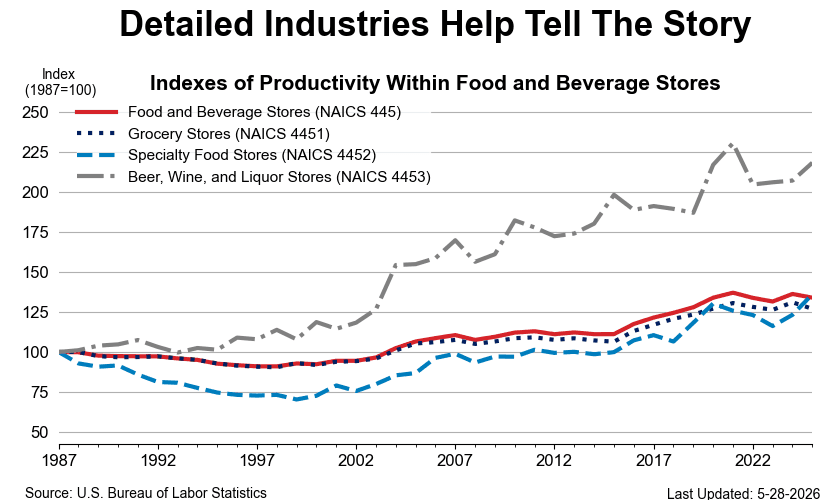
That matters because it shows the tension retailers are trying to manage: workers are getting more expensive, but output is not rising fast enough to erase the pressure. Over the current business cycle, which began in the fourth quarter of 2019, nonfarm business productivity has grown at an annualized 2.1 percent rate, above the 1.5 percent pace in the previous cycle and just under the 2.2 percent long-run average since 1947. On May 28, the BLS added another layer to the picture, saying wholesale trade productivity rose 4.4 percent in 2025 and retail trade productivity rose 2.9 percent, even as unit labor costs declined 0.4 percent in wholesale trade and 0.7 percent in retail trade. Output grew and hours worked fell in both sectors, and productivity increased in 35 of 46 trade industries.

For Trader Joe’s, that is the kind of data that tends to show up in the store as tighter schedules, more pressure on cross-training and a stronger expectation that every hour has to count. Grocery stores sit inside retail trade, which the BLS said accounted for 12.4 percent of nonfarm business employment in 2024. Trader Joe’s has built its brand around above-market pay, crew culture and a store model that rewards speed and flexibility. The company says Crew Members get two performance reviews a year and have the potential for an average 7 percent annual increase. It also says 78 percent of Mates started as Crew and 100 percent of Captains were promoted from the Mate role. Crew Members can receive up to a 20 percent store discount, eligible health coverage with contributions as low as $25 a month, and paid time off that starts at roughly 5 to 10 days a year and rises with tenure.

That compensation structure does not remove the pressure; it just defines where it lands. If productivity keeps rising while labor costs stay elevated, managers have more reason to demand cleaner scheduling, sharper execution and fewer wasted motions on the sales floor. That becomes even more important as Trader Joe’s keeps growing. The chain opened 34 stores in 2024 and 43 in 2025, says it expects to open more than 20 in 2026, and had already opened two locations this year while announcing 17 more by late March, including Miller Place, New York, Hamden, Connecticut and coming stores across California, Washington, Illinois, New Jersey, Louisiana and Utah. With Trader Joe’s United and other labor pressure still part of the backdrop, the BLS data point to a simple reality for crew: the company is expanding inside a retail system that is still pushing hard for more output from every paid hour.
This article was produced by Prism’s automated news system from verified source data, official records, and press releases, then run through automated quality and moderation checks before publishing. The system is built and supervised by the people who set the standards it runs under. Read our full AI policy.
Did this article answer your question?