Connecticut bans personalized pricing, tightening grocery trust rules
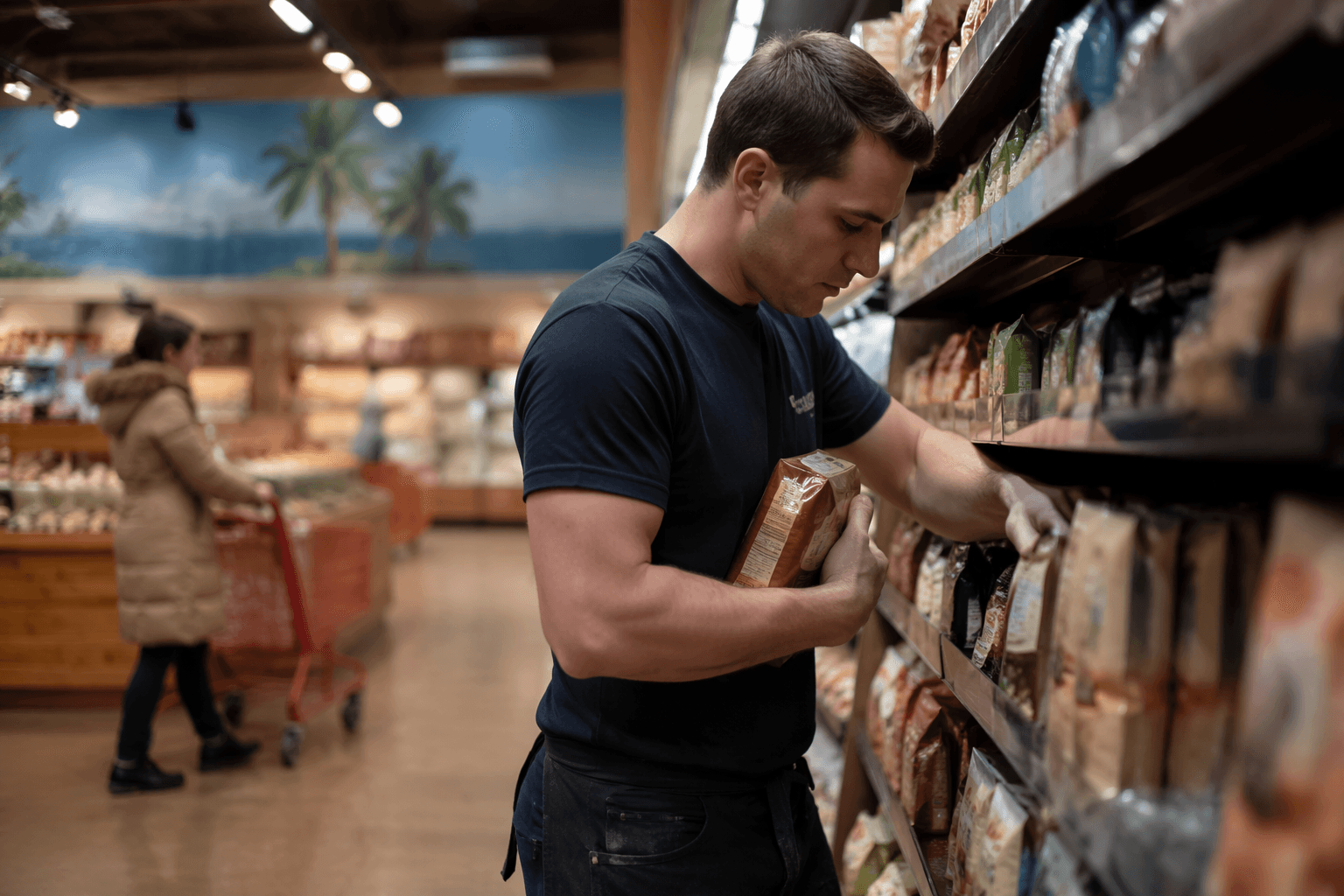
Connecticut became the second state to bar personalized grocery pricing, and Trader Joe’s crew may need to explain why shoppers keep asking if prices follow them.
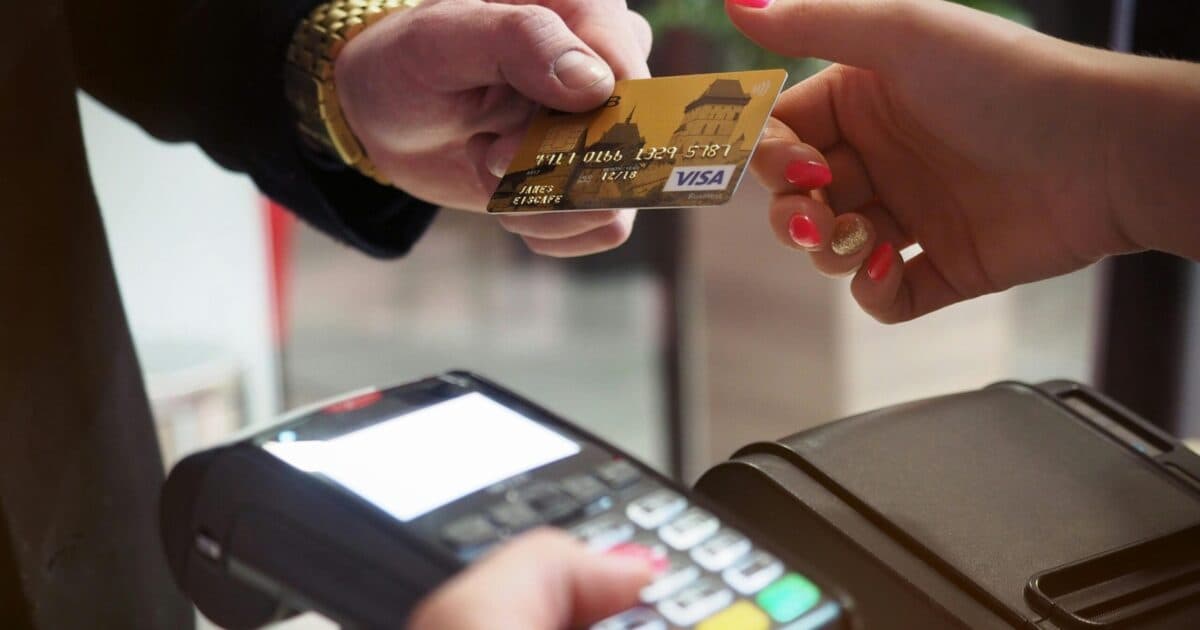
Connecticut’s new law draws a sharper line around grocery pricing: retailers cannot use personally identifiable data to customize prices for individual shoppers. Gov. Ned Lamont signed HB 5563 on June 4, making Connecticut the second state to curb so-called “surveillance pricing,” after Maryland moved first earlier in the spring.
For Trader Joe’s crew, the significance is practical. Pricing is one of the fastest ways shoppers decide whether a store feels fair, and the questions now reaching the register are more specific: Can prices change by person, app use or shopping history? Can a store charge one shopper more because of what it knows about that shopper? The new state rules are pushing those questions from theory into everyday customer service.

The legal backdrop is widening quickly. Maryland Gov. Wes Moore signed HB 895, the Protection From Predatory Pricing Act, on April 28, and the law takes effect on October 1. New York lawmakers passed the One Fair Price Act on June 4 as well, adding to a state-level crackdown on pricing models that consumer advocates say turn private data into a price tag. Connecticut’s action put it squarely in the middle of that shift.
Federal regulators have already warned that the risk is real. The Federal Trade Commission said in January 2025 that its surveillance-pricing study found companies can use details like precise location or browser history to set different prices for the same goods and services. The agency opened its probe in July 2024. Consumer Reports has said purchase histories, browsing and search histories, geolocation, IP address and device type can all feed personalized pricing systems.
Trader Joe’s has spent decades leaning the other way. The company says it is committed to “best everyday prices” and has been transforming grocery shopping since 1967. It also says it does not sell products online, offer curbside pickup or delivery, or work with third-party delivery services, a model that keeps the price conversation anchored in the store instead of an app, a loyalty profile or a delivery algorithm.
That simplicity matters for crew members because it shapes the trust conversation on the floor. Shoppers who have read about surveillance pricing, electronic shelf labels and AI-driven markups are more likely to ask whether a store is changing prices behind the scenes. Consumer Reports said some Instacart grocery prices differed by as much as 23 percent per item from one customer to the next before reporting that Instacart had stopped its AI pricing tests by April 2026. In a grocery market where that kind of spread can make headlines, Trader Joe’s one-price-for-all approach is no longer just a brand story. It is part of the public standard customers now expect.
This article was produced by Prism’s automated news system from verified source data, official records, and press releases, then run through automated quality and moderation checks before publishing. The system is built and supervised by the people who set the standards it runs under. Read our full AI policy.
Did this article answer your question?