Consumer trust in AI shopping slips, reinforcing Trader Joe's hands-on model
Sixty-one-point-five percent of shoppers have used AI to discover products, but 55% still do not want it making purchases for them.
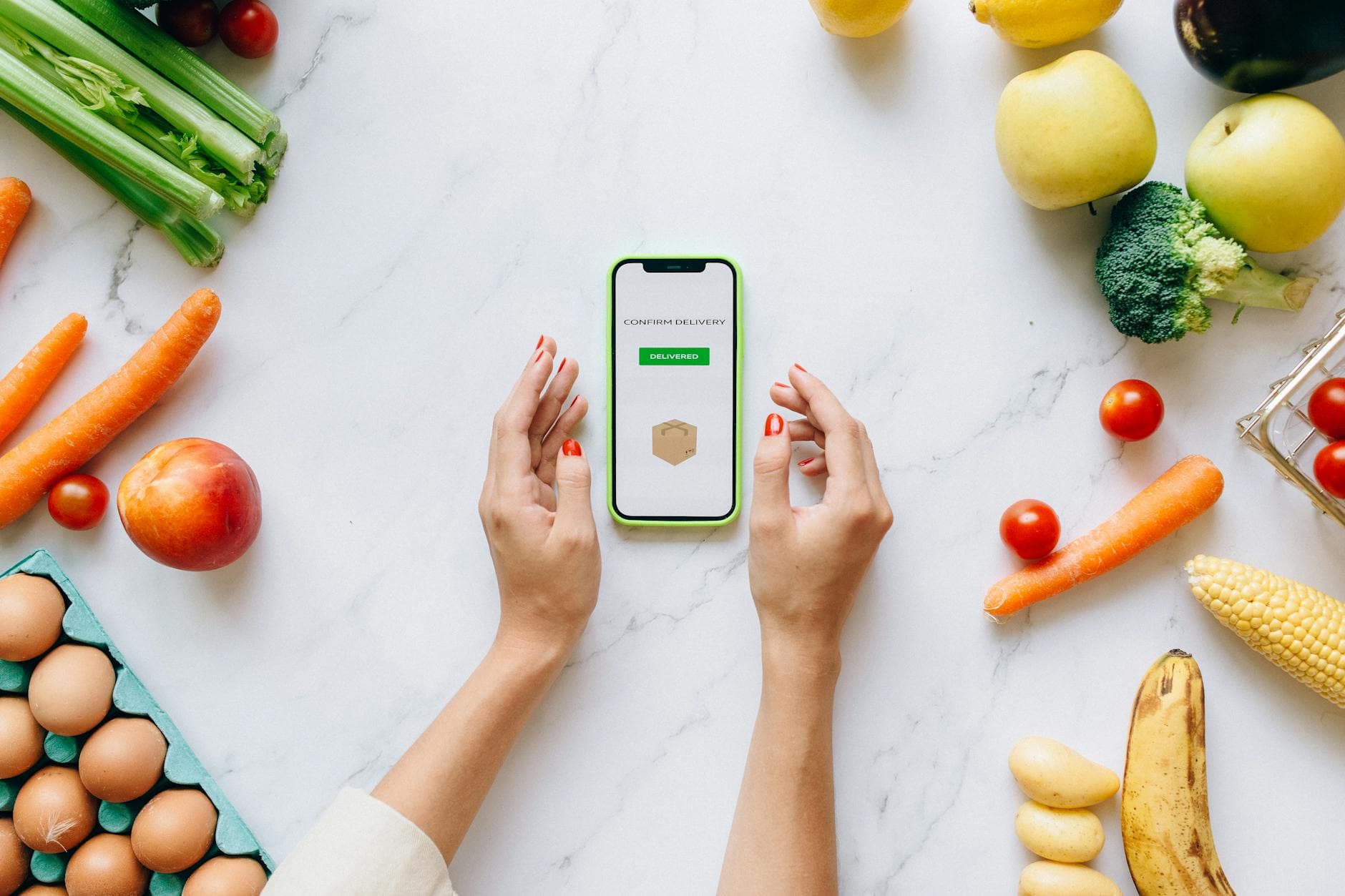
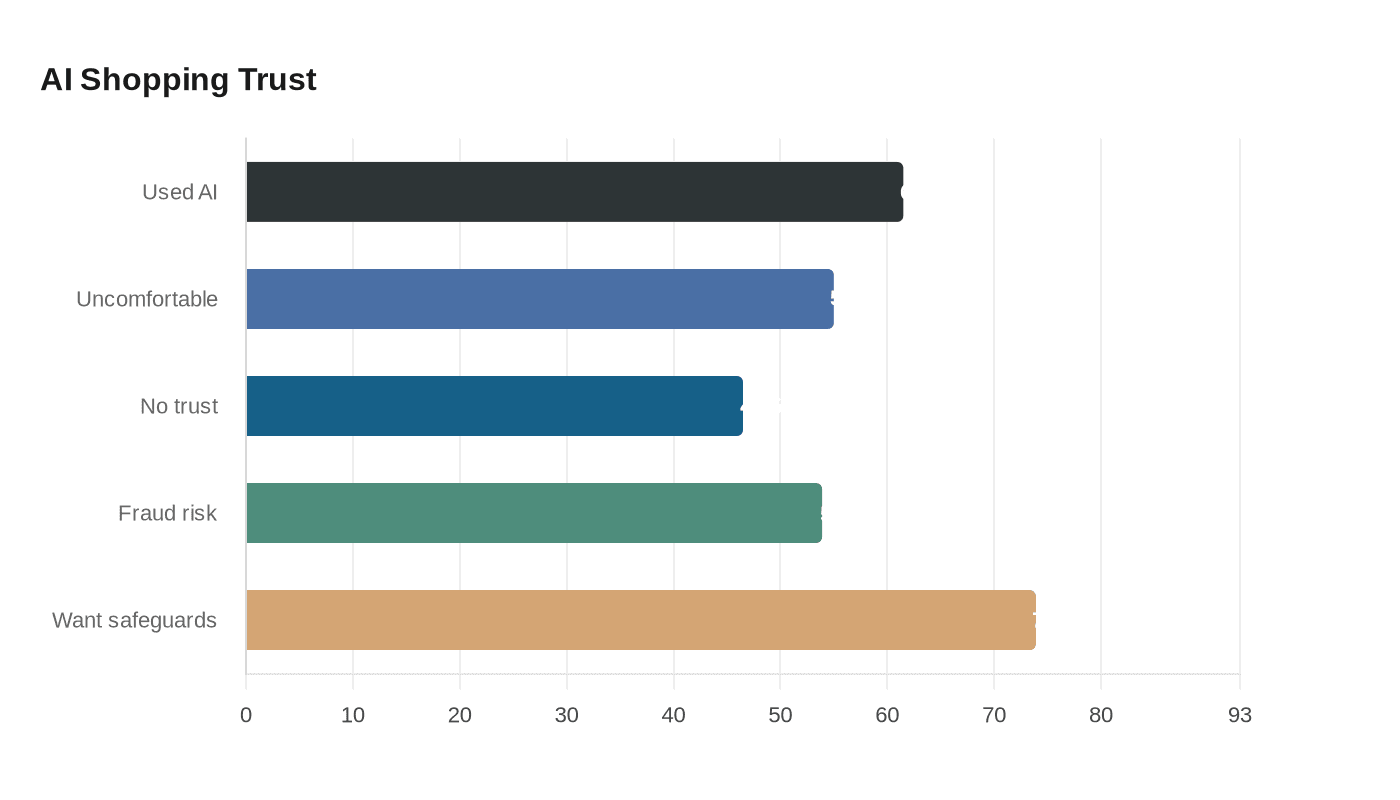
Consumers are warming to AI as a shopping helper, but not as a buyer. In Riskified’s Q1 2026 Agentic Commerce Pulse survey, 61.5% of shoppers in the United States and the United Kingdom said they had used AI tools for product discovery and recommendations, while 55% said they were uncomfortable letting AI agents make purchases on their behalf.
That split matters for grocery, where trust is part of the product. The same survey found 46.5% of consumers do not trust any company to manage purchases for them, 53.9% believe AI could raise the risk of online fraud, and 73.9% expect strong safeguards such as biometric or one-time-password authentication. The message is plain: people may use AI to browse, but they still want accountability before they hand over control.
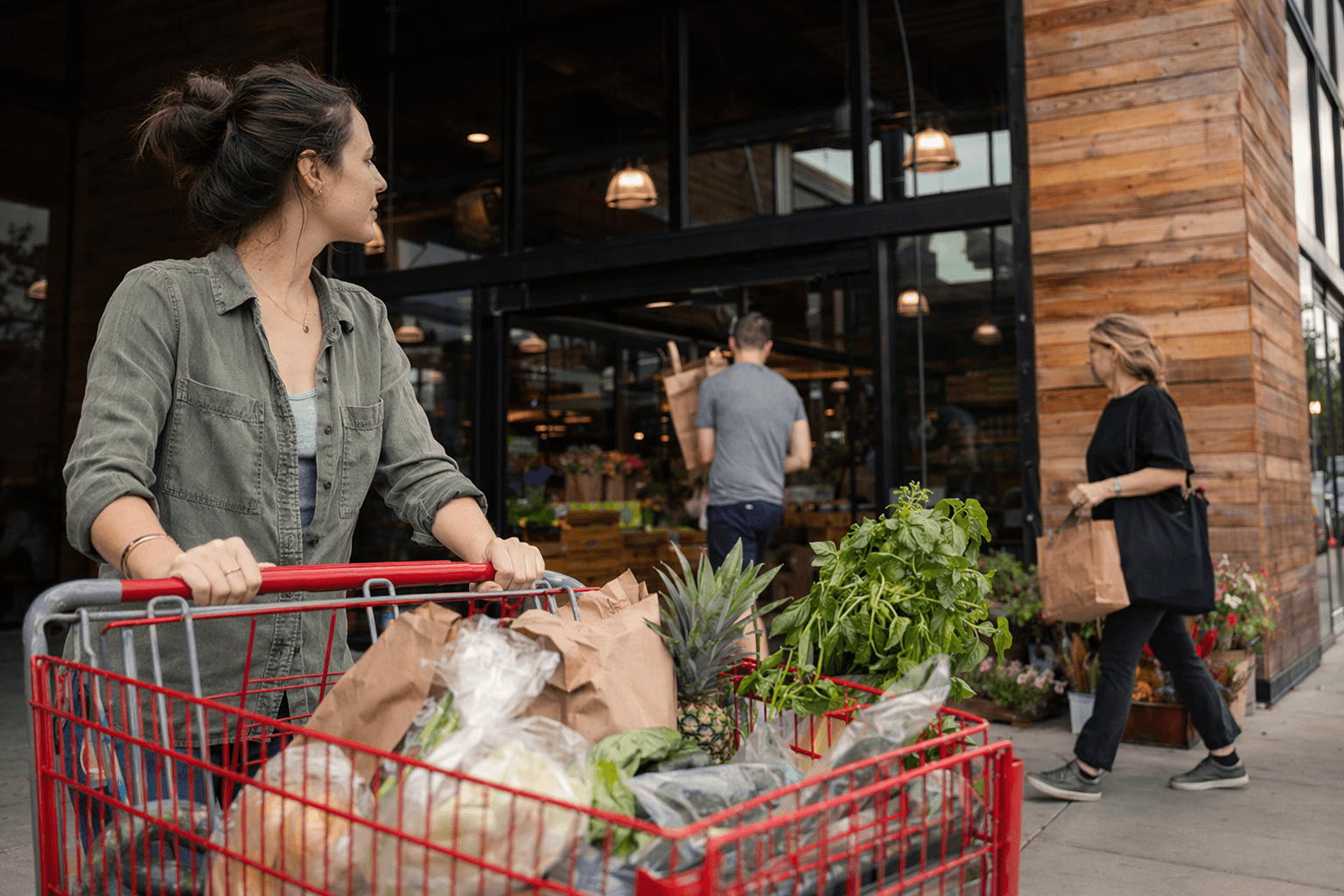
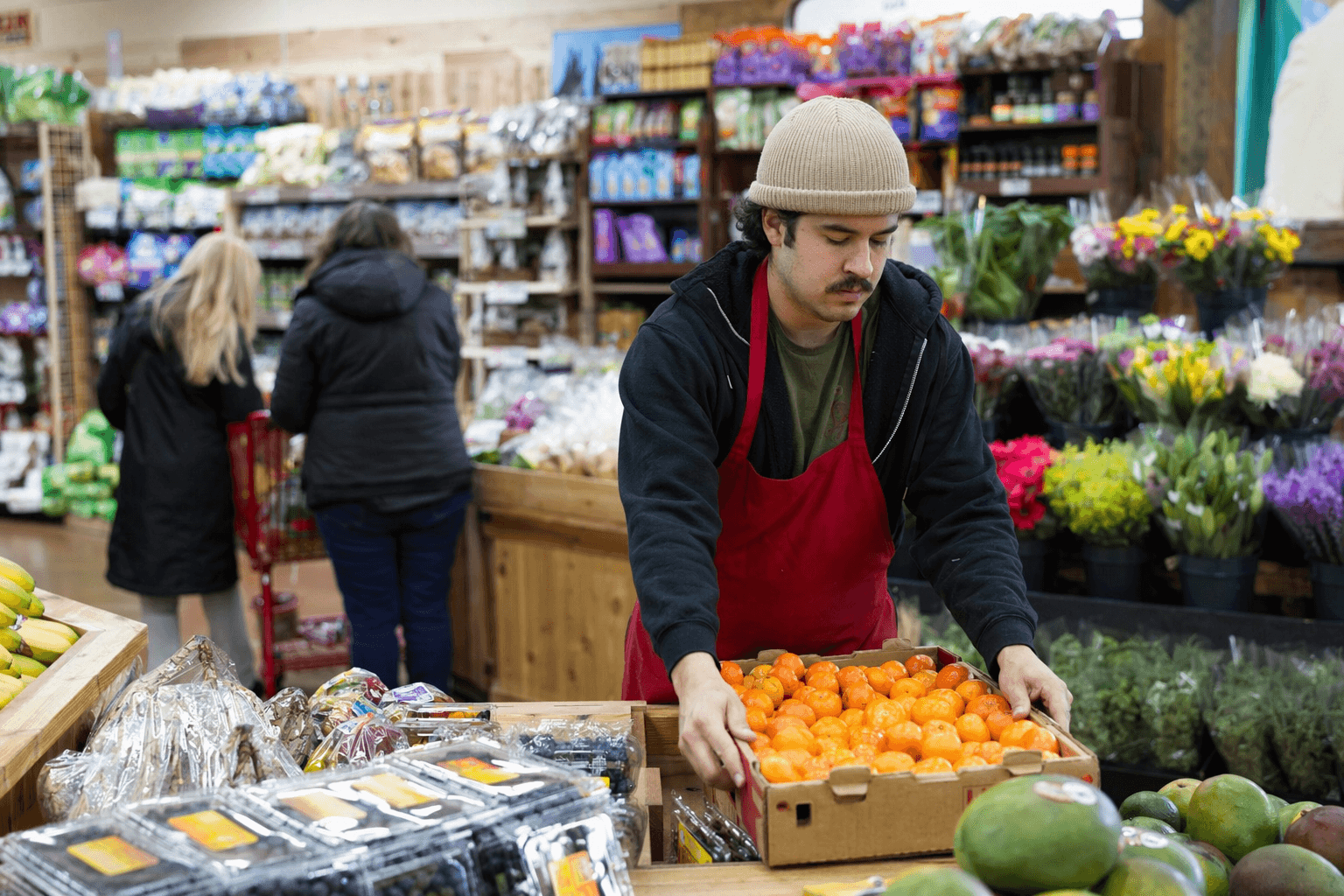
For Trader Joe’s, that tension is a reminder that its low-tech model is not a relic. The chain does not sell products online, does not offer curbside pickup or delivery, and does not work with third-party delivery services such as Instacart or Dumpling because it says they cannot match its in-store value and shopping experience. Instead, Trader Joe’s keeps the focus on the store floor, where crew members run the register, stock shelves, create displays, and make sure every customer has a fun, friendly and informative shopping experience.
That human layer is still where a lot of grocery trust gets built. Trader Joe’s says the best place for product information is a neighborhood store, and that approach fits a shopper base that may be willing to use AI for inspiration but still wants a person to explain an ingredient, answer a dietary question, or help decide what to make for dinner. In a category where a bad recommendation can mean a wasted meal or a lost customer, the handoff to a real employee remains part of the value proposition.
The company is also still growing on the ground, not online. Trader Joe’s said on April 21 that a McKinney, Texas, store was coming soon, adding to a run of expansion that included 34 stores opened in 2024 and dozens more planned for 2025. Grocery Dive reported openings in Seattle and Murfreesboro, Tennessee, as the first additions to the chain’s store fleet this year. That mix of growth and restraint gives Trader Joe’s a useful position in the current market: while tech-heavy commerce models work to win trust, the chain is betting that the most durable answer is still a store full of people, product knowledge and clear accountability.
Know something we missed? Have a correction or additional information?
Submit a Tip