Trader Joe’s FAQ Says No Online Sales, Coupons, or Delivery
Trader Joe’s latest store growth comes with an old-school rulebook: no delivery, no coupons, no online sales. That choice shapes every shift on the floor.
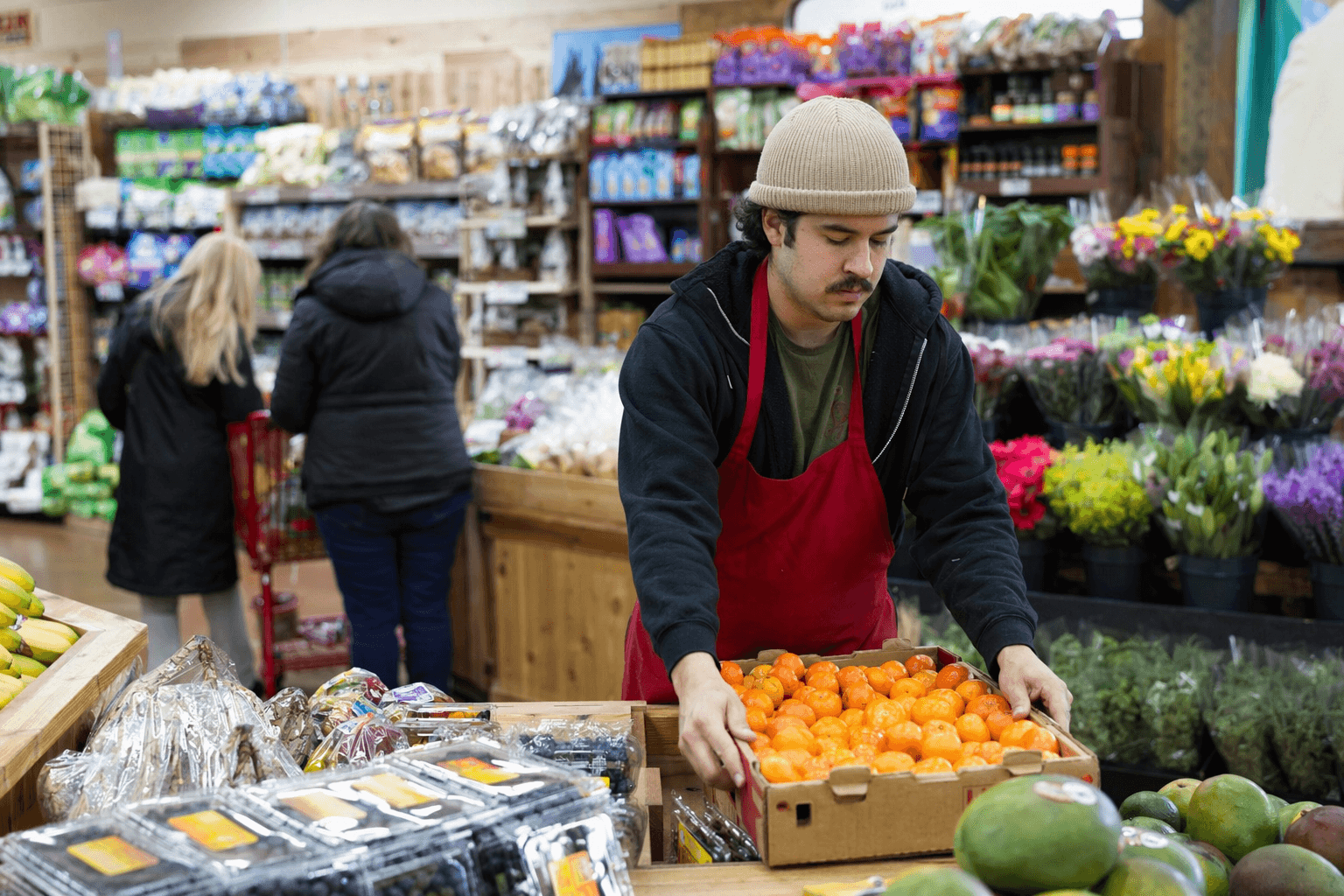
McKinney shows the model is still expanding
Trader Joe’s is still adding stores, but the company’s growth story is not built around apps, delivery vans, or online checkout. Its April 21 announcement that it had found a location for a new store in McKinney, Texas, sits alongside a larger pattern: 34 openings in 2024 and plans for at least 12 more in 2025. That expansion matters because it confirms something the chain has made clear in its own FAQ, its stores are the business, and the store floor is where the customer experience lives.
For crew members and managers, that is not a branding slogan. It is a staffing and service model. Every rule in the FAQ, from no curbside pickup to physical gift cards only, pushes more traffic through the front door and more questions into the aisle. The company’s growth is happening in a format that keeps the human handoff at the center of the transaction.
The FAQ reads like an operating manual
Trader Joe’s General FAQs lays out a simple but unusually strict structure for a modern grocer. The chain does not sell products online, including gift cards, and it does not offer curbside pickup or delivery. It also does not work with third-party services such as Instacart or Dumpling, saying they cannot match the company’s in-store value and shopping experience.
That choice changes the daily work. There are fewer digital handoffs and fewer off-site substitutions, but there is more face-to-face problem-solving at the register, at the end of an aisle, and at the service desk. Instead of resolving demand through a screen, Trader Joe’s resolves it through crew members who have to explain the same policies clearly, quickly, and patiently, often to shoppers who came in expecting the conveniences competitors advertise.
What customers can pay with, and what they cannot
The payment rules tell the same story. Trader Joe’s accepts mobile payment, credit and debit cards, cash, personal checks, EBT cards, and physical Trader Joe’s gift cards. It issues and accepts only physical gift cards in stores, and it does not issue or accept printable or digital versions.
That may sound minor, but it shapes the checkout lane in a very real way. Crew members have to know which payment forms are valid, how to handle shoppers who show up with a digital card that will not scan, and how to redirect questions about online redemption. The company says the physical-card approach is meant to better protect the original purchaser or recipient, which gives the policy a fraud-prevention logic as well as an in-store one.
No coupons means a different kind of customer conversation
Trader Joe’s also says it has no coupons, no membership cards, no discounts, and no special online promotions. Instead, it says it keeps everyday prices low and wants every customer to get access to the best prices on the best products every day. In practical terms, that means less time spent explaining promotional math and more time spent reinforcing the company’s value pitch: one price, every shopper, every day.
That model simplifies some parts of the job and complicates others. There are no loyalty tiers to administer, no discount codes to troubleshoot, and no coupon policy exceptions to track. But there is a steady stream of expectation management, especially from shoppers arriving with offers they saw online. The FAQ warns that outside organizations have used the Trader Joe’s name in misleading coupon, discount, or gift-card promotions, and says the company actively works to have its name removed when alerted.
Why the company keeps leaning into the store
Trader Joe’s says its value-first approach starts with buying direct from suppliers whenever possible. Its About Us page ties that sourcing strategy to a wider promise: customers should have the best products at the best everyday prices. The company also says it has been transforming grocery shopping since 1967, and independent historical accounts place the first store in Pasadena, California, on August 25, 1967. Founder Joe Coulombe sold the company in 1979 to Theo Albrecht, the German co-founder of Aldi, a detail that still helps explain why Trader Joe’s feels closer to a tightly edited grocery concept than a conventional supermarket chain.
That history matters because it shows the company’s current choices are not a short-term reaction to digital retail. Trader Joe’s has always leaned on curation, direct buying, and price consistency rather than a broad promotional ecosystem. Where other grocers use apps, delivery fees, and personalized offers to keep customers inside a digital funnel, Trader Joe’s keeps pushing the relationship back into the store.
What that means for crew on the floor
For crew members, the FAQ is more than a customer-facing page. It is a script for everyday labor. Shoppers will ask why there is no delivery, why a promotion online is fake, or whether a gift card can be digital, and the answer has to stay consistent because the company has built its model around consistency.
That consistency also shapes the pace of the floor. More traffic stays in the building instead of being handed off to a courier. More questions land with crew instead of a chatbot. More service has to happen in person, at the register or in the aisle, where tone and speed matter as much as policy knowledge. In a market where convenience often means distance, Trader Joe’s is doubling down on proximity.
Neighborhood identity extends past the checkout lane
Trader Joe’s says every store manages its own Neighborhood Shares program and donates 100% of products that go unsold but remain fit to be enjoyed to local nonprofit organizations. That keeps the company’s neighborhood branding connected to a concrete store-level responsibility. It also means the store is not just a point of sale, but a local redistribution hub, with crew helping move product toward community groups instead of waste streams.
The company’s Contact Us messaging says listening to customers and crew members guides continuous improvement, which fits the broader pattern. Trader Joe’s is not building a retail experience around frictionless digital convenience. It is building one around a busy store, a familiar crew, and a price structure that tries to feel steady no matter who walks in.
The point of the FAQ is bigger than the FAQ
The new McKinney store is the freshest proof that Trader Joe’s is still growing on its own terms. The company can expand, add locations, and keep opening new neighborhoods without changing the core deal: no online sales, no curbside, no delivery, no coupons, and no loyalty gimmicks. That makes the FAQ less of a customer-service document than a declaration of how the chain wants labor, traffic, and value to work together.
For the people running the floor, that clarity is both a burden and a shelter. It removes some complexity, but it also concentrates the work in the store itself, where the company’s reputation is won one transaction, one explanation, and one human interaction at a time.
This article was produced by Prism’s automated news system from verified source data, official records, and press releases, then run through automated quality and moderation checks before publishing. The system is built and supervised by the people who set the standards it runs under. Read our full AI policy.
Did this article answer your question?