Online grocery surges, reshaping shopper expectations across Trader Joe's and rivals
Online grocery drove nearly three-quarters of grocery dollar growth last year, but Trader Joe’s still bet on stores, physical gift cards and crew-led service.
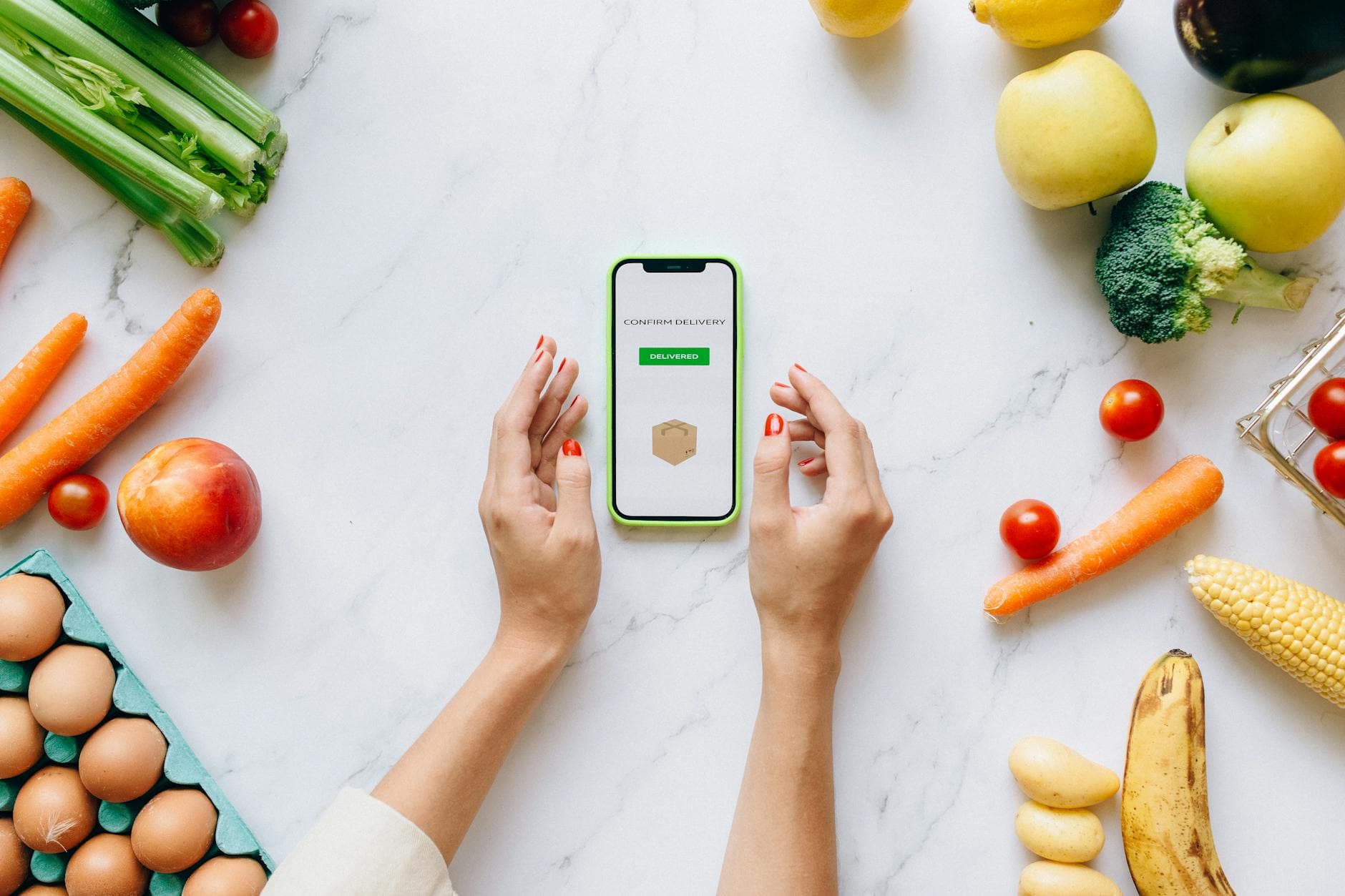
Online grocery is no longer a side lane in the grocery business. FMI and NielsenIQ said e-commerce drove nearly three-quarters of total grocery dollar growth in 2025, while online sales climbed nearly 19% to an estimated $325 billion and are projected to hit $452 billion by 2028.
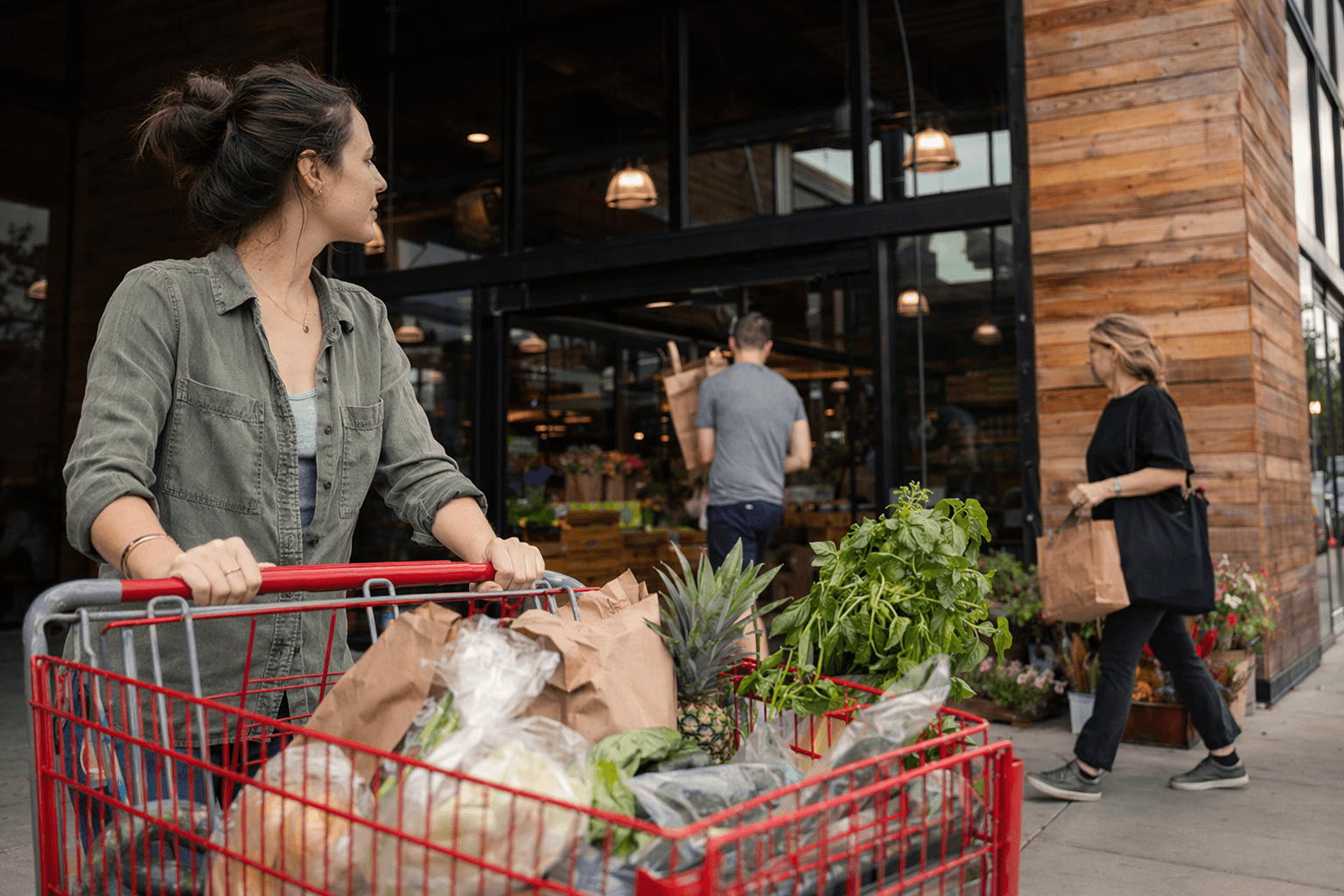
That shift matters for Trader Joe’s because the chain has made a clear choice: stay rooted in the store. Its own FAQ says it issues and accepts physical gift cards only in physical stores, a small detail that says a lot about how the business still thinks about shopping, payment and customer relationships. Even as Instacart markets same-day delivery of Trader Joe’s products in some areas, the company itself is still selling a neighborhood-store experience, not a digital grocery platform.
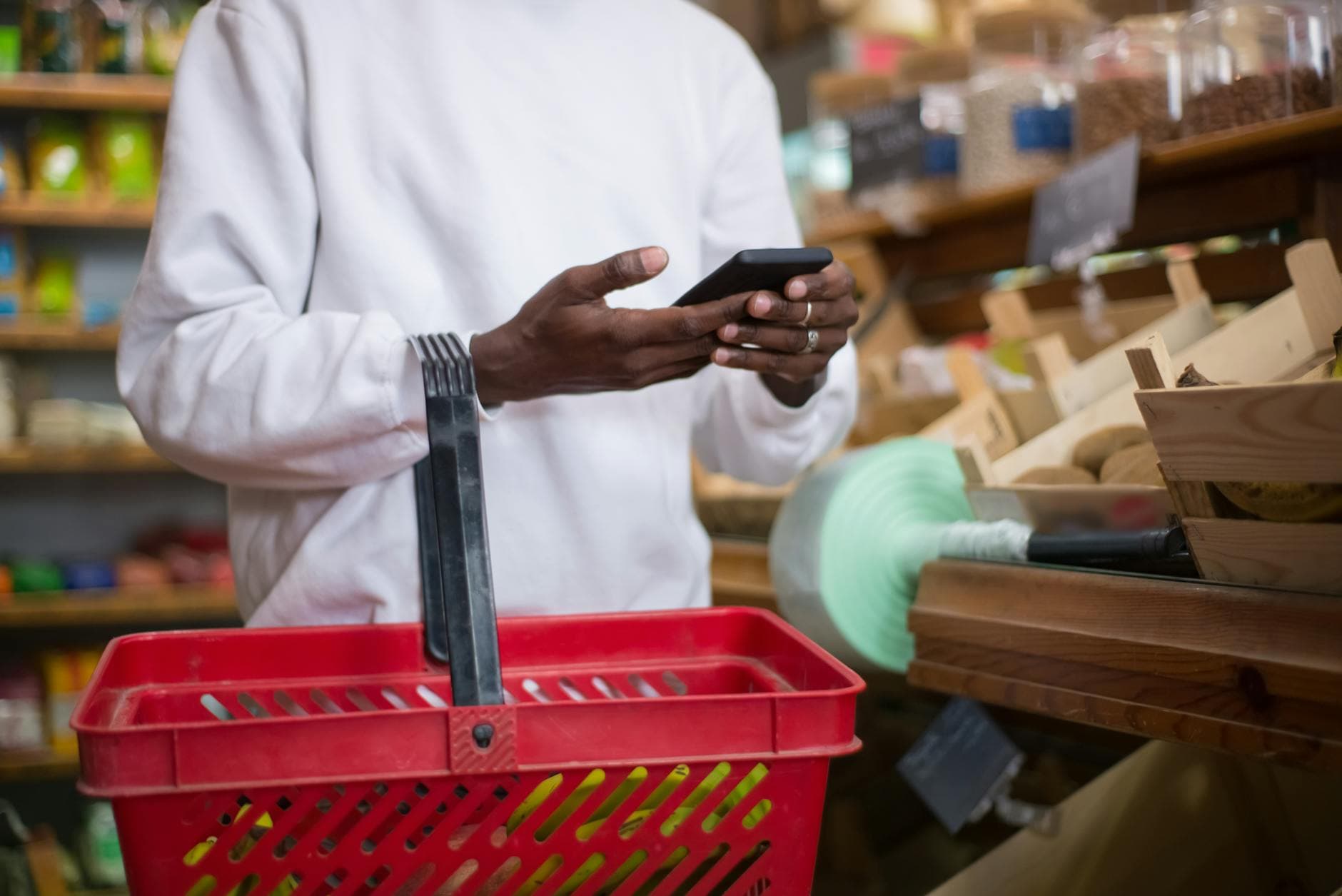
The broader market is teaching customers to expect both. FMI and NielsenIQ said 94% of shoppers who bought groceries last year used both online and in-store channels, which makes omnichannel behavior the norm rather than a niche. The report also said online baskets are usually small, often one to three items, and that shelf-stable and nonfood categories still dominate digital grocery spending, even though food items grew the fastest last year. For a chain built on curated shelves, prepared foods and crew recommendations, that is not just an industry trend. It is a reminder that convenience now shapes how shoppers judge every trip, whether they are clicking or walking in.
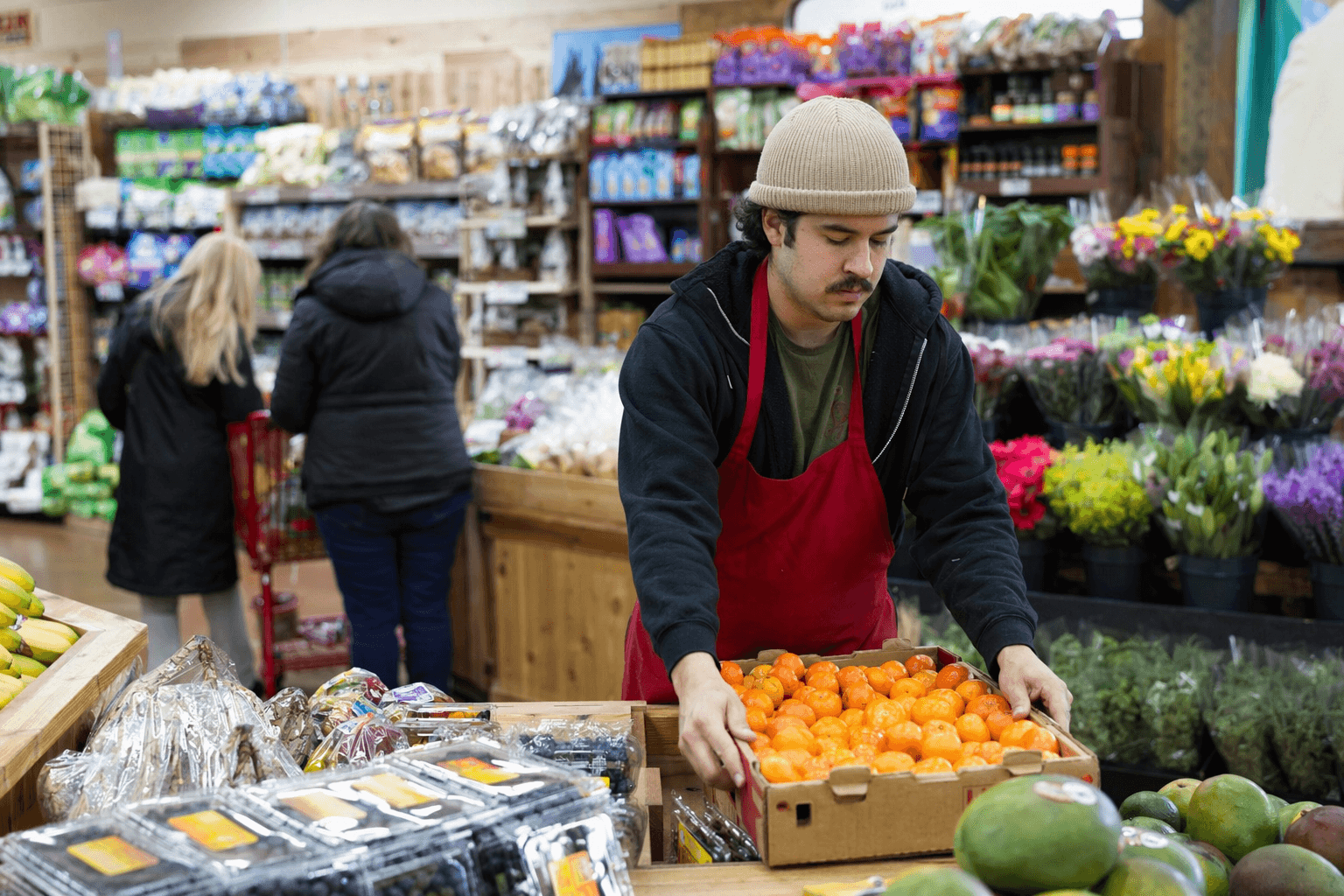
Trader Joe’s has kept expanding the old-fashioned way. Grocery Dive reported the chain opened more than 30 stores in 2024, triple the prior year’s additions, and Progressive Grocer said Trader Joe’s opened 34 stores that year while planning to add dozens more over the next 12 months. That physical growth gives the chain room to argue that the store itself is still the point, and still the brand. It also means the pressure lands on crews, who now have to deliver the fast, friendly, highly specific experience shoppers expect in person at a time when digital convenience is rewiring what counts as fast.
That is the tension inside Trader Joe’s model. The company can still look differentiated because it does what digital grocers do not: it turns the trip into the product. But as online grocery keeps taking a larger share of spending, and as rivals train shoppers to expect speed first, Trader Joe’s will have to prove that in-store charm can keep pace with a market that is changing the definition of convenience.
Know something we missed? Have a correction or additional information?
Submit a Tip