Dollar Tree opens huge Arizona warehouse, spotlighting retail supply chains
Dollar Tree’s new 1.25-million-square-foot Arizona hub will add 400 jobs and feed 700 stores, a sharp sign that grocery supply chains are getting bigger and tighter.
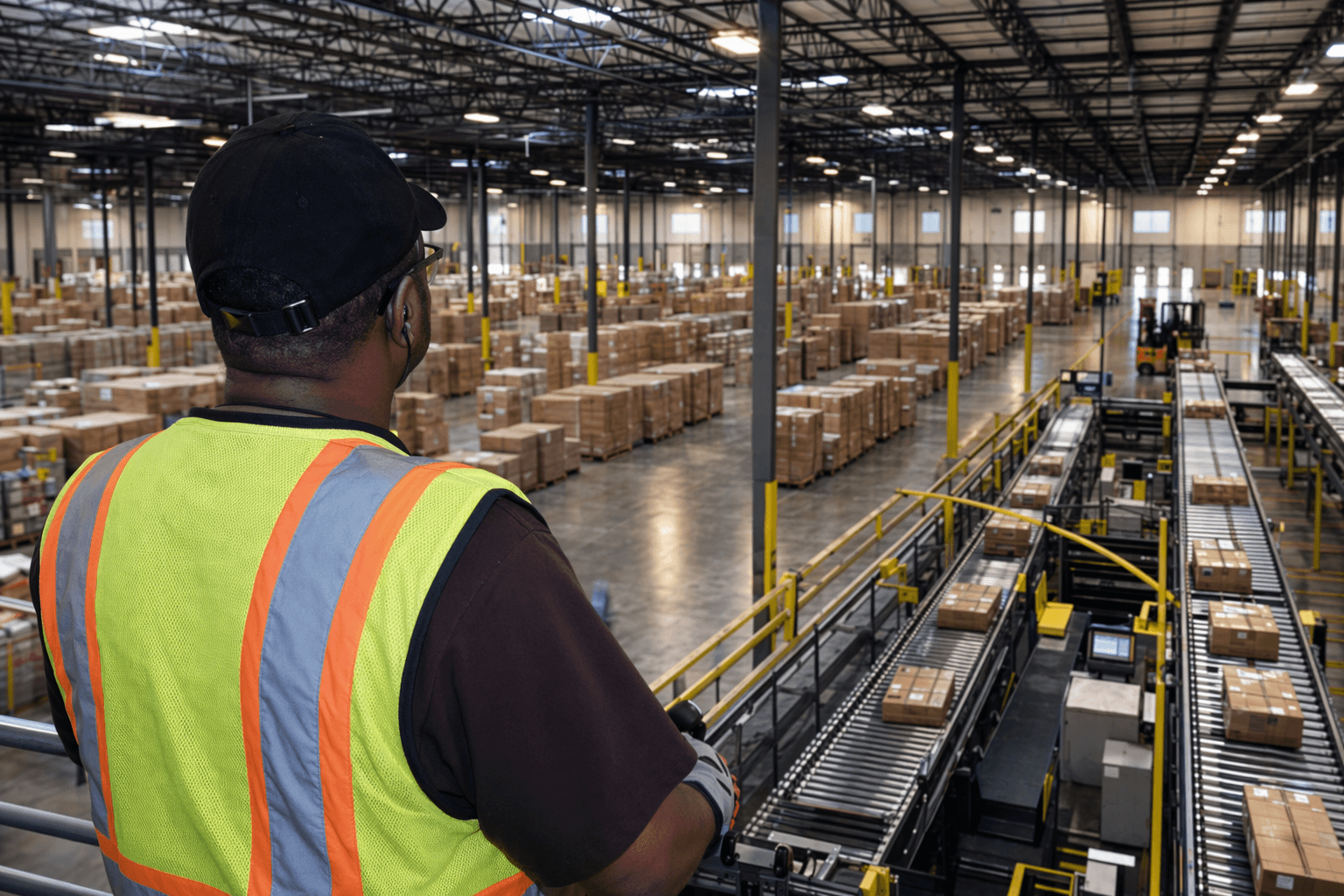
Dollar Tree has turned on a warehouse in Litchfield Park, Arizona, that shows how much retail work now starts miles away from the sales floor. The climate-controlled facility spans 1.25 million square feet, is among the company’s largest, and is expected to create nearly 400 jobs as it begins outbound deliveries to roughly 700 stores across Arizona, Colorado, Nevada, New Mexico and Utah.
For Trader Joe’s crew, the immediate takeaway is not about Dollar Tree’s assortment. It is about what this kind of investment does to the work that customers never see: faster replenishment, tighter inventory control and less room for backroom mistakes. When a chain pours money into distribution, it is betting that speed to shelf matters as much as price, and that bet tends to show up later in store labor, truck timing and the pressure to keep product moving cleanly through the building.
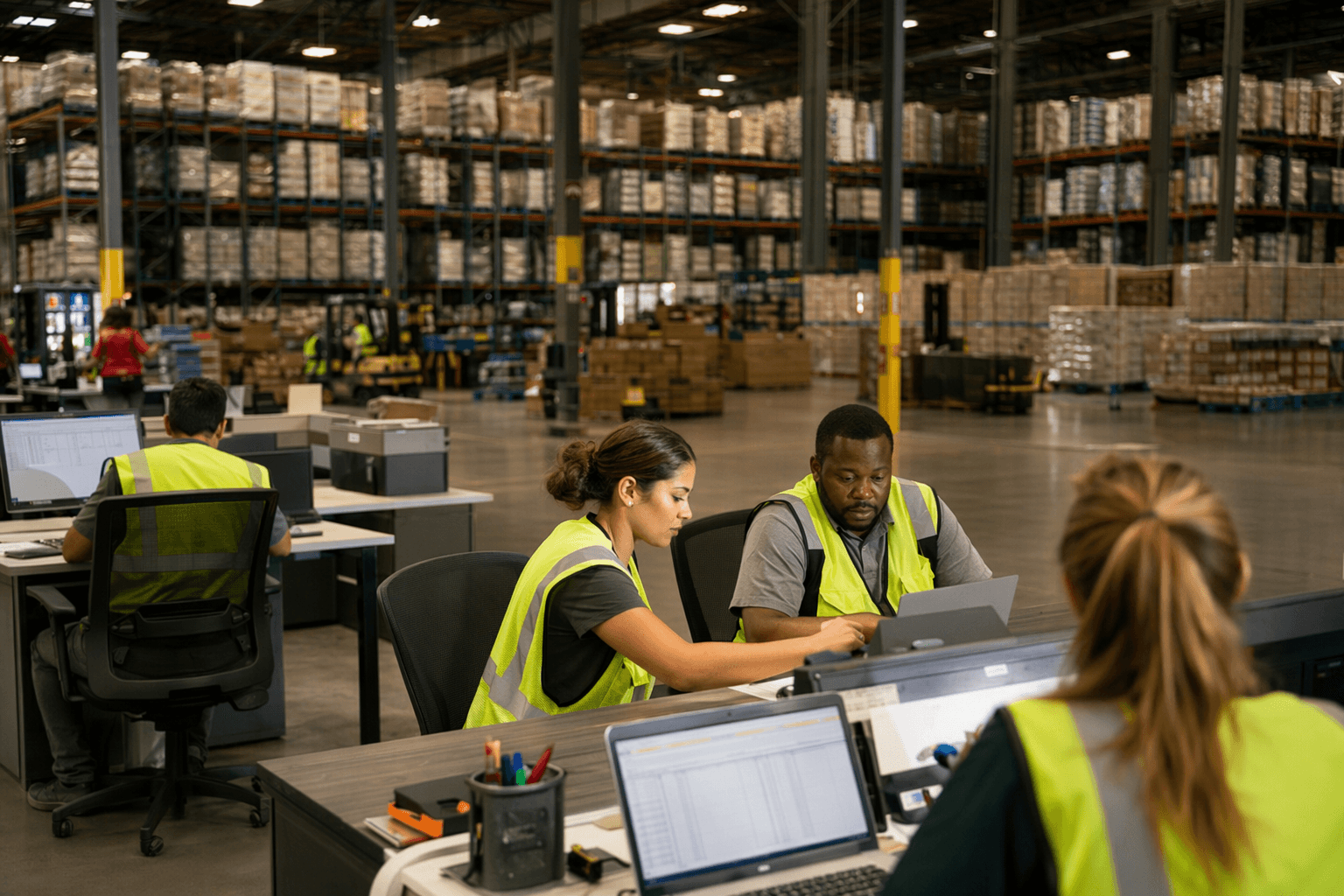
That matters in the Southwest, where retailers are competing for the same warehouse labor, transportation capacity and real estate. Dollar Tree said the Arizona site was designed to strengthen supply-chain speed and efficiency in the region, and it is also planning another distribution center in Marietta, Oklahoma, next year. Taken together, those moves point to a broader arms race in logistics staffing, one that can create non-store jobs in places like Phoenix while also raising the bar for what regional supply chains are expected to do.
Trader Joe’s has built its own business around a lean support model. The company says its office crew in Monrovia, California, and Boston, Massachusetts, is very small and focused on supporting stores, even as the chain now lists more than 600 stores nationwide. Outside reporting has described Trader Joe’s as operating about a dozen strategically located distribution centers, and the company announced in 2024 that it was building a 1-million-square-foot food assembly and distribution center in Palmdale, California, that is expected to employ 800 to 1,000 workers. That is the same basic logic Dollar Tree is now scaling in Arizona: more square footage, more automation and more pressure to keep shelves full.
The labor side is not abstract. Trader Joe’s United says organizing began in 2022, and that worker push has framed staffing and management issues in direct terms. In a retail system where freshness, in-stock reliability and waste reduction are all tied to logistics, warehouse investment can shape store expectations as much as pay policies do. Trader Joe’s also says it donates 100% of unsold products that remain fit to be enjoyed through Neighborhood Shares, which makes the supply chain’s accuracy and timing part of the company’s frontline culture, not just an operations metric.
Know something we missed? Have a correction or additional information?
Submit a Tip