Grocery prices climb, putting Trader Joe's value pitch to the test
Grocery prices climbed 0.7% in April, and Trader Joe’s crews are the ones explaining why eggs, produce and other staples still feel expensive.
A 0.7 percent jump in grocery prices in April put fresh pressure on the conversation Trader Joe’s crews have every day: why the basket costs more, what still counts as a bargain, and how far the chain’s value pitch can stretch when shoppers are watching every total.
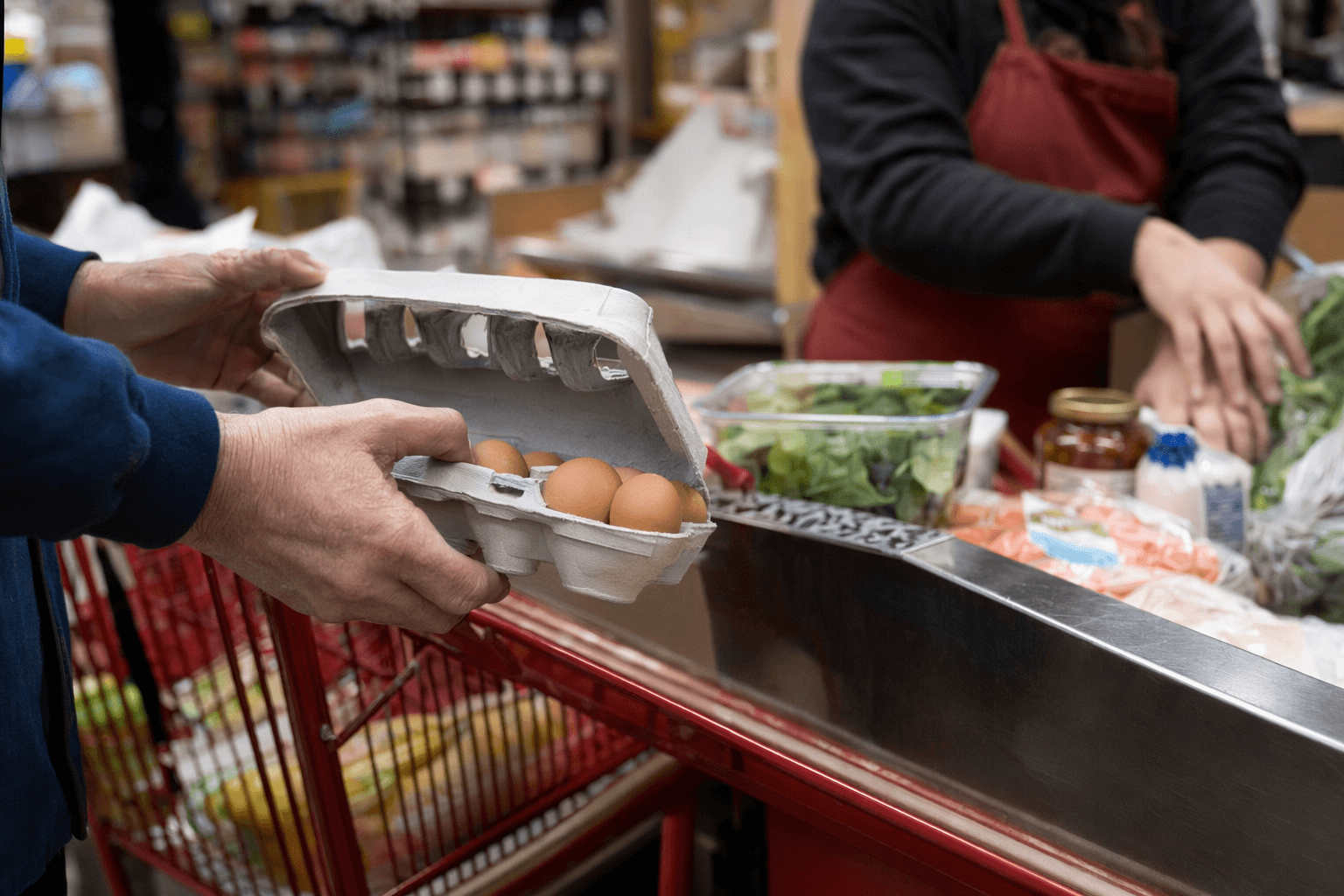
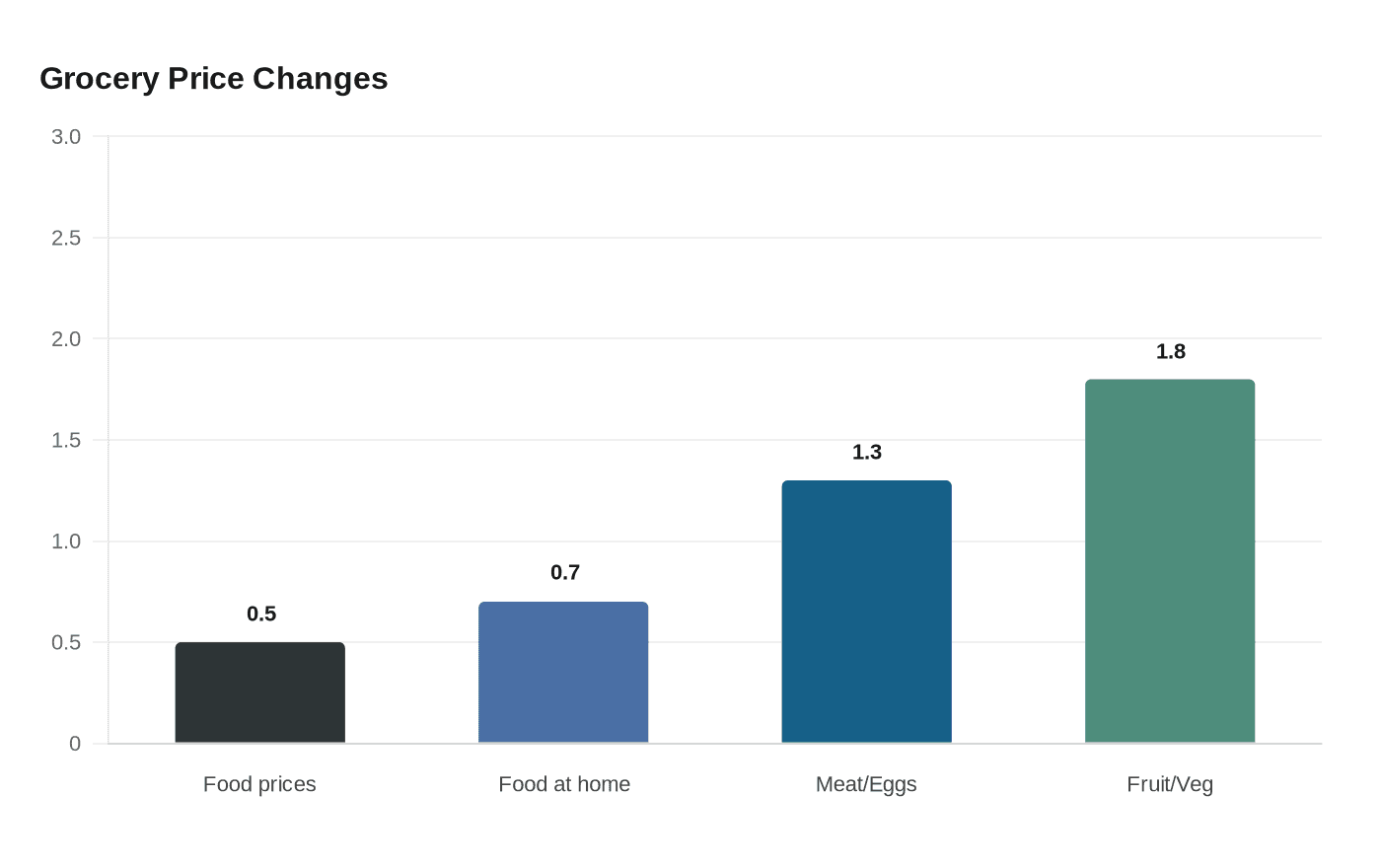
The Bureau of Labor Statistics said food prices rose 0.5 percent in April, while food at home, the grocery category, rose 0.7 percent for the month. Over the past 12 months, food at home increased 2.9 percent. Two of the categories most likely to trigger questions on the sales floor moved higher too: meats, poultry, fish and eggs rose 1.3 percent in April, and fruits and vegetables rose 1.8 percent. For Trader Joe’s, that means more of the pressure lands on the register line and in the aisles, where customers want a quick answer about why a chain built on value still feels pricier than it did a few months ago.
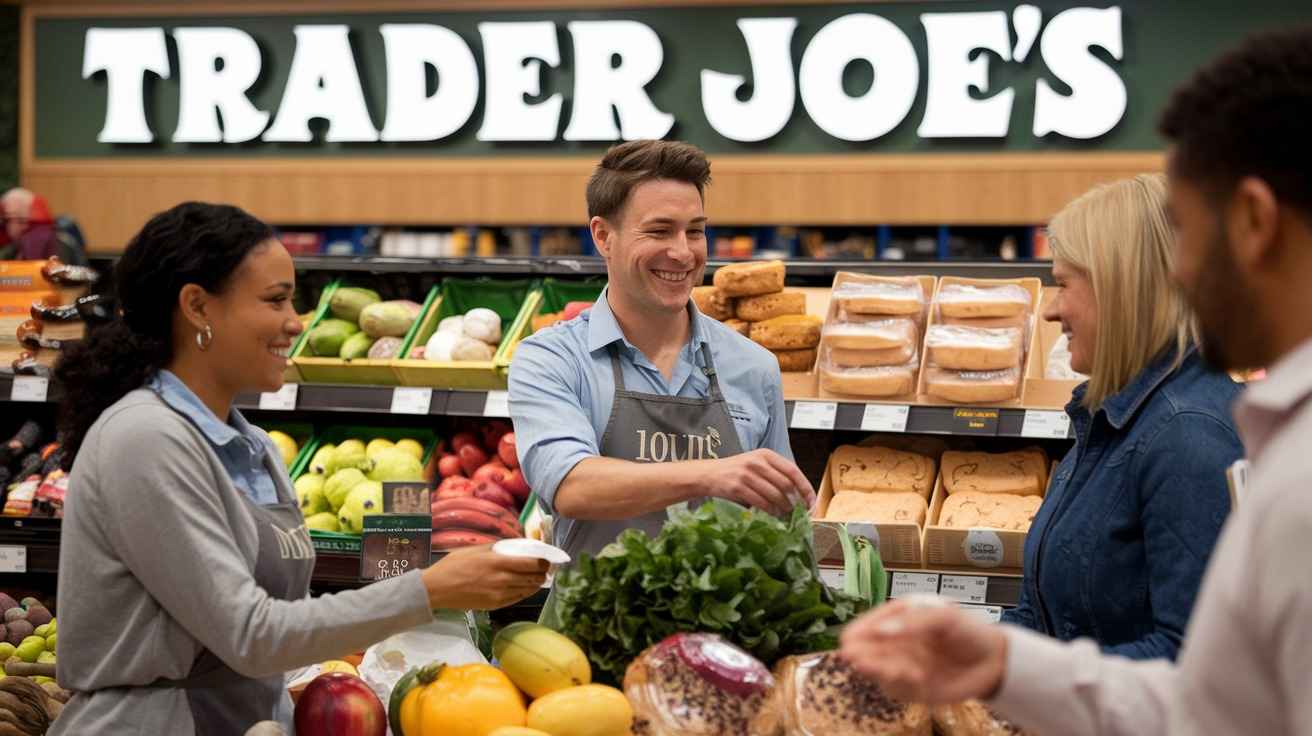
That scrutiny matters because Trader Joe’s has spent years defining value in a very specific way. The company says it does not run sales, issue coupons, or use loyalty or membership cards, and that it buys direct from suppliers whenever possible to keep prices steady. Its FAQ says private-label products are meant to deliver “great quality fare for exceptional, everyday prices.” The store’s pitch is not about promotions or app-based discounts. It is about whether a curated basket, with products the company says are extraordinary, still beats a conventional supermarket trip when inflation pushes up the rest of the grocery cart.
The chain’s model is unusually narrow, which makes the test sharper. Trader Joe’s current catalog lists 2,716 products, all under its own label, and the company says it was established in 1967 in Pasadena, California. It also leans heavily on its Neighborhood Shares program, donating 100 percent of unsold products that remain fit to be enjoyed. Nearly 80 percent of those donations are produce, entrees, bakery items, proteins, dairy and eggs, the same core categories that tend to draw the most attention when prices rise.
For workers, the value story is not separate from pay and conditions. Trader Joe’s says crew members can receive up to a 20 percent discount, and eligible workers can get medical, dental and vision coverage with contributions as low as $25 a month, along with paid time off that increases with tenure. That backdrop sits beside Trader Joe’s United, the independent union founded and led by crew members, and the unresolved fight in Hadley, Massachusetts, where the company’s first unionized workers were still without a contract more than two years after voting to organize. As grocery prices keep climbing, Trader Joe’s crews are left to defend a brand promise that depends as much on frontline labor as it does on the price of eggs, produce and milk.
Know something we missed? Have a correction or additional information?
Submit a Tip