Retail hiring heats up, boosting Trader Joe's retention pressure
Retail added nearly 22,000 jobs in April, putting Trader Joe’s retention, pay, and schedule fairness under more pressure as hiring stays hot.
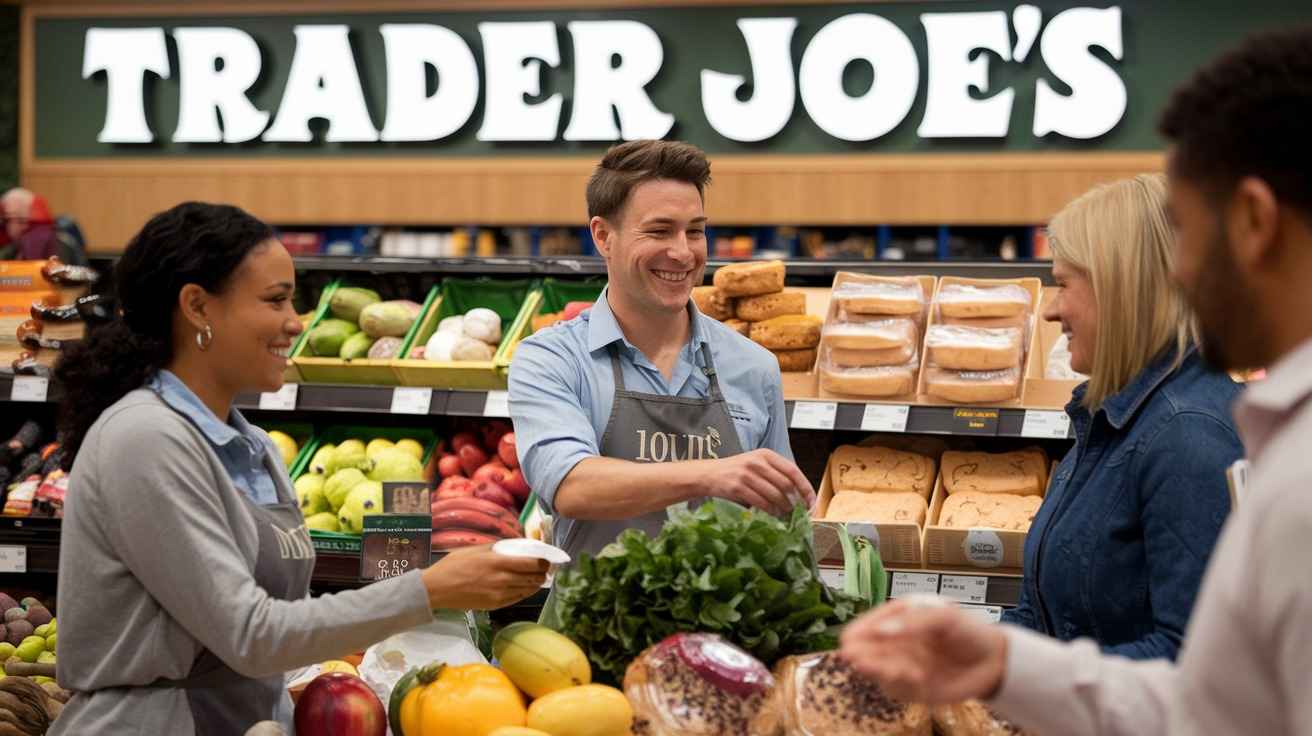
Retail trade added nearly 22,000 jobs in April, accounting for almost one-fifth of all employment growth and signaling that frontline hiring pressure is still very real for Trader Joe’s crews and managers. The broader labor market added 115,000 nonfarm payrolls, but retail stood out as one of the main sources of gains, a reminder that grocery and general merchandise employers are still competing hard for the same workers.
That matters inside Trader Joe’s because the chain has long leaned on culture, above-market pay, and a tight crew identity to hold onto workers. When the market is absorbing so many retail hires at once, those advantages stop sounding like brand talking points and start functioning as retention tools. A strong store culture can help, but it has to be matched by practical basics: stable schedules, fair shift assignments, and enough room for internal movement that crew members do not start looking elsewhere.

The April report also showed the retail industry supporting roughly 15.5 million workers, the most since July 2024. Warehouse clubs and supercenters were among the strongest contributors to the latest hiring surge, which is the kind of detail Trader Joe’s managers should read as competitive pressure, not background noise. Those chains often sit in the same labor pools as Trader Joe’s stores, especially in dense metro areas where experienced cashiers, stockers, and shift leads can move quickly between employers for a better offer or a steadier schedule.
For crew members, a hot retail labor market can cut both ways. It can speed up offers from competing stores and give workers more leverage when asking for better hours, more predictable schedules, or a clearer path to promotion. It can also make it harder for managers to keep understaffed shifts from becoming routine, which raises the value of cross-training and internal mobility. When other employers are still hiring aggressively, the crew member who can stock, run register, and close cleanly becomes more valuable, and that can show up in how managers handle raises, availability, and scheduling preferences.

The bigger takeaway for Trader Joe’s is that labor market tightness has not gone away. Retail is still hiring, the strongest players are still pulling workers in, and crew retention now depends on more than a good reputation. In stores that already pride themselves on above-market pay and close-knit teams, the next test is whether those strengths still hold when other retailers are offering the same workers more options.
This article was produced by Prism’s automated news system from verified source data, official records, and press releases, then run through automated quality and moderation checks before publishing. The system is built and supervised by the people who set the standards it runs under. Read our full AI policy.
Did this article answer your question?