FMI report shows in-store experience still drives grocery loyalty
FMI says shoppers still prize the store trip, and Trader Joe’s advantage depends on speed, hospitality, and clear merchandising on the floor.

Trader Joe’s managers do not need another theory lesson about loyalty. FMI’s 2026 U.S. Grocery Shopper Trends report says shoppers continue to value grocery shopping in-store more than ever, even as they expect many of the conveniences they have grown used to online. The bigger warning for crews is that consumers visit more than five separate grocery banners on average each month, which means the chain is competing in a multi-stop world where every trip has to earn its next repeat.
The report, developed with The Hartman Group and fielded February 4-18, 2026, was built from a nationally representative survey of 2,023 respondents, plus online ethnographic research and interviews. FMI said the 66-page report includes a Grocery Shopper Sentiment Index, and its core finding is plain: shoppers still find meaning in the in-store grocery experience. FMI said in-person shopping gives consumers greater control, confidence, and efficiency, especially when they are buying perishables such as produce and meat, while also serving a social role tied to household care, food culture, and shared experiences.
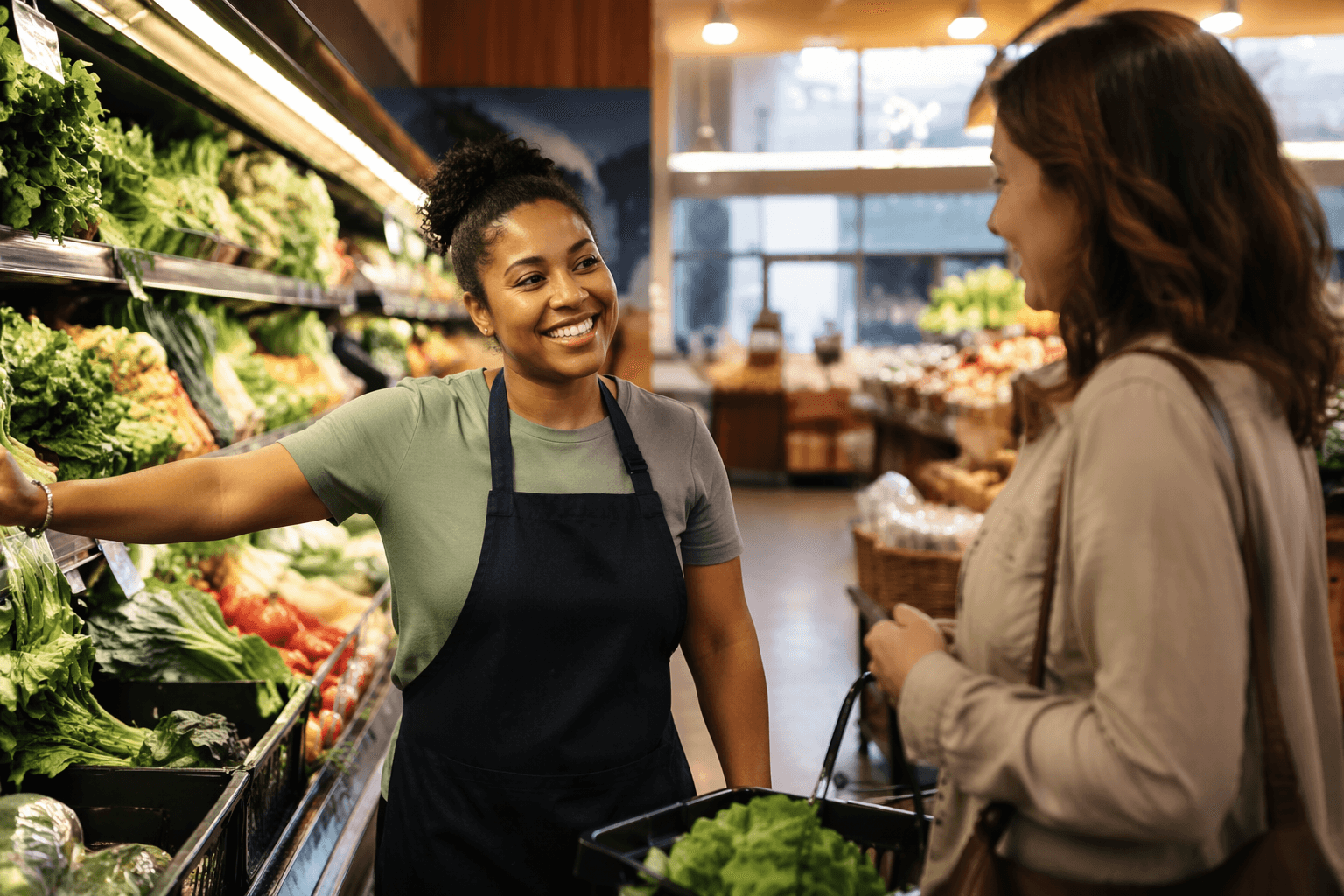
That is the part Trader Joe’s managers should protect right now. The company still says it is a fan of the neighborhood grocery store, and its FAQ says it has no official online grocery ordering or delivery platform. It also issues and accepts physical gift cards only in its physical stores. That makes the store floor the brand, not just a channel. If shoppers are comparing several banners a month, the stores that feel friendly, fast, distinctive, and useful are the ones most likely to keep the basket.
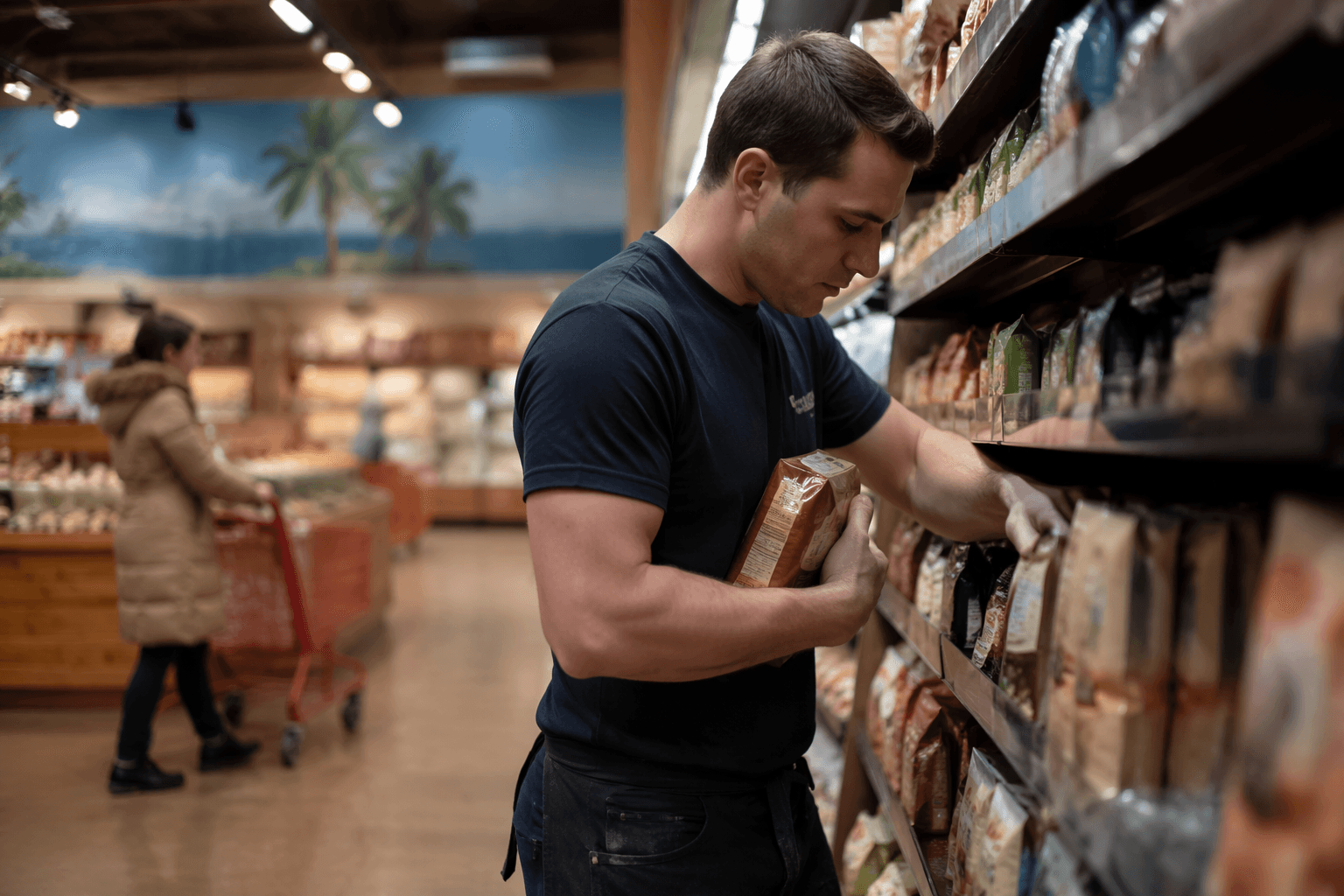
The practical priorities are not abstract. Staffing has to support quick help and short waits. Speed matters at the register and in the aisles. Merchandising has to make the assortment easy to read so customers can move with confidence. Crew interaction still carries outsized weight because the chain sells discovery as much as groceries, and FMI’s findings suggest that kind of experience still resonates with shoppers balancing value and convenience.
Trader Joe’s numbers reinforce the point. The American Customer Satisfaction Index said on January 29, 2026, that Trader Joe’s scored 86 out of 100 and overtook Publix as the top-ranked grocer in its 2026 study, up from 84 in 2025. A 2026 location tracker counted 656 Trader Joe’s stores in the United States as of May 26, including 208 in California, while another source put the chain at 631 U.S. locations on January 15. Trade coverage also reported plans for more than 20 new stores in 2026, with one report saying 25 new stores across 14 or 15 states. The expansion only sharpens the same lesson: Trader Joe’s growth still depends on making the physical visit worth the trip.
This article was produced by Prism’s automated news system from verified source data, official records, and press releases, then run through automated quality and moderation checks before publishing. The system is built and supervised by the people who set the standards it runs under. Read our full AI policy.
Did this article answer your question?