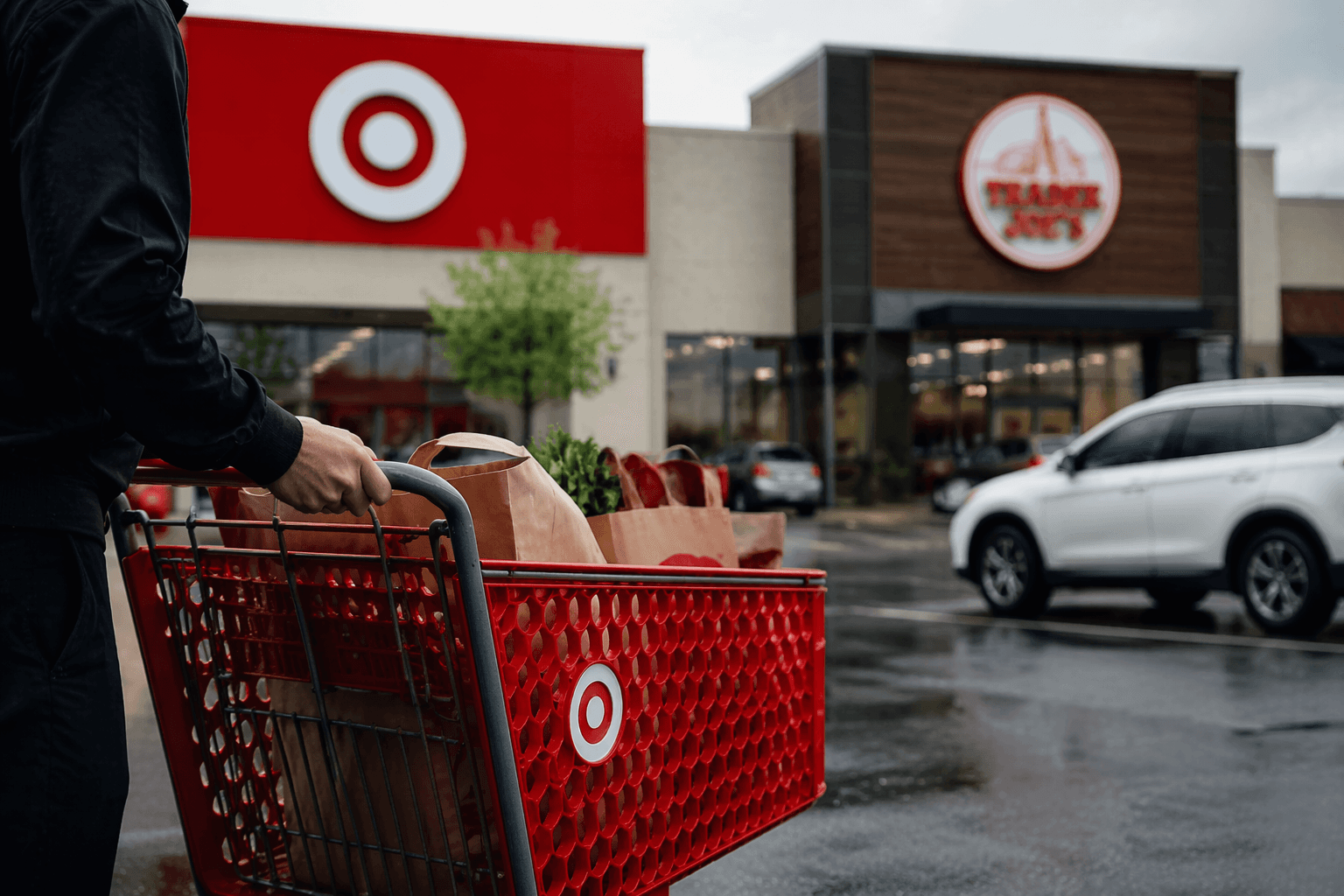
Fuel spikes push shoppers toward value, raising pressure on Trader Joe’s
Higher gas prices are steering shoppers toward wholesale clubs, and Trader Joe’s now has to prove every neighborhood trip is worth the drive.
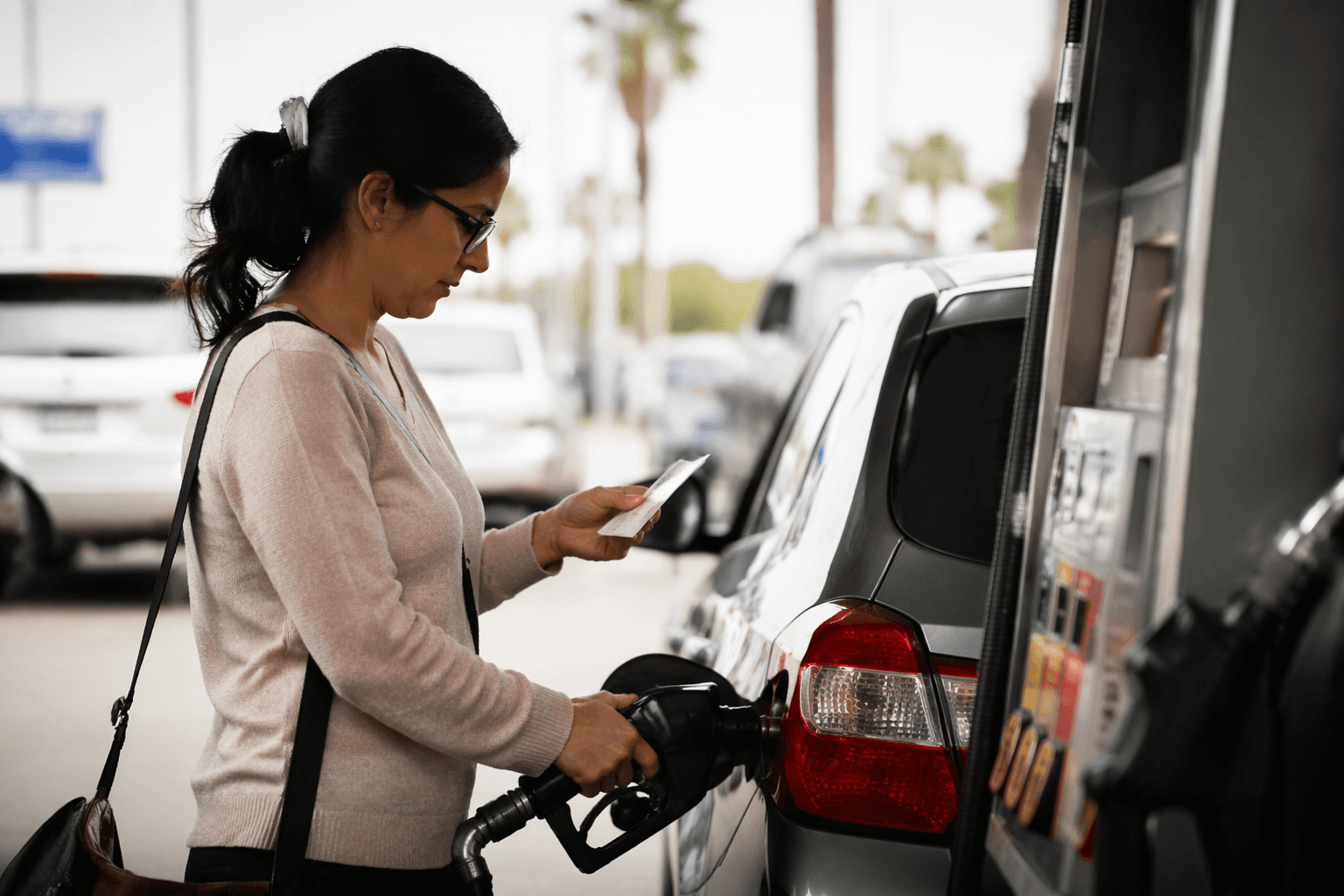
Rising fuel costs are changing grocery loyalty faster than many stores expect. At the CSP Foodservice Forum in Schaumburg, Illinois, on June 12, Placer.ai’s R.J. Hottovy said wholesale clubs are seen as offering “the best value out there,” a perception that helps explain why shoppers start rerouting errands when household budgets tighten.
Placer.ai said visits to BJ’s Gas, Costco Gas and Sam’s Club Fuel accelerated in early March 2026 as fuel prices rose amid the Iran war. The company’s foot-traffic work also tracked the middle-income consumer’s “summer 2025 breaking point” and cross-shopping trends, showing that households did not stop spending so much as become more selective about where the money went and how many stops a trip was worth. Placer.ai said consumers initially stayed resilient when gas prices began climbing, with discretionary retail and gas station visits near or above prior-year levels, before value sensitivity became more pronounced.
That shift matters for Trader Joe’s, which describes itself as a national chain of neighborhood grocery stores committed to providing outstanding value in the form of the best quality products at the best everyday prices. The chain said it opened 34 new stores in 2024, and public store-directory data put Trader Joe’s at about 656 U.S. locations as of June 15, 2026. That footprint depends on convenient, local trips, not destination shopping, which makes gasoline a hidden part of the value equation for crew members trying to win repeat business.
Trader Joe’s has already leaned into that message. Its Customer Choice Awards winners, published on January 26, 2026, were framed as “Victors of Value,” a sign the company is actively trying to own the idea that price and quality can still coexist. For store teams, the practical pressure is straightforward: a shopper facing higher fuel costs is likelier to consolidate errands, compare unit prices more closely and look for baskets that feel affordable without a long receipt.
That makes trip efficiency as important as product curation. Shoppers may still spend on a few fresh or premium items, but they are less likely to reward waste, friction or a store trip that feels optional. For Trader Joe’s, the test is whether the assortment, pricing and crew experience make the drive feel justified even when the gas tank is already expensive.
This article was produced by Prism’s automated news system from verified source data, official records, and press releases, then run through automated quality and moderation checks before publishing. The system is built and supervised by the people who set the standards it runs under. Read our full AI policy.
Know something we missed? Have a correction or additional information?
Submit a Tip