Target expansion raises the competitive bar for Trader Joe's stores
Target plans 11 July store openings while Trader Joe’s keeps adding locations, sharpening the fight for shoppers, staff and traffic in shared trade areas.
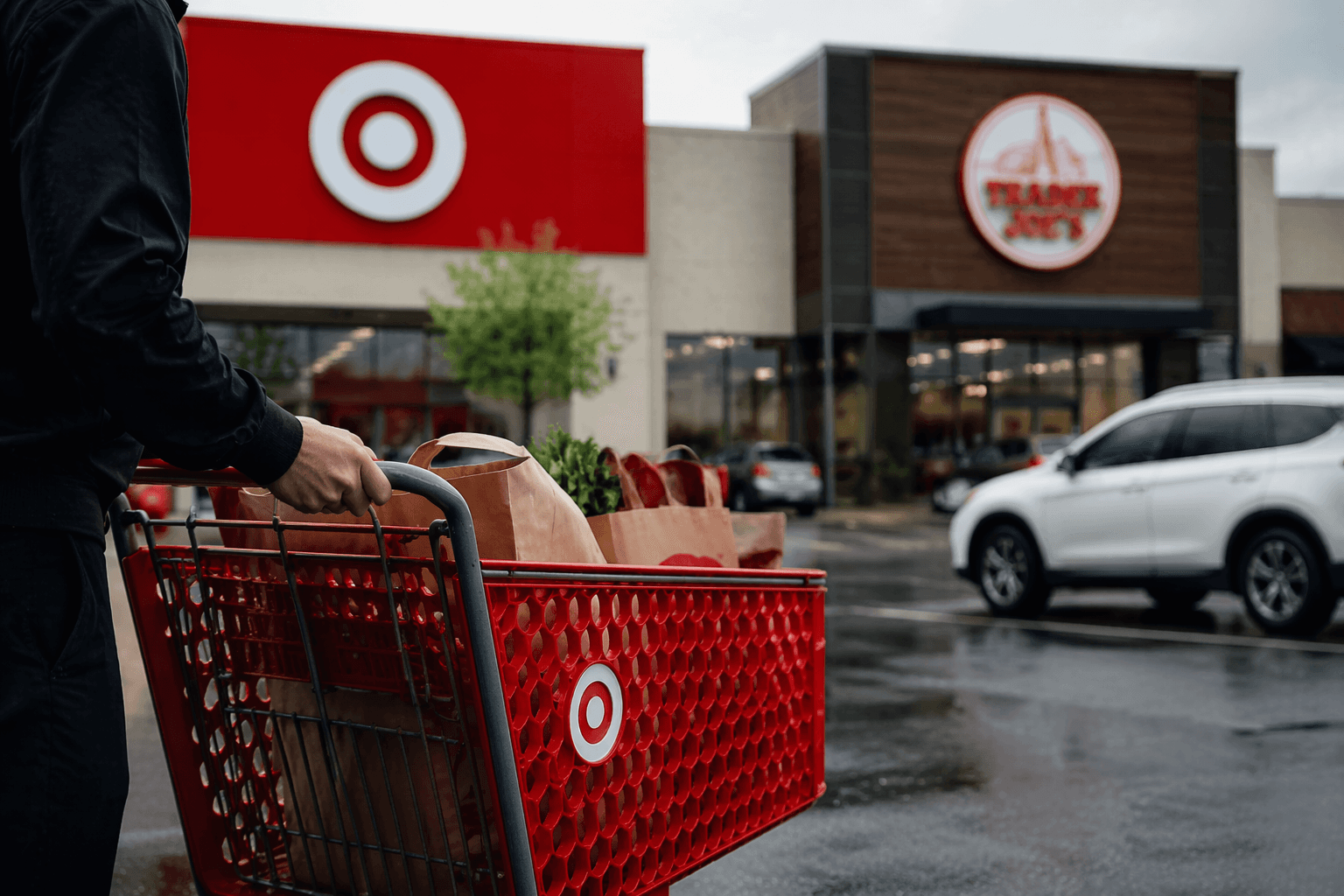
Target plans to open 11 stores in July, a sign its expansion is still moving quickly as it pushes toward more than 30 new stores in 2026. The chain’s $5 billion capital plan, along with 130 remodels this year and a long-range goal of more than 300 stores by 2035, raises the competitive stakes for Trader Joe’s stores that live off the same local trips, the same household baskets and, in some markets, the same labor pool.
For Trader Joe’s crew members and managers, that kind of growth matters at the store level. Target is not a grocery-only rival, but its stores pull shoppers who want one-stop convenience and a quick in-and-out experience. That puts pressure on the parts of Trader Joe’s model that are hardest to copy: the pace at checkout, the product curation, and the crew recommendations that turn a routine grocery run into something shoppers notice.
Trader Joe’s is expanding in that same environment. In a December 30, 2024 company post, it said it opened 34 new stores in 2024. Trade reporting cited in 2026 coverage put the number at 43 stores opened in 2025, and the company has told trade outlets it plans to open more than 20 stores in 2026. Grocery Dive reported that Trader Joe’s had already opened two stores and announced 17 more in development. The store finder shows the chain now operates in 42 states and the District of Columbia, while its About Us page describes Trader Joe’s as a national chain of neighborhood grocery stores founded in 1967.
That expansion comes with labor consequences. Trader Joe’s gave all store employees a $2 wage increase effective April 4, 2024, a move that helps explain how tightly pay, retention and store standards are connected. Trader Joe’s United describes itself as an independent labor union founded and powered by Trader Joe’s workers, which adds another layer of pressure to hiring and workplace stability as the company keeps building.
Target’s growth is a reminder that store competition is not just about price tags or product assortment. In neighborhoods where both chains draw from the same traffic, the winner is often the retailer that can keep staffing steady, hold scheduling together and make the in-store experience feel worth the trip.
This article was produced by Prism’s automated news system from verified source data, official records, and press releases, then run through automated quality and moderation checks before publishing. The system is built and supervised by the people who set the standards it runs under. Read our full AI policy.
Know something we missed? Have a correction or additional information?
Submit a Tip