Grocery industry cheers refrigeration rule changes, easing costs for Trader Joe's
EPA's refrigerant rollback could trim Trader Joe's upkeep on cold cases and freezers, where a leak can scramble store labor and spoil product.
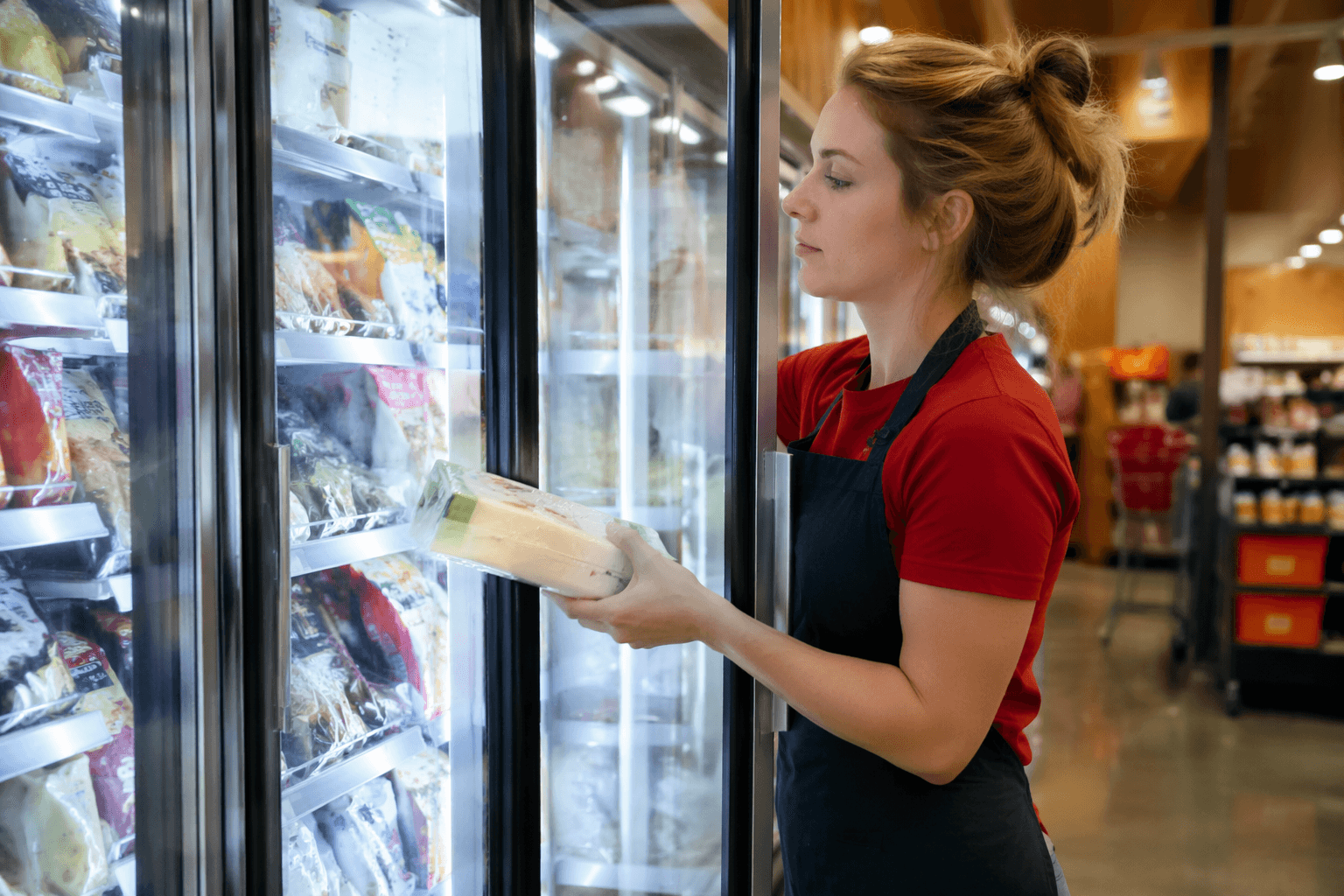
Fewer refrigerant compliance costs could matter fast inside a Trader Joe’s store, where one problem with a freezer rack or cold case can throw off product availability, labor, and customer flow. If the federal rules end up easier to meet, managers may have more room in maintenance budgets, fewer forced replacement decisions, and less pressure to rush repair work that keeps stores in compliance and on line.
The change comes out of a broader fight over hydrofluorocarbons, or HFCs, the powerful greenhouse gases used in refrigeration. The U.S. Environmental Protection Agency said in May 2026 that it was cutting or delaying some Biden-era refrigerant requirements and estimated the shift would save Americans more than $2.4 billion. That followed EPA’s 2024 Emissions Reduction and Reclamation rule, which set leak-repair requirements for appliances containing at least 15 pounds of HFC refrigerant. For grocers, the issue is not just environmental policy. It is the cost of keeping stores cold, stocked, and open without constant equipment churn.
The National Grocers Association has argued the HFC Management Rule is a back breaker for independent supermarkets operating on profit margins of just 1% to 2%. That math explains why refrigeration policy lands so directly on the sales floor. When a store depends on tight temperature control for frozen food, dairy, prepared items, and backroom storage, any rule that changes the pace or cost of upgrades can affect remodel timelines, capital spending, and whether a repair gets done in-house, outsourced, or pushed into next quarter. For Trader Joe’s, where the frozen set is a defining part of the business, refrigeration reliability is not an abstract compliance issue. It is part of the operating model.
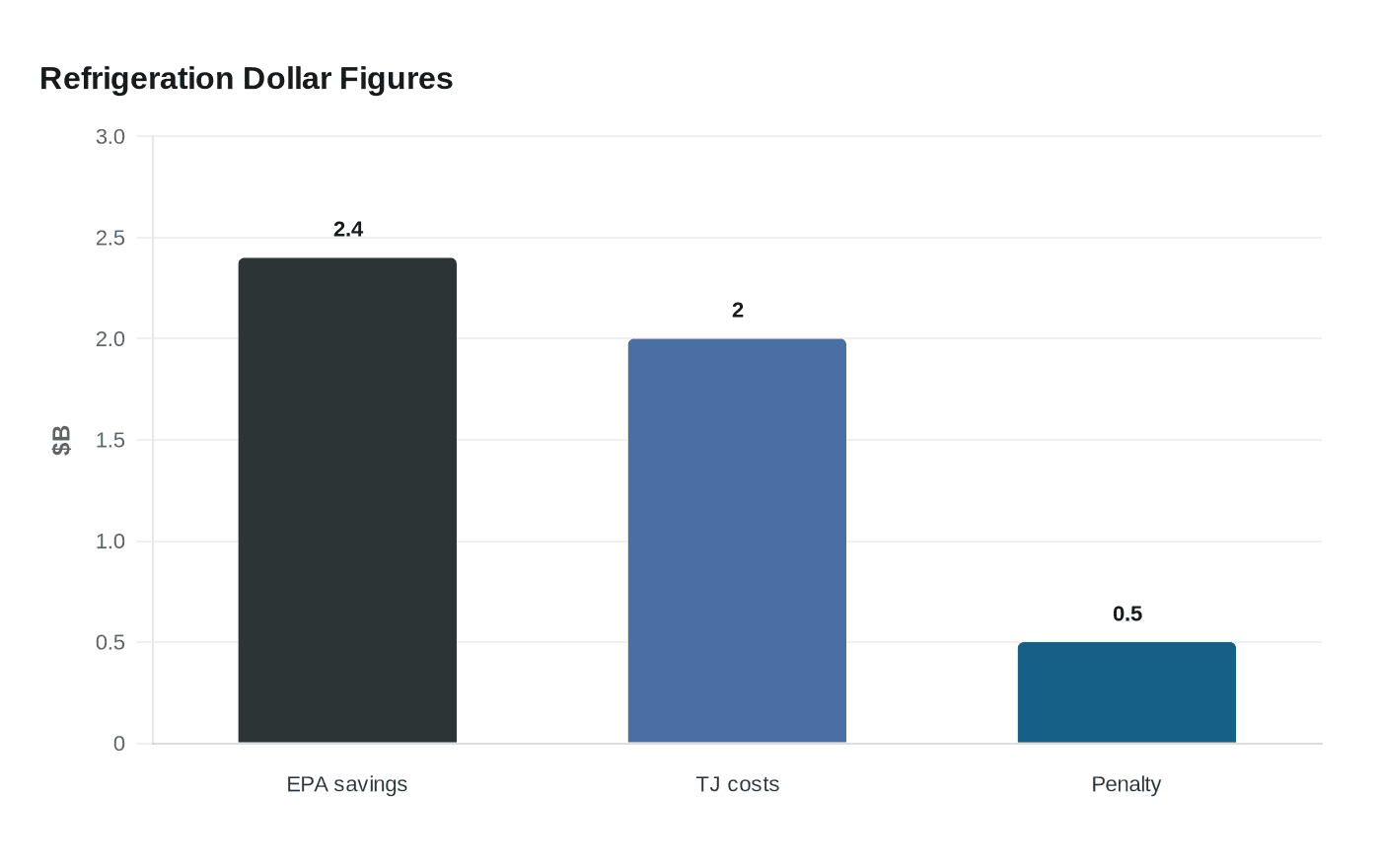
Trader Joe’s already has a history with refrigerant enforcement. In June 2016, EPA and the Justice Department said the company agreed to reduce emissions from refrigeration equipment at 453 stores, spend an estimated $2 million over three years on leak reduction and compliance, and pay a $500,000 civil penalty. More recently, Green America said Trader Joe’s announced in January 2023 that all new stores would use CO2 refrigerants, even as the Climate-Friendly Supermarkets Scorecard has kept rating the chain among the lower performers on HFC-related actions.
That tension helps explain why this policy shift matters beyond Washington. If equipment standards become less costly to meet, Trader Joe’s could face less pressure on maintenance crews and facilities teams in the near term. But any slowdown in the transition away from HFCs could also stretch out the chain’s refrigerant strategy, leaving store teams to live with aging systems longer while the industry keeps arguing over who should pay for the next generation of coolers.
This article was produced by Prism’s automated news system from verified source data, official records, and press releases, then run through automated quality and moderation checks before publishing. The system is built and supervised by the people who set the standards it runs under. Read our full AI policy.
Did this article answer your question?