Grocery Outlet’s turnaround shows how value becomes visible in stores
Grocery Outlet’s traffic turned up even with sales down, a reminder that Trader Joe’s crews now have to make value visible as well as promised.
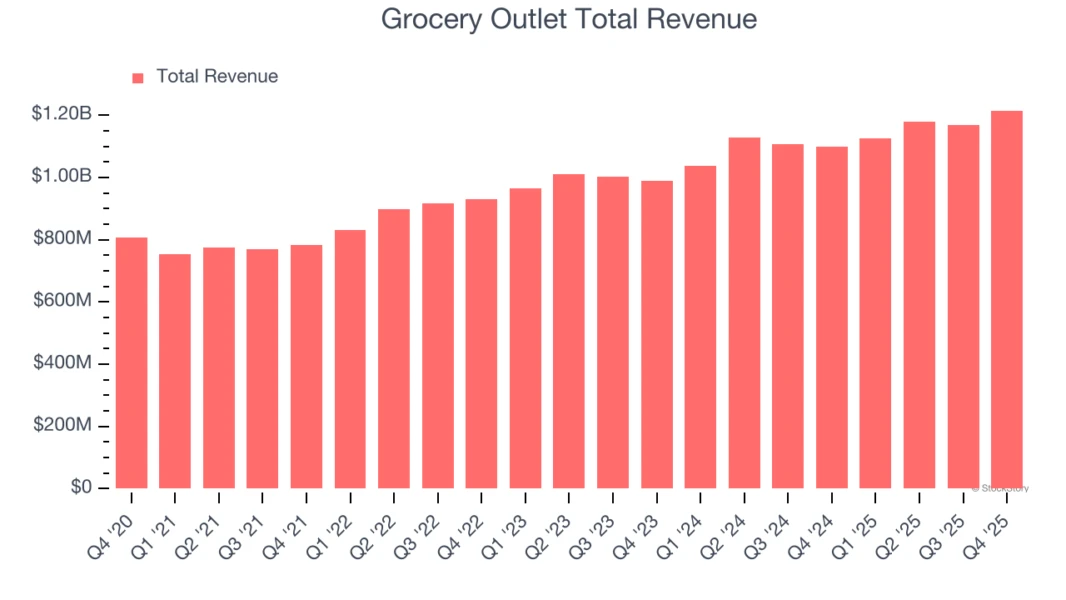
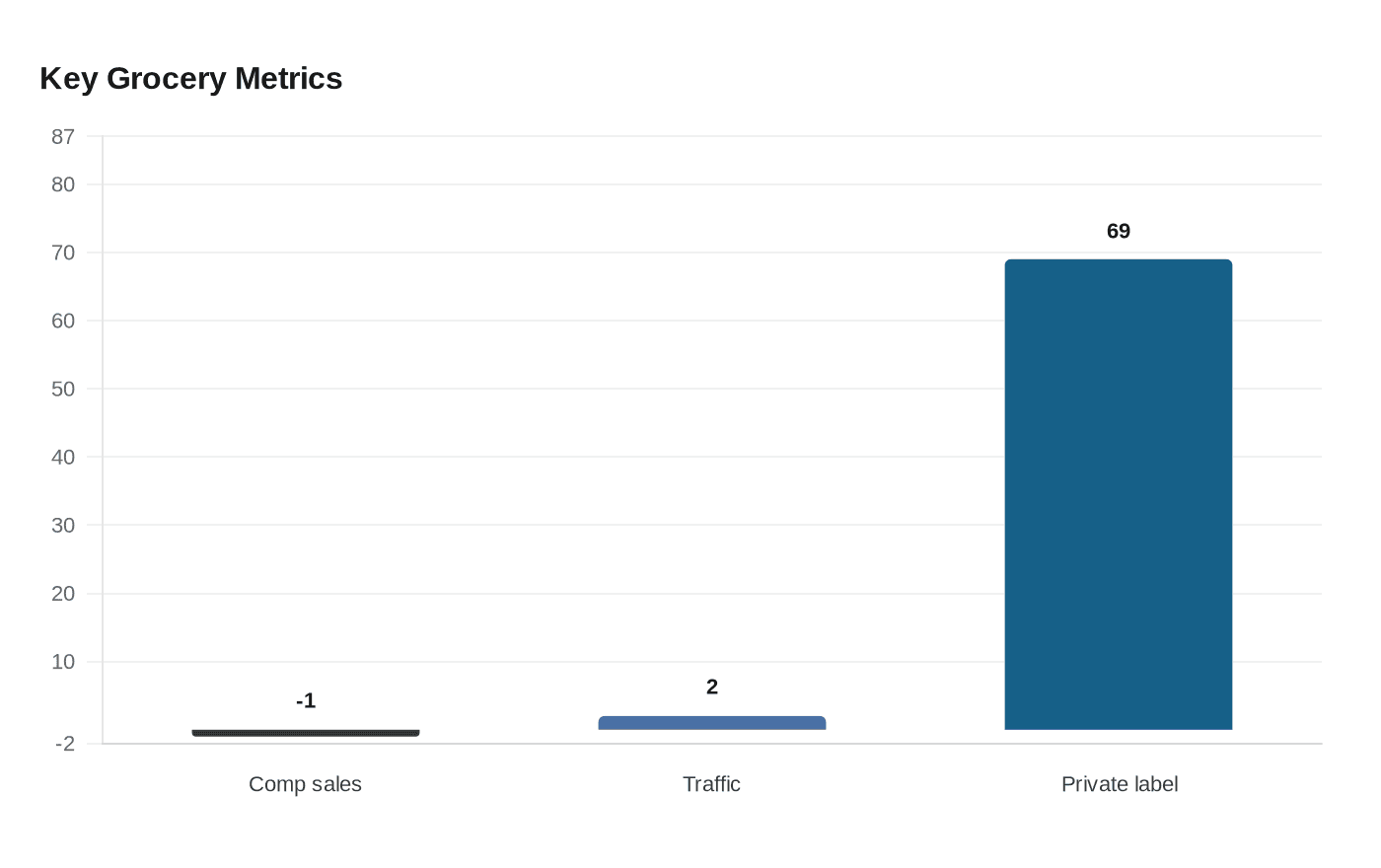
Grocery Outlet posted a mixed first quarter that still read as progress: net sales hit $1.12 billion, comparable store sales fell 1.0%, and traffic rose 2.0% for the quarter overall, with visits improving each month through March. For an Emeryville chain that has spent the spring on a business optimization plan aimed at better execution, stronger profitability and more cash flow, the message was plain, shoppers still respond when the bargain is obvious enough to see.
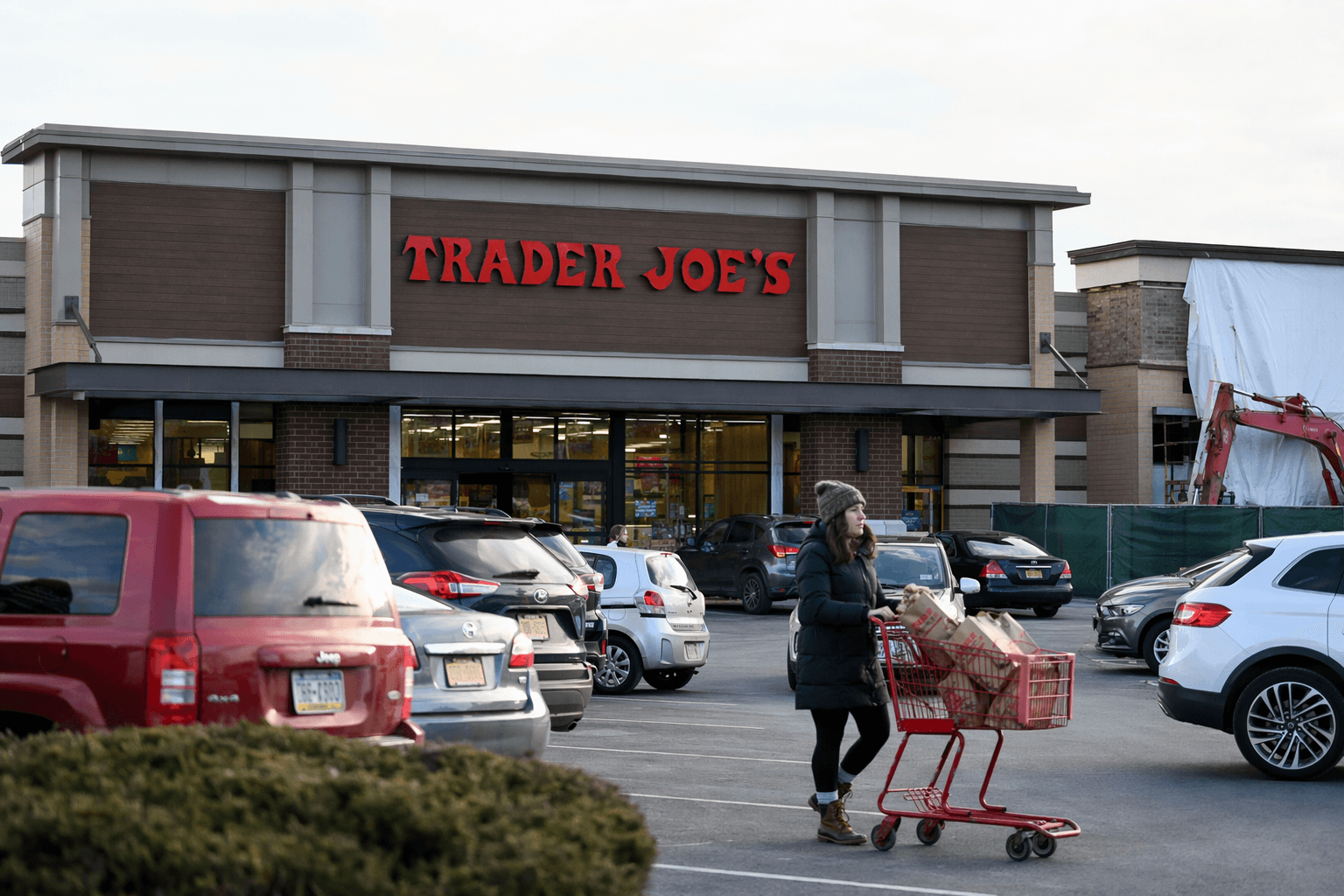
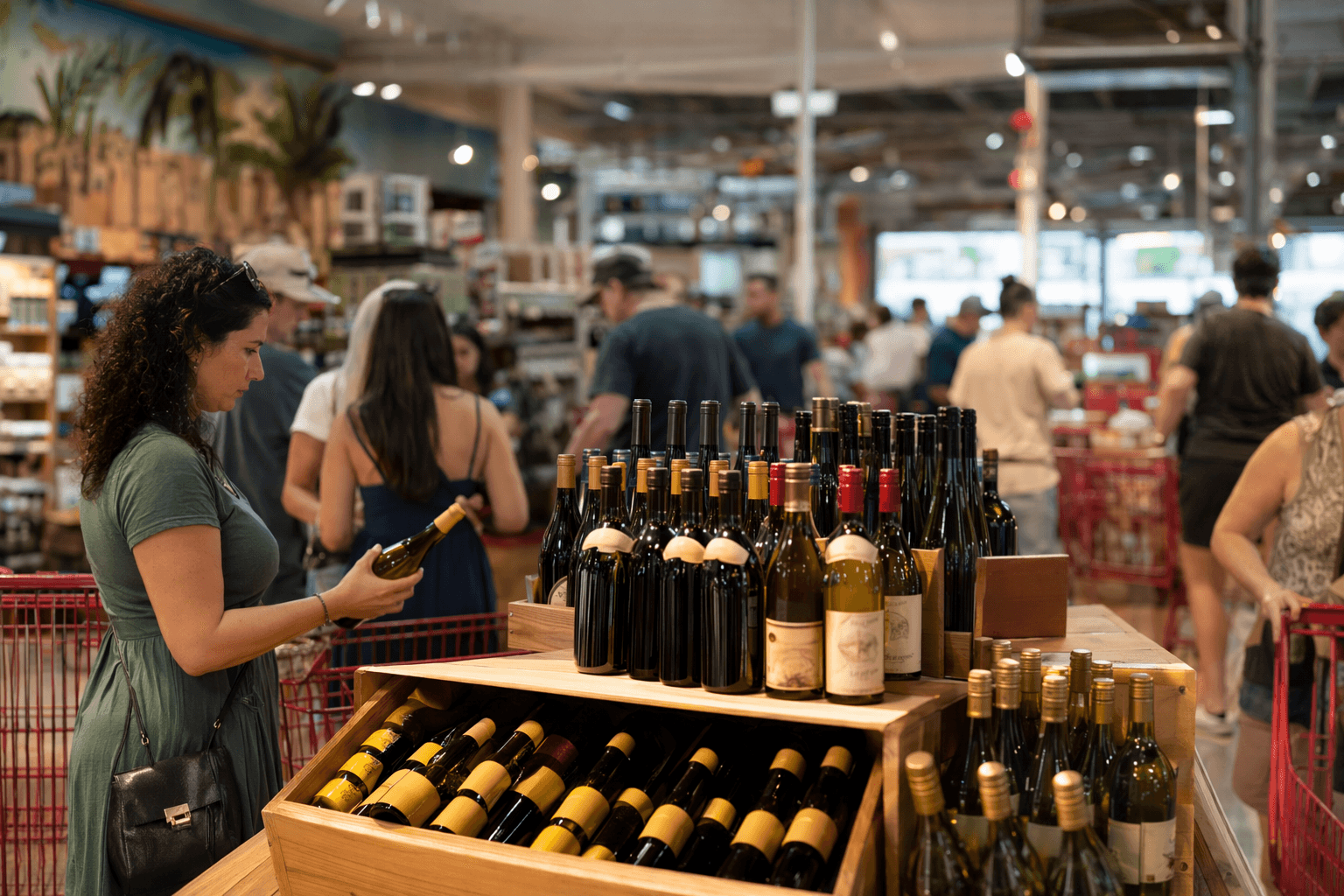
That is the part Trader Joe’s crews should clock. Trader Joe’s has built its brand around a different kind of value equation, one that leans on discovery and fun, direct buying when possible, and a storewide refusal to run sales, coupons, loyalty programs or membership cards. The company says it has been transforming grocery shopping that way since 1967, removing items that do not pull their weight and making room for new products. It also says creative, informative signage is part of how it helps customers understand what they are buying, which is exactly where value gets translated from corporate language into something visible on the shelf.
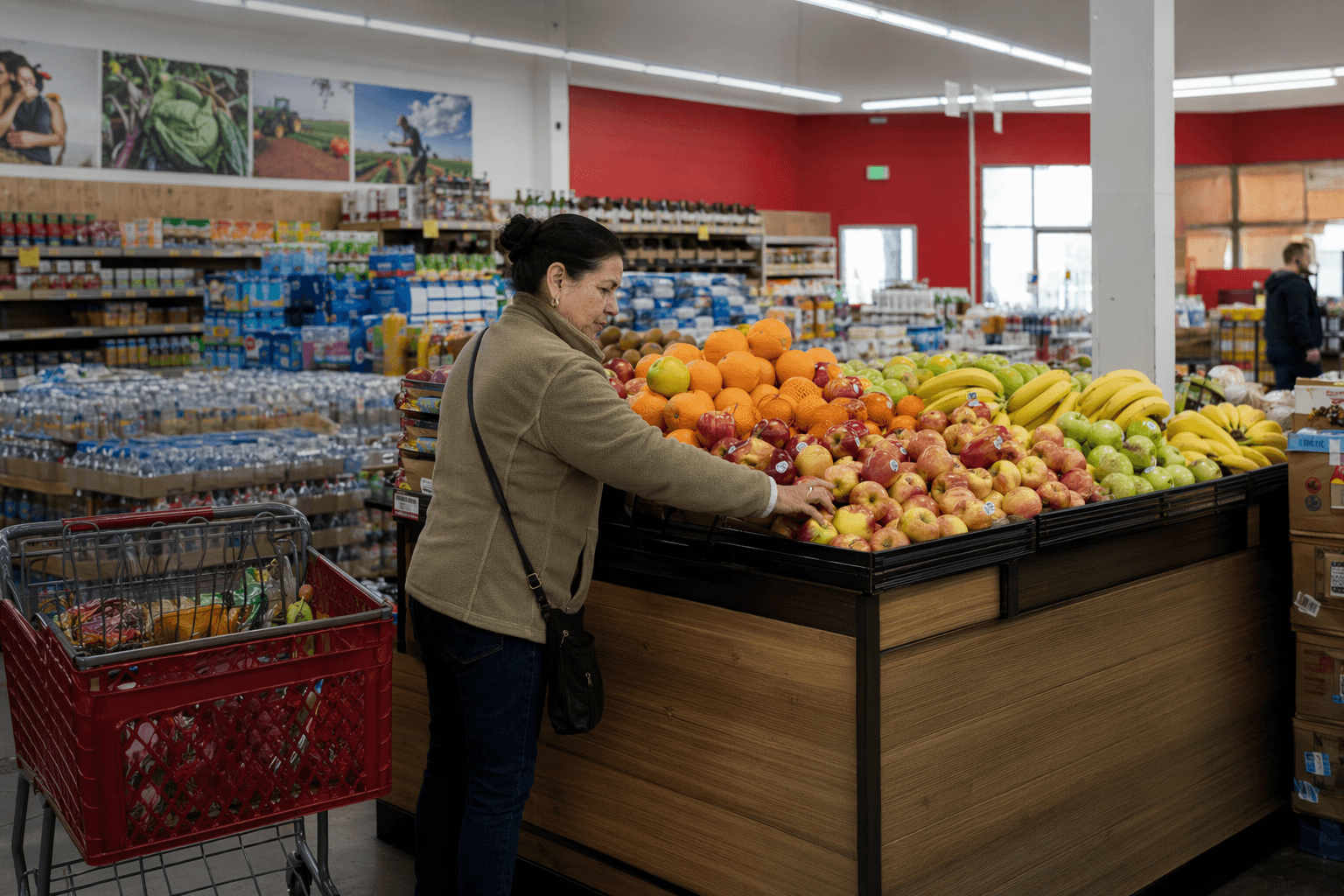
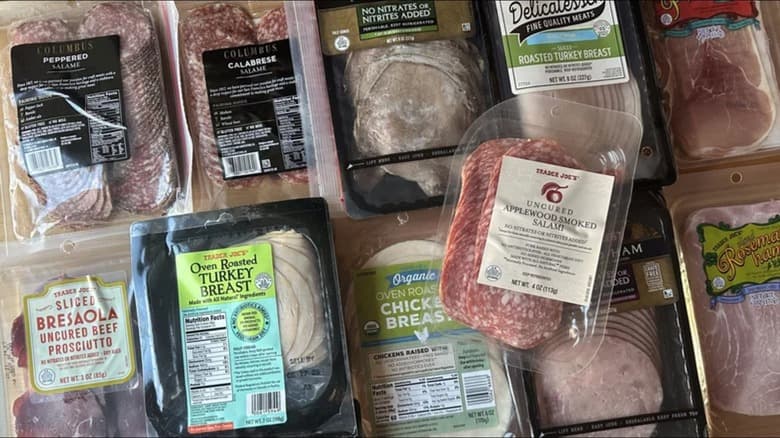
The comparison is sharper because Trader Joe’s sells most products under its own label, and that label carries unusually high expectations. Numerator data cited by Food Business News put Trader Joe’s private-label share at 69% of unit sales, second only to Aldi among the 20 biggest U.S. retailers by private-label share. That means shoppers are not just weighing price, they are weighing trust in the Trader Joe’s name itself. When a customer walks in after hearing about Grocery Outlet’s turnaround, the question is not whether Trader Joe’s can win a race to the bottom. It is whether crew members can keep the store’s curated mix feeling fresh, fair and worth the trip.
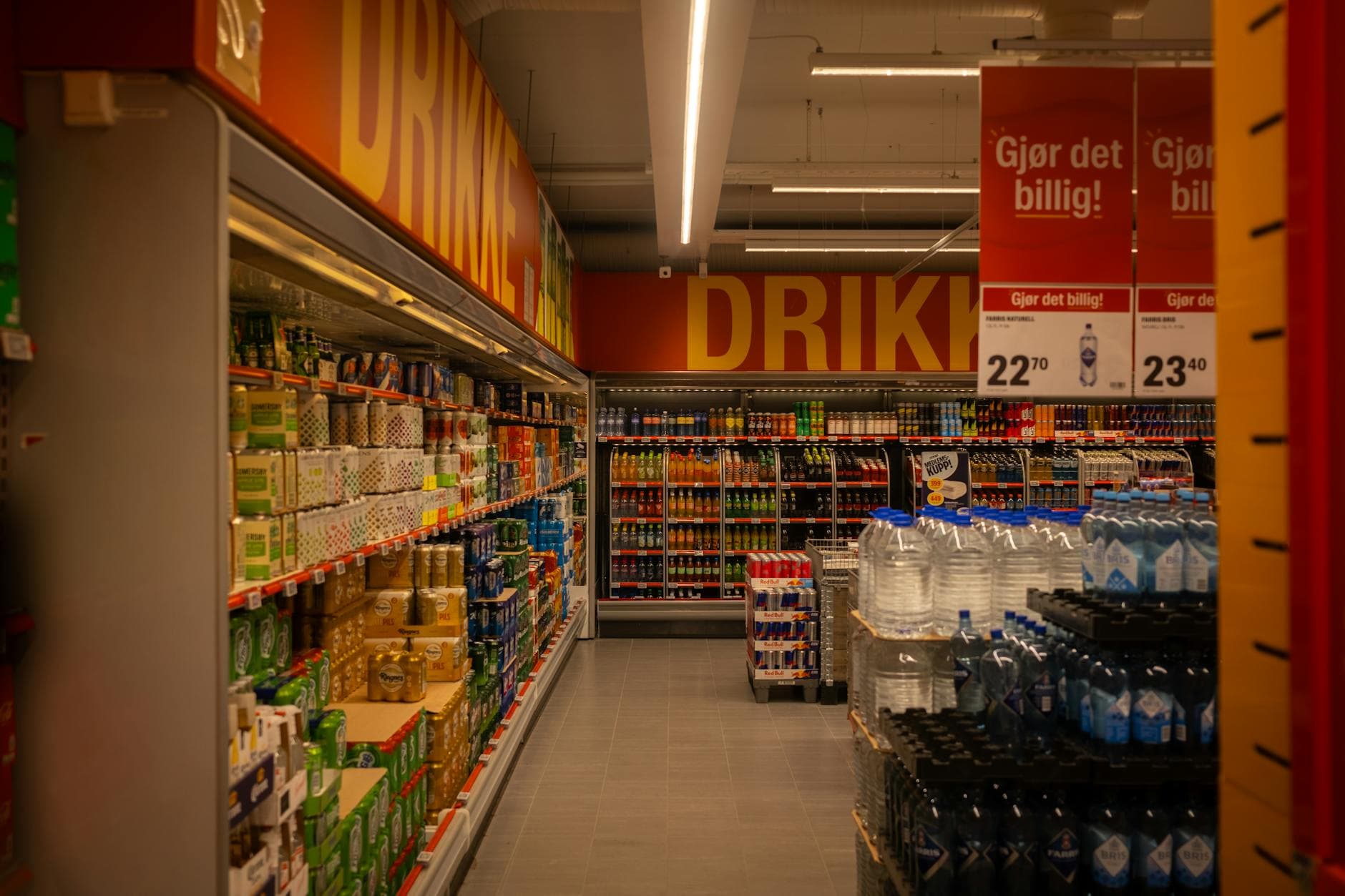
Grocery Outlet’s strategy shows how retailers try to make that case concrete. The company said it is restoring customer value perception through a stronger assortment, more promotional support and sharper value messaging. It said its opportunistic mix has increased by nearly 2 percentage points, that it is simplifying signage, and that it has completed 58 store refreshes with a goal of 100 by year-end. Chief executive Jason Potter said the chain is encouraged by the progress it is seeing, but not satisfied and still has work to do.
For Trader Joe’s, that is the useful lesson. Value does not live only in the price tag or the corporate story. It lives in what shoppers can see, what crew members can explain, and whether the store makes the bargain feel real the moment they walk in.
Know something we missed? Have a correction or additional information?
Submit a Tip