HelloFresh expands cold-storage robots, raising the automation bar for grocery
HelloFresh’s Factor brand scaled from 13 to 39 cold-storage robots, lifting chilled fulfillment from 100 SKUs to 500. The move shows automation is pushing deeper into grocery’s cold chain.

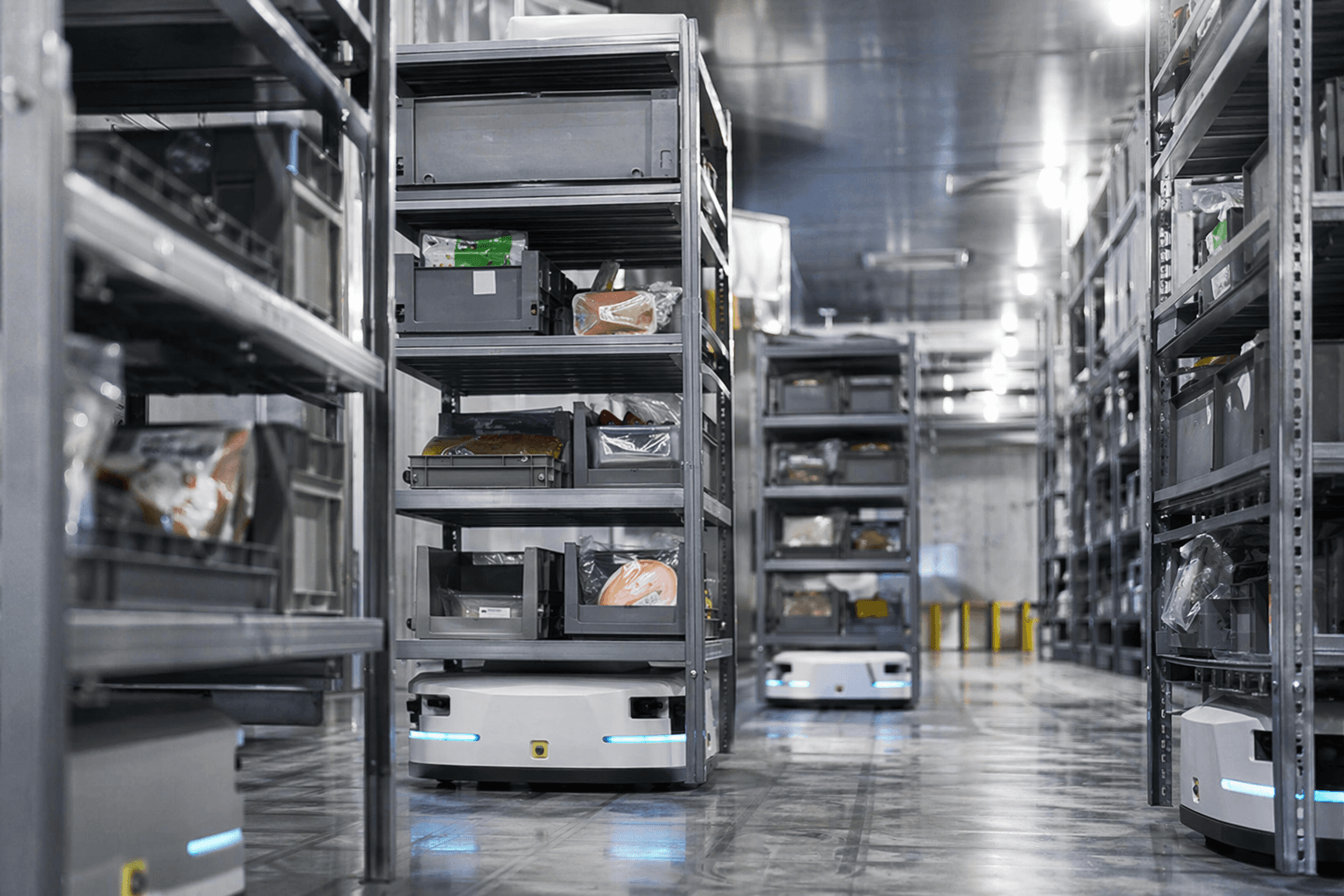
HelloFresh’s Factor brand has pushed robotics deeper into one of grocery’s toughest environments: the cold room. What started as a pilot in July 2025 with 13 Locus Origin robots grew to 39 machines after early results were strong enough to justify adding 26 more, a scale-up that lifted chilled fulfillment capacity from 100 SKUs to 500.
That fivefold increase matters because cold storage is not a natural fit for off-the-shelf automation. The system has to run in refrigerated conditions, where battery efficiency can suffer, and the hardware needed more than standard warehouse equipment to work reliably. Locus Robotics developed heated motor and charging modifications so the robots could keep operating in colder spaces, turning a narrow pilot into a larger deployment that can handle a much broader assortment.
For grocery workers, the significance is less about a single meal-kit operator and more about where automation keeps spreading. The most vulnerable tasks are not the customer-facing moments that define Trader Joe’s brand. They are the repetitive, back-end jobs that move inventory through distribution, cold storage, picking, and other time-sensitive warehouse work. That is where companies are chasing speed, consistency, and less labor friction, even when the sales floor still depends on people.
Trader Joe’s has built its reputation on a people-centered model, above-market pay, and crew culture pride that customers notice as much as the product mix. It has also resisted the kind of self-checkout and service replacement that would strip away the human feel of the stores. But HelloFresh’s expansion shows the broader market pressure never stops at the front door. Competitors keep automating upstream, and that can change replenishment timing, product availability, and the economics of launching new items long before a shopper ever sees a shelf.
That leaves managers with a clearer picture of where the next labor debate is headed. The battle is not just over registers or kiosks. It is over the warehouse floor, the cold chain, and the work that keeps stores stocked. As more of that invisible infrastructure gets mechanized, the value of the human work Trader Joe’s does keep becomes easier to define, and harder to substitute.
This article was produced by Prism’s automated news system from verified source data, official records, and press releases, then run through automated quality and moderation checks before publishing. The system is built and supervised by the people who set the standards it runs under. Read our full AI policy.
Know something we missed? Have a correction or additional information?
Submit a Tip