Jury convicts Gene Atkins in Trader Joe's hostage standoff case
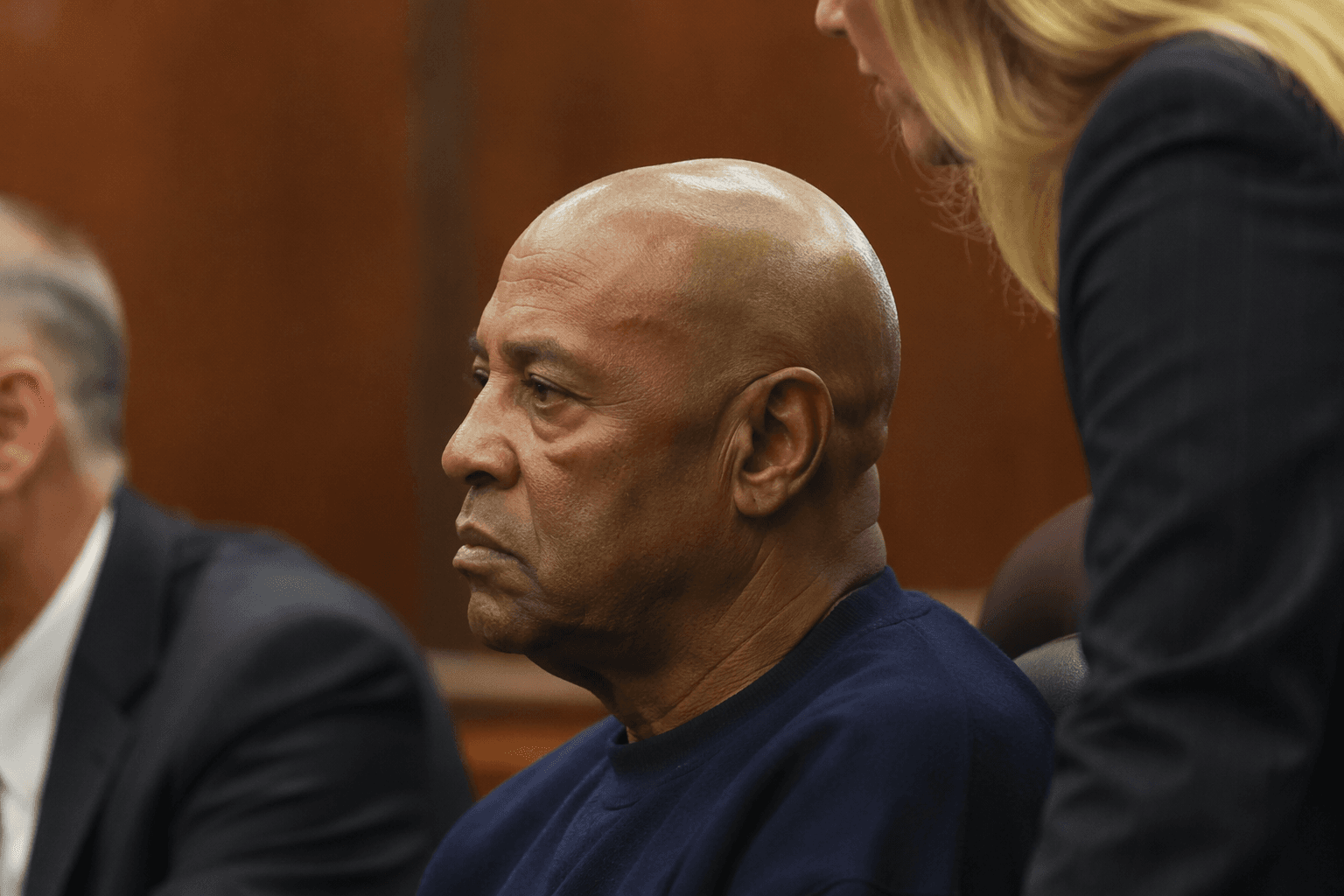
A jury convicted Gene Atkins on 40 counts in the Silver Lake Trader Joe’s standoff, but it split on murder, keeping Melyda Corado’s death at the center.

A jury convicted Gene Atkins on 40 counts in the Silver Lake Trader Joe’s hostage standoff, but it stopped short of finding him guilty of murder in the death of Melyda Corado. After three days of deliberations, jurors acquitted Atkins of first-degree murder and deadlocked 10-2 on second-degree murder, leaving the legal responsibility for the 27-year-old assistant manager’s death unresolved even as the broader case closed in court.
Atkins, now 36, was found guilty of attempted murder, assault on a peace officer, attempted carjacking and mayhem, along with other charges tied to the July 21, 2018 violence that began before he reached the store. Prosecutors said the episode started with attempted murders of his grandmother and girlfriend, then escalated into a police chase and shootout at the Silver Lake Trader Joe’s. During the standoff, Atkins allegedly held more than two dozen shoppers hostage for more than three hours, turning an ordinary grocery shift into a siege that crew members and managers across the company still remember as one of the darkest moments in Trader Joe’s recent history.
Corado was killed by bullets fired by Los Angeles Police Department Officer Sinlen Tse during the gunfight. She was struck inside the store, then dragged out about 20 minutes later and died at the scene. For Trader Joe’s workers, her death is more than a headline verdict. It is a reminder that store safety is not only about slipping hazards, break rooms and unloading docks, but also about emergency response, lockdown procedures and whether management is prepared for a crisis that arrives without warning.
The criminal case has also carried a civil cost. Corado’s family sued the City of Los Angeles and officers in 2018, reached a tentative settlement in May 2024 and later finalized a $9.5 million agreement over her death. The legal fight has kept attention on a brutal question that has shadowed the case from the start: whether a defendant can be held responsible when a police bullet, fired during a chaotic armed confrontation, kills a bystander.
For a company built on crew culture, above-market pay and the idea that employees are part of the brand, the verdict lands as another test of what those promises mean when safety fails. The store in Silver Lake became the scene of a hostage standoff that lasted hours; years later, the memory of Melyda Corado still defines how many workers think about protection, training and the employer’s duty to respond when ordinary retail work turns dangerous.
This article was produced by Prism’s automated news system from verified source data, official records, and press releases, then run through automated quality and moderation checks before publishing. The system is built and supervised by the people who set the standards it runs under. Read our full AI policy.
Know something we missed? Have a correction or additional information?
Submit a Tip