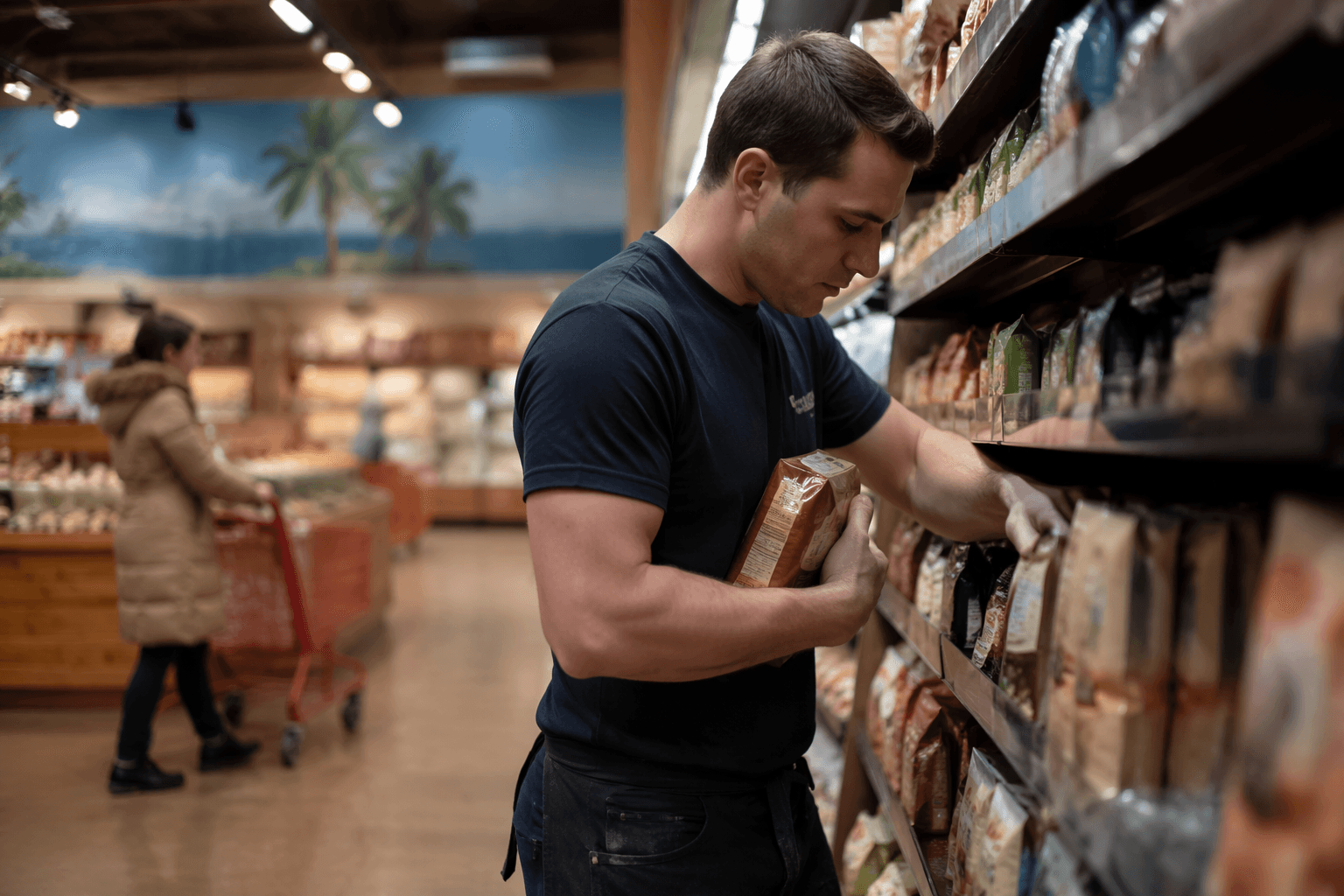
Inside Trader Joe’s transcript reveals how products get made and shipped
Trader Joe’s transcript shows the tasting panel as the real gatekeeper, and that upstream control ends up shaping every shelf conversation, launch, and shipment.
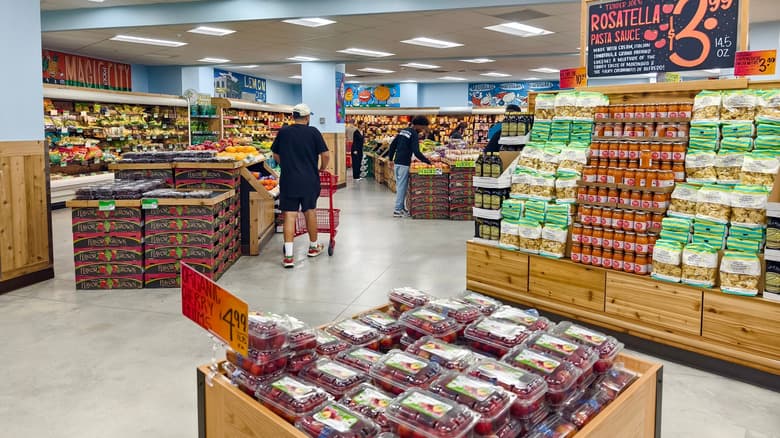
The product story starts before the store ever sees a box
Trader Joe’s does not treat assortment like a simple buying exercise. The company’s own materials and podcast transcript point to a tightly managed pipeline that runs from sourcing and tasting to packaging, accurate labeling, and shipment to stores. For crew on the floor, that matters because the item a customer asks about is the last stop in a process that began long before the pallet hit the back room.
That is the clearest value of the transcript from Inside Trader Joe’s Episode 1: it shows that product development is not a black box of random novelty. It is a controlled system built to make sure an item earns its way onto the shelf, not just its way into a warehouse.
The tasting panel is the real gatekeeper
Trader Joe’s is unusually explicit about where the final decision lives. The company says every product it sells passes through the tasting panel, and its FAQ puts the rule plainly: it tastes everything before it puts its name on a product and offers only what it feels is extraordinary. Later podcast materials describe the tasting panel as the “final hurdle” before a product is approved to come in to stores.
That makes the panel much more than a branding flourish. It is the mechanism that explains why the assortment feels so curated, why some products become cult favorites, and why crew members often end up serving as unofficial translators of the company’s choices. When a customer wonders why a certain snack is in the case or why a seasonal item disappeared, the answer usually traces back to that gatekeeping logic.
Trader Joe’s is not buying shelf filler
The company’s vendor requirements sharpen that point. Trader Joe’s says it deals directly with manufacturers or growers, not brokers or distributors. It also says it does not buy recipes or product concepts, and that its focus is on “great quality at a great price.”
That is a big distinction for workers who have to explain the chain’s mix of private-label goods, limited runs, and rotating items. Trader Joe’s is not just taking a finished product from the market and dropping it into the assortment. It is shaping what gets made, how it is presented, and how it reaches the store. That control is why the chain can feel both quirky and disciplined at the same time.
For managers, the takeaway is practical. A strong vendor and tasting-panel pipeline can reduce surprises when items launch, make signage and merchandising easier to explain, and give crews a clearer story to tell when customers ask why the product looks or sounds different from a mass-market equivalent.
What this means for crew conversations
On the floor, this process shows up in the daily conversations that happen at registers, in aisles, and at the demo table. Product questions are not random interruptions. They are the final mile of a longer decision chain, and crew members become the face of that chain once the product is in the store.
That changes the job in a few ways:
- It gives crew a concrete explanation for why an item exists, especially when customers want to know why Trader Joe’s carries one version of a product and not another.
- It helps managers frame product knowledge as part of service, not as an optional extra.
- It makes launches and substitutions easier to communicate, because the chain’s product logic is built around selection, tasting, and controlled rollout rather than open-ended catalog expansion.
The result is a store environment where crew recommendations carry more weight. If Trader Joe’s has already screened the product so carefully, then the crew member talking about it is not improvising. They are extending the company’s own filtering process into the customer interaction.
Whimsy on the label, control behind the scenes
Trader Joe’s public brand language helps explain the contrast. The company says it has been “transforming grocery shopping into a welcoming journey full of discovery and fun since 1967.” That playful tone is part of the brand’s charm, and it is why the names, packaging, and seasonal surprises often feel more inventive than what shoppers find at conventional grocers.
But the transcript shows that the whimsy sits on top of a disciplined system. The names may be playful, but the approval process is not. The surprise factor comes from a company that is highly intentional about what gets through. That is also why outside coverage has often described the tasting panel as secretive and highly selective.
For workers, that balance matters. It explains why the chain can encourage personality in the store while still keeping tight control over product standards. The fun is curated. So is the assortment.
A long private-brand history sits underneath the model
The company’s product culture is not a recent marketing invention. Trader Joe’s says its first store opened in 1967 in Pasadena, California, and historical accounts place that first location at 610 South Arroyo Parkway, with the opening date listed as August 25, 1967. Joe Coulombe founded the chain, and Trader Joe’s later sold to Theo Albrecht in 1979 before expanding beyond California in the 1990s.
That history helps put the current product pipeline in perspective. The chain’s selectivity did not appear overnight. It grew out of decades of private-label evolution and a business model that has long treated product as the brand itself.
Why Inside Trader Joe’s still matters
The podcast remains useful because it turns that system into something workers can actually use. Trader Joe’s launched Inside Trader Joe’s in 2018, and the podcast page shows it continues as an in-house storytelling channel. In that sense, the transcript is more than behind-the-scenes content. It is a guide to how the company wants its own people to understand the path from idea to shelf.
For crew, that means one simple thing: when a customer asks why a product looks the way it does, tastes the way it does, or appears only for a short time, the answer starts with the same process every time. Trader Joe’s has built its brand around discovery, but the transcript shows that discovery is filtered through direct sourcing, the tasting panel, and a controlled launch pipeline that ends at the store, where the company’s product philosophy becomes visible in real life.
This article was produced by Prism’s automated news system from verified source data, official records, and press releases, then run through automated quality and moderation checks before publishing. The system is built and supervised by the people who set the standards it runs under. Read our full AI policy.
Did this article answer your question?