Instacart adds EBT SNAP payments to Caper smart carts
Instacart’s Caper Carts now take EBT SNAP payments at McKeever’s, adding benefits, coupons and checkout to one cart. It could reset shopper expectations for speed and privacy.
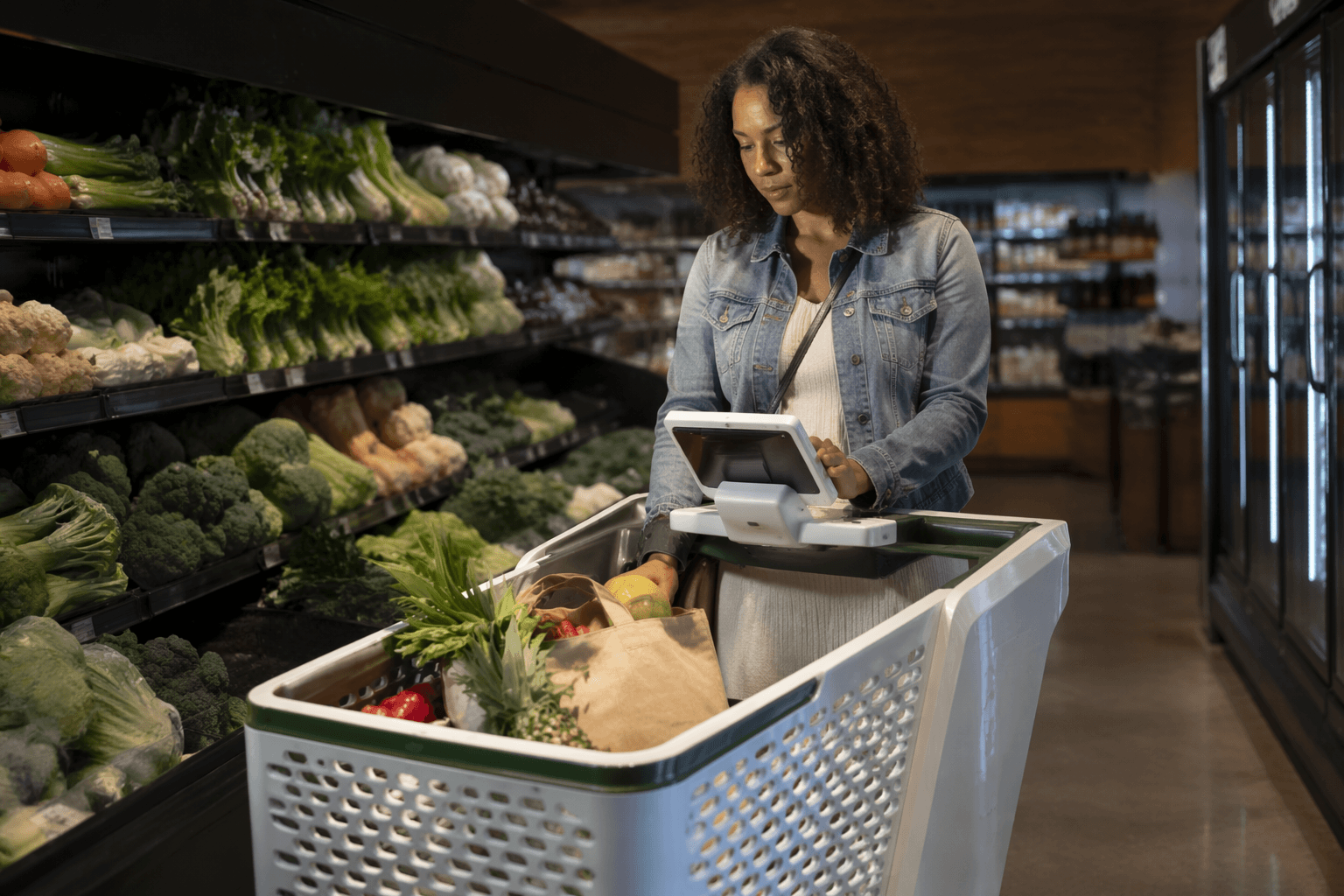
Instacart said June 30 that EBT SNAP payments are now available on its Caper Carts, with Forage powering the new capability. McKeever’s, the Kansas- and Missouri-based grocer, is the first retailer to launch the feature.
The smart carts now let shoppers view an EBT balance while they shop, check out directly on the cart, clip and apply digital coupons, track eligible and noneligible spending in real time, enroll in loyalty programs and access location-based coupons inside the store. Instacart said the carts first added in-store tracking for EBT SNAP-eligible items before moving into payment, turning the cart itself into a checkout and budgeting tool instead of just a basket on wheels.
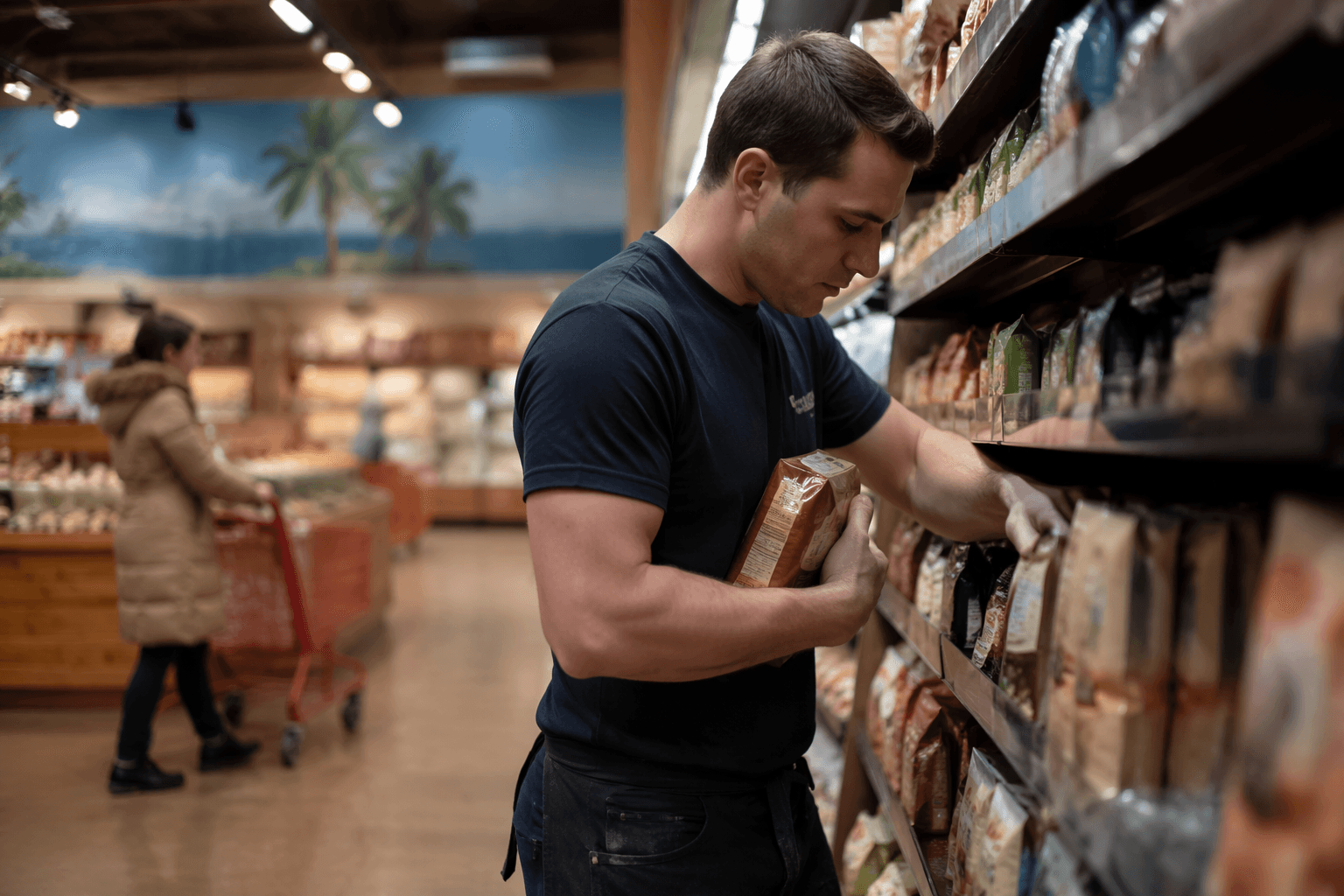
For Trader Joe’s workers, that matters because the contest in grocery is no longer just about price or store layout. It is about how much of the trip gets compressed into the aisle, from coupon clipping to payment to loyalty sign-up, and how much customers start expecting that kind of convenience even in stores that still rely on crew members at the register. Trader Joe’s has made the opposite bet, keeping its stores low-tech and centered on people, with President Jon Basalone saying in 2023 that self-checkout rumors were “as false as false can be” and CEO Bryan Palbaum describing self-checkout as “work” in the company’s podcast discussion of checkout technology.
That contrast gives the Instacart rollout extra weight. Trader Joe’s says on its About Us page that it has been transforming grocery shopping into a welcoming journey full of discovery and fun since 1967, and the chain had 656 U.S. stores as of June 26. It has also continued expanding, with plans reported for more than 20 new stores in 2026. Against that backdrop, a cart that combines payment, coupons and loyalty into one device raises a basic question for front-end crews: how much of the customer’s transaction will stay at the register, and how much will shift to technology before a shopper ever reaches the checker.
The accessibility angle is just as important. USDA’s Economic Research Service found that about 1 in 5 U.S. grocery shoppers ages 15 and older bought groceries online in the past 30 days in 2022 and 2023, and that online grocery shopping is more common among shoppers who are income-ineligible for SNAP. No Kid Hungry has also found that practical supports like meal planning and shopping tips can make online grocery use more likely among lower-income and SNAP households. In a store, that translates into a clear message: reducing the friction around benefits can reduce stigma too.

Instacart said Caper Carts now span more than 100 cities across 15 states and more than a dozen retail banners, after saying in September 2025 that the carts were available in more than 60 U.S. cities at banners including ALDI, Kroger, Schnucks and Wakefern. With the SNAP rollout, the cart is becoming a more complete shopping system, and stores that do not match that ease may start to look less flexible, less private and less convenient by comparison.
This article was produced by Prism’s automated news system from verified source data, official records, and press releases, then run through automated quality and moderation checks before publishing. The system is built and supervised by the people who set the standards it runs under. Read our full AI policy.
Did this article answer your question?