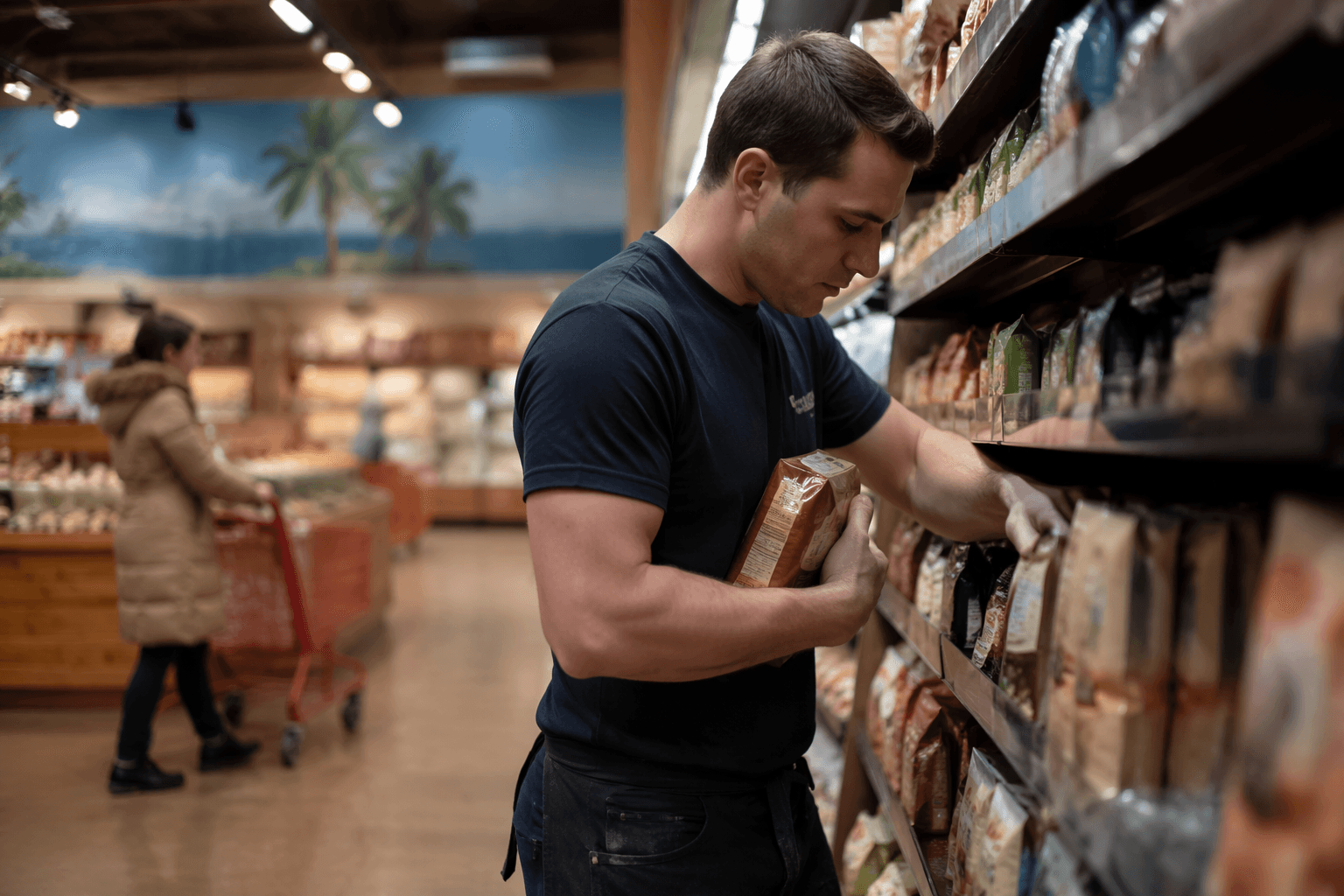
Judge blocks SNAP ban on sugary drinks, candy, affecting Trader Joe’s shoppers
A federal judge blocked SNAP waivers that would have barred candy and sugary drinks, keeping checkout rules from shifting under Trader Joe’s crews.
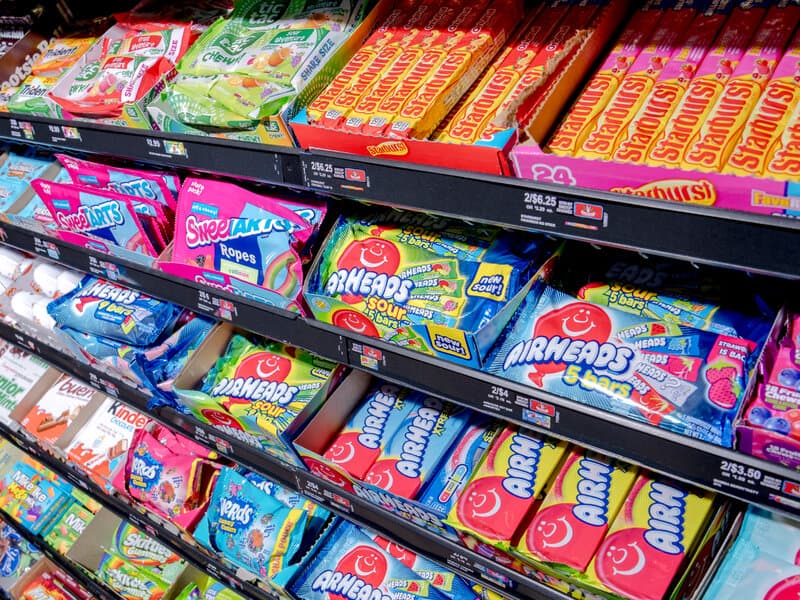
Judge Amy Berman Jackson blocked USDA from approving state waivers that would have kept SNAP shoppers from buying sugary drinks and candy, a ruling that reached beyond Washington and into the checkout lanes of grocers like Trader Joe’s. The decision undercuts a policy push that USDA had celebrated just months earlier and leaves store crews facing yet another round of questions about what scans and what does not.
The ruling came on June 23, 2026, from the U.S. District Court for the District of Columbia, after consumers in Colorado, Iowa, Nebraska, Tennessee and West Virginia sued over the restrictions. USDA had approved six new state waivers in December 2025 under the Make America Healthy Again initiative, and the first restrictions had already taken effect in five states on January 1, 2026. More states were scheduled to follow later in the year, while Texas had said its healthy foods waiver would begin restricting sweetened drinks and candy on April 1, 2026.
For grocery workers, the issue is not abstract. SNAP transactions hit the front end first, and any change in eligibility can slow a lane, confuse a shopper and put a cashier or mate in the middle of a policy argument they did not write. Trader Joe’s says it values customer and crew feedback and uses it to improve, which makes clear internal guidance especially important when shoppers ask why one item is covered and another is not. In a chain known for crew culture and above-market pay, that kind of clarity matters just as much as the product mix itself.
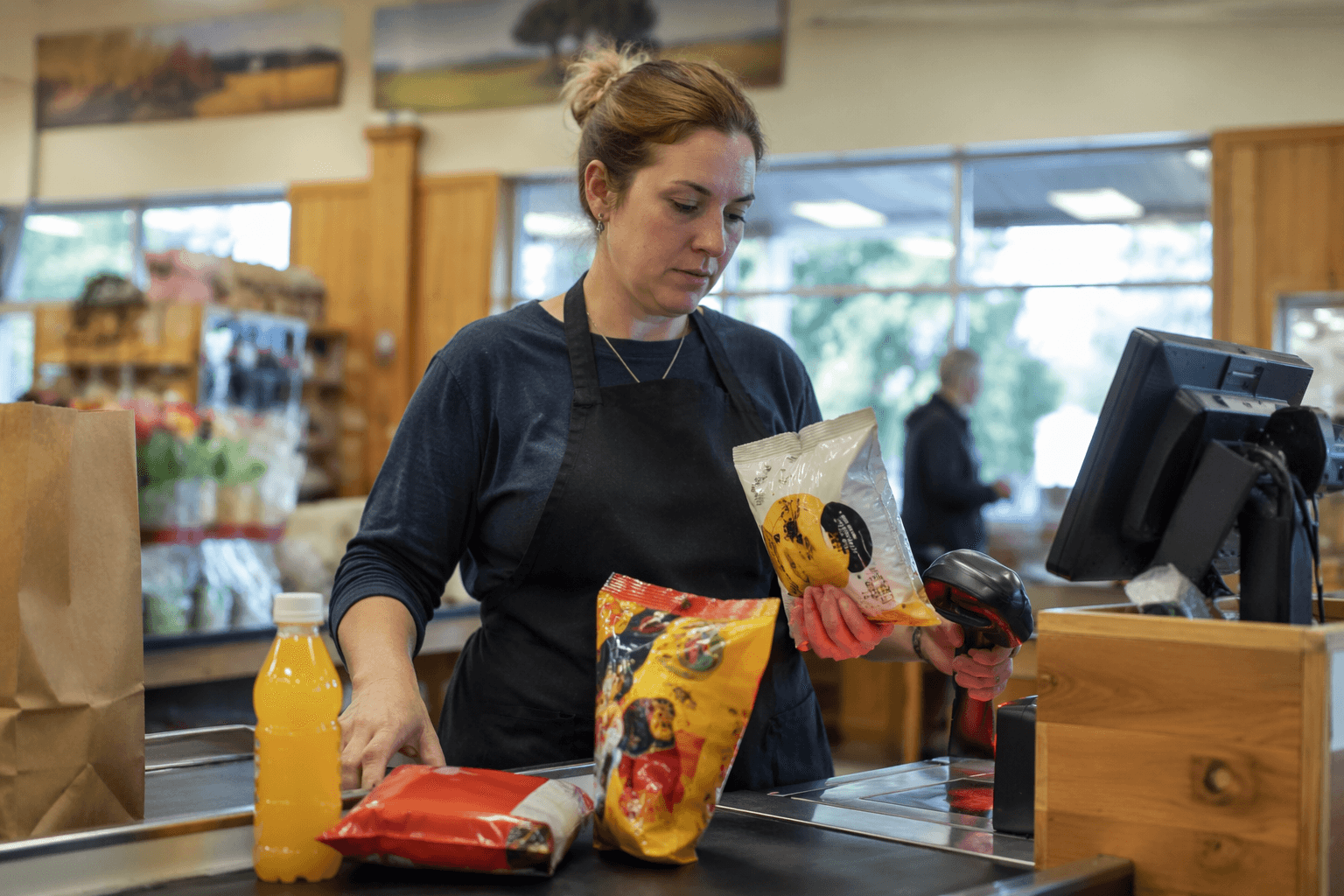
USDA and the Food and Nutrition Service had told retailers to expect a 90-day grace period after a waiver’s implementation date before compliance investigations could begin, a timeline that gave stores some room to adjust but also signaled how quickly the rules could change. Supermarket News reported that five states had already rolled out restrictions affecting more than 21,000 items, which shows how operationally messy these waivers can become once they reach store level.
SNAP is a major part of the grocery business. USDA’s Economic Research Service said the program served about 41.7 million people per month in fiscal year 2024, and USDA’s fiscal 2026 participation table showed 39,340,269 participants as of May 8, 2026. With a customer base that broad, even a narrow fight over candy and soda can ripple through sales mix, checkout flow and the tone of customer-service conversations. The court’s decision leaves the larger question unresolved, but it keeps the register rules from shifting again while grocers are already adapting.
This article was produced by Prism’s automated news system from verified source data, official records, and press releases, then run through automated quality and moderation checks before publishing. The system is built and supervised by the people who set the standards it runs under. Read our full AI policy.
Did this article answer your question?