Kroger pays interim CEO more than $14 million amid leadership shift
Kroger’s interim CEO made more than $14 million as the chain reset at the top, a shift that could ripple into wages, staffing and store pressure across grocery rivals.
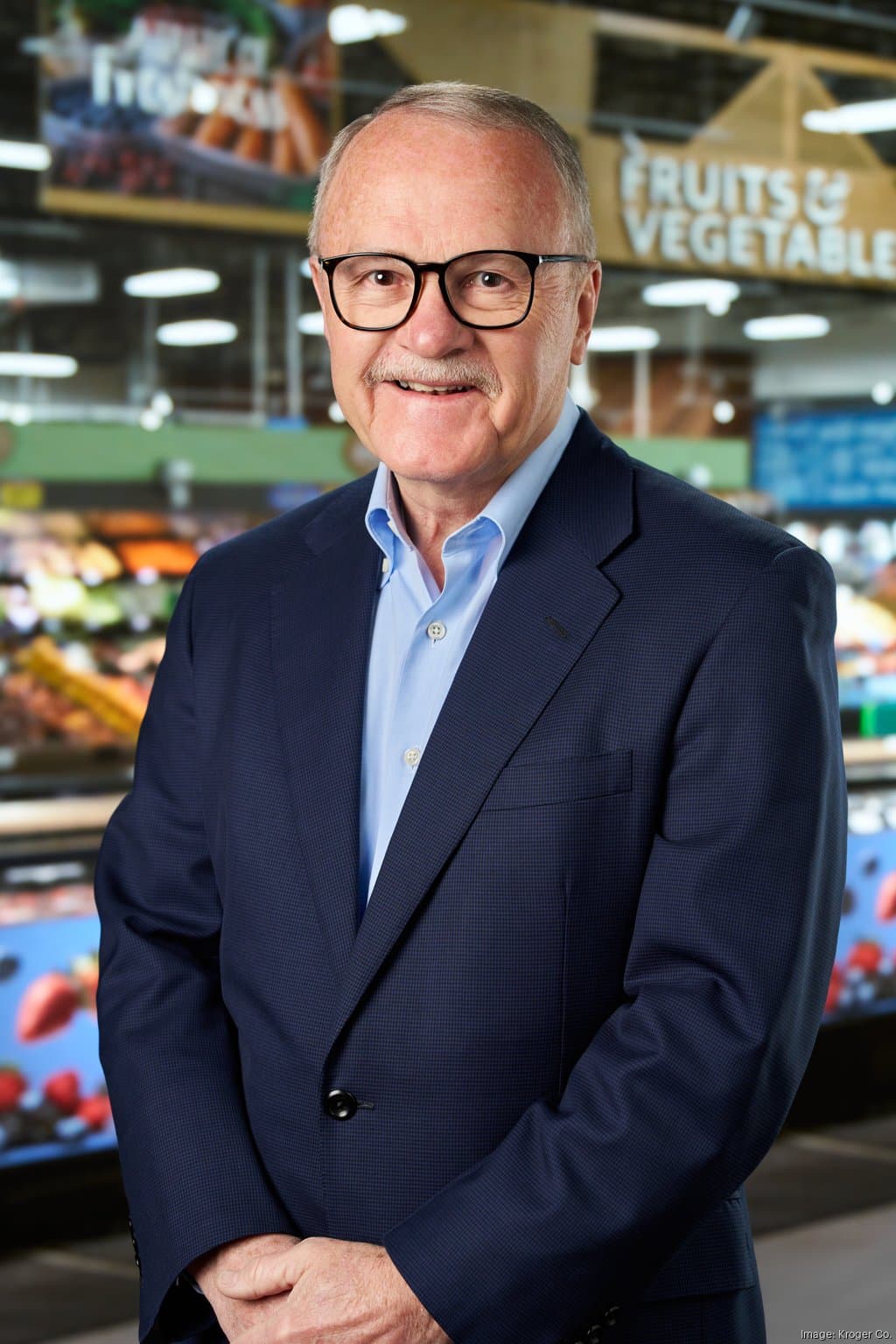
Ron Sargent’s interim turn at Kroger came with more than $14 million in salary and stock-related compensation in 2025, a reminder of how quickly grocery boards reward leaders when a chain is trying to steady itself. For Trader Joe’s crew, the bigger story is not the pay package itself but what usually follows a top-level shakeup at a rival: tighter labor discipline, more caution on benefits, and fresh pressure to invest in stores and digital tools without lifting costs too far.
Kroger moved fast after Rodney McMullen resigned effective immediately on March 2, 2025, following a board review of personal conduct that the company said was not tied to financial performance, operations, reporting or any Kroger associates. Sargent, then the lead director, was named interim chief executive officer and chairman the same day, while Mark Sutton became lead independent director. The company’s filing said Sargent received an annual base salary of $4.35 million and 60,515 restricted shares vesting after one year, which helped drive the size of the 2025 compensation package.
The leadership reset did not stop there. Kroger later named Greg Foran as chief executive officer, effective immediately, after an extensive search. Foran also joined the board and succeeded Sargent. His background matters for what comes next on the sales floor and in the back room: Walmart said Foran led Walmart U.S. since 2019 and was associated with innovation and AI-driven retail modernization. That points to a Kroger that may lean harder into online ordering, pickup, and store productivity as it tries to keep customers from drifting to rivals.
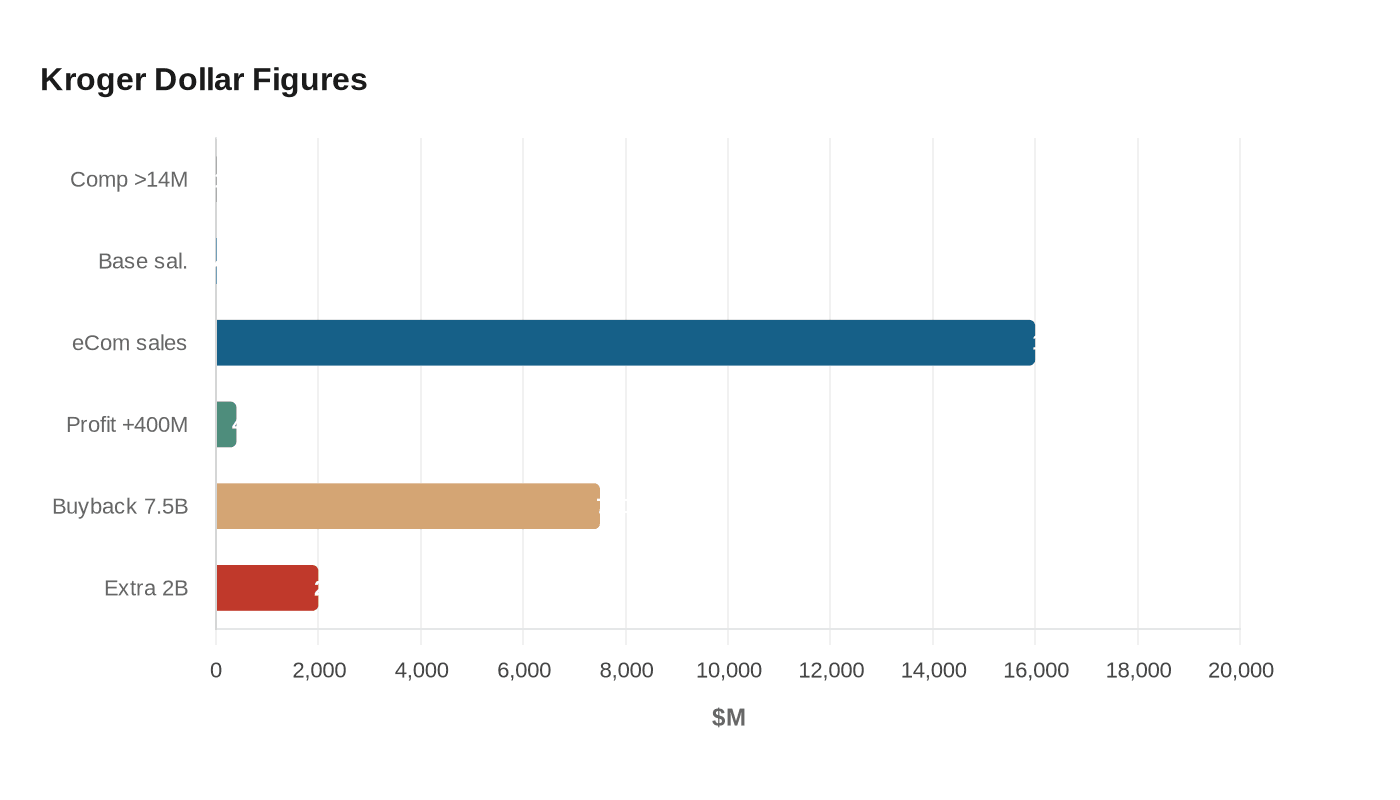
The company’s latest results explain why the board wants a steady hand. Kroger said identical sales without fuel rose 2.9% in fiscal 2025, eCommerce sales topped $16 billion, and adjusted eCommerce sales increased 20% in the fourth quarter. It also expects $400 million in eCommerce operating profit improvement in 2026 after completing a strategic review, and it finished a $7.5 billion share repurchase authorization while approving another $2 billion buyback. That mix of growth spending and capital returns usually means more scrutiny on every labor hour, every store investment and every inch of margin.
For Trader Joe’s workers, Kroger’s upheaval is a useful read on the rest of grocery. Trader Joe’s says eligible crew members can get medical, dental and vision coverage with low employee contributions, paid time off that rises with tenure, and up to a 20% store discount. Trader Joe’s United, the crew-member-run independent union, is organizing around job security, living wages and guaranteed benefits, while labor reporting has included a 2024 National Labor Relations Board finding involving coercive threats and a retirement-benefits dispute at a Massachusetts store. When a major competitor is in transition, the pressure does not stay in Cincinnati. It can change how the whole industry competes for workers, rewards productivity and defines what a strong grocery job looks like.
Know something we missed? Have a correction or additional information?
Submit a Tip