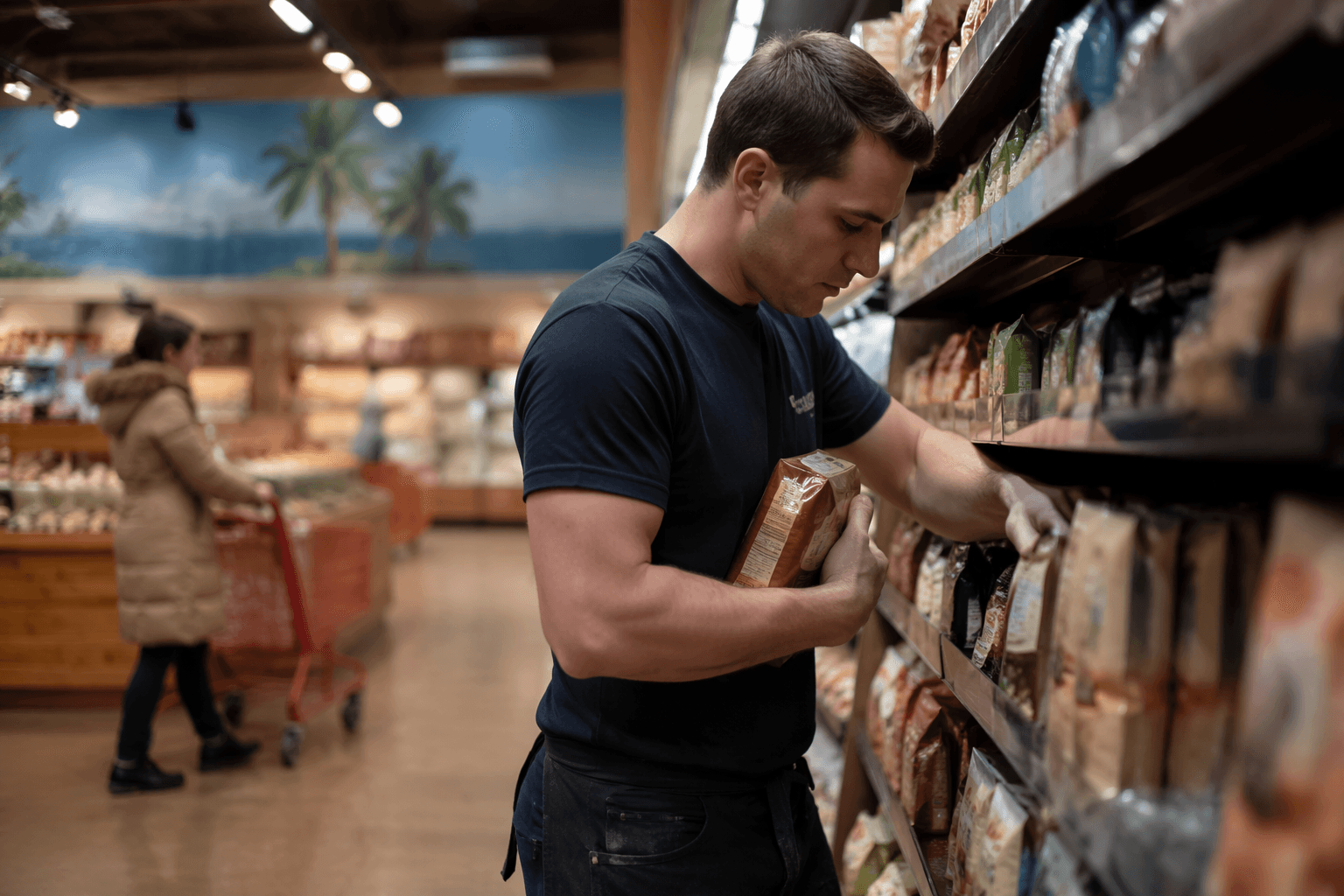
Kroger shows how supplier deals shape Trader Joe's low-price strategy
Supplier deals set the price floor at Trader Joe’s, and the shelf is where crews feel it first through substitutions, tighter assortments, and harder customer talks.
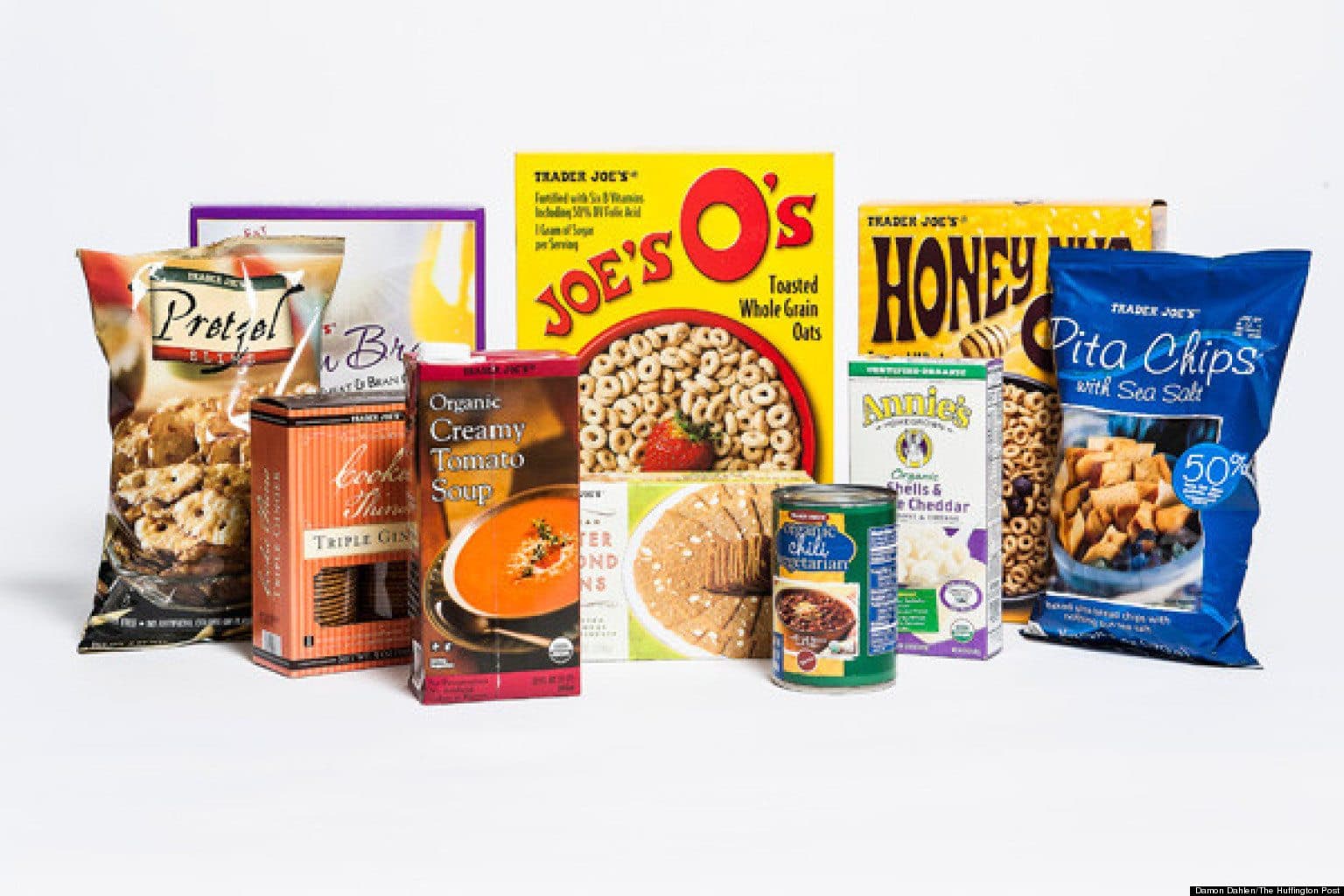
Kroger CEO Greg Foran said the chain is pressing harder on supplier negotiations and direct sourcing to narrow price gaps with competitors. At Trader Joe’s, where more than 80% of products are private label and the brand has centered on outstanding value since 1967, that pressure lands directly on the choices crews make every day: what gets carried, what gets cut, and what gets explained to customers.
What Kroger’s playbook reveals
CFO David Kennerley said the company wants to strip out complexity and waste so it can afford the price investments it needs to make.
Trader Joe’s business model already leans in that direction. The chain is focused on products that offer real value, great quality at a great price, and keeping products under its own label is part of how it keeps costs low. Trader Joe’s low-price model depends on the same discipline, only with fewer branded items in the mix.
How Trader Joe’s keeps the shelf simple
Trader Joe’s is committed to outstanding value and best everyday prices. It does not collect slotting fees and does not require suppliers to fund advertising for its private-label products. In one internal explanation, the company said that when it negotiates with vendors it removes costs usually tied to brands, including slotting fees and advertising, then passes those savings through to customers.
That model gives Trader Joe’s a different kind of leverage than a traditional grocer. The chain can build a tightly curated assortment instead of carrying long rows of near-identical national brands. That usually helps the floor stay focused, but it also means each item has to earn its place fast, and each supplier relationship matters more because the assortment is narrower.
What this means for crew on the floor
For crew members, supplier pressure shows up in practical ways long before it shows up in a corporate margin chart. If a vendor changes pricing, a product can come in at a different pack size, a familiar item can disappear, or a substitute may need to be steered toward a shopper who expected the old version. That turns the daily customer conversation into a mix of product knowledge, pricing logic, and calm explanation, especially when shoppers are comparing Trader Joe’s against a bigger chain with more size options and more brand choices.
Out-of-stocks can also feel sharper in a curated store because there is less room to swap in a nearly identical alternative. A crew member at a more brand-heavy chain may be able to point to three versions of the same item. At Trader Joe’s, the answer may be one seasonal substitute, one reformulation, or a simple explanation that the item is not carried right now.
When assortment decisions are designed to remove waste and keep costs down, the same logic can push stores to run leaner, expect tighter execution, and absorb more customer questions without adding clutter to the shelf.
The lean office model matters too
Trader Joe’s keeps its office team intentionally lean and supports stores from Monrovia, California, and Boston, Massachusetts. A lean back office can help preserve the value story, but it also means stores often feel the effects of decisions made with less cushion and fewer layers between vendor negotiations and the sales floor.
The company’s growth has followed the same pattern. Trader Joe’s opened 34 new stores in 2024 and planned dozens more for 2025. Expansion on that scale makes the supplier model even more important, because every new location adds demand to a system built around a curated assortment and low-friction operations rather than a sprawling warehouse-style mix of brands.
Why this matters for Trader Joe’s culture
Trader Joe’s has built real crew pride around above-market pay, strong customer loyalty, and a store culture that often feels different from conventional grocery. That culture can make the low-price promise easier to sell because crew members are not just moving units, they are reinforcing a brand identity that shoppers already trust. But the same model can also concentrate the pressure on the people on the floor when customers ask why one item vanished, why a package looks smaller, or why a favorite snack is now seasonal.
The chain continues to face union organizing, including the first major wave since 2022. Crew members hear a lot about culture and care, but supplier-driven changes are where those promises get tested in real time. If the assortment stays tight and the pricing stays sharp, the work can feel focused and efficient; if supplier costs rise, the same tightness can make shortages and substitutions more visible.
This article was produced by Prism’s automated news system from verified source data, official records, and press releases, then run through automated quality and moderation checks before publishing. The system is built and supervised by the people who set the standards it runs under. Read our full AI policy.
Did this article answer your question?