McKinsey warns grocery growth is pricing-led, not volume-driven
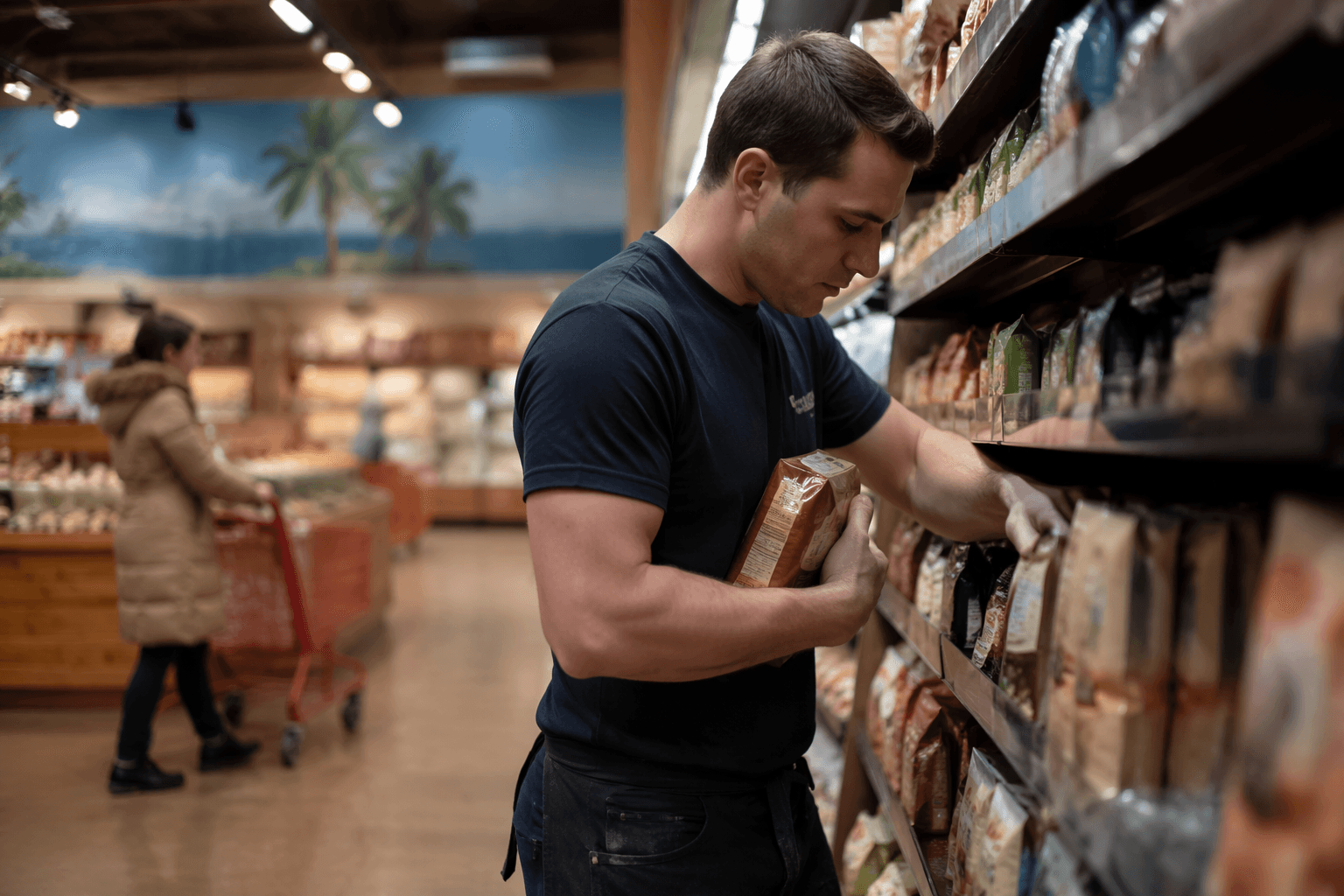
Grocery sales rose 1.2% last year, but price hikes did the work. For Trader Joe’s crews, smaller, more intentional baskets are the bigger shift.
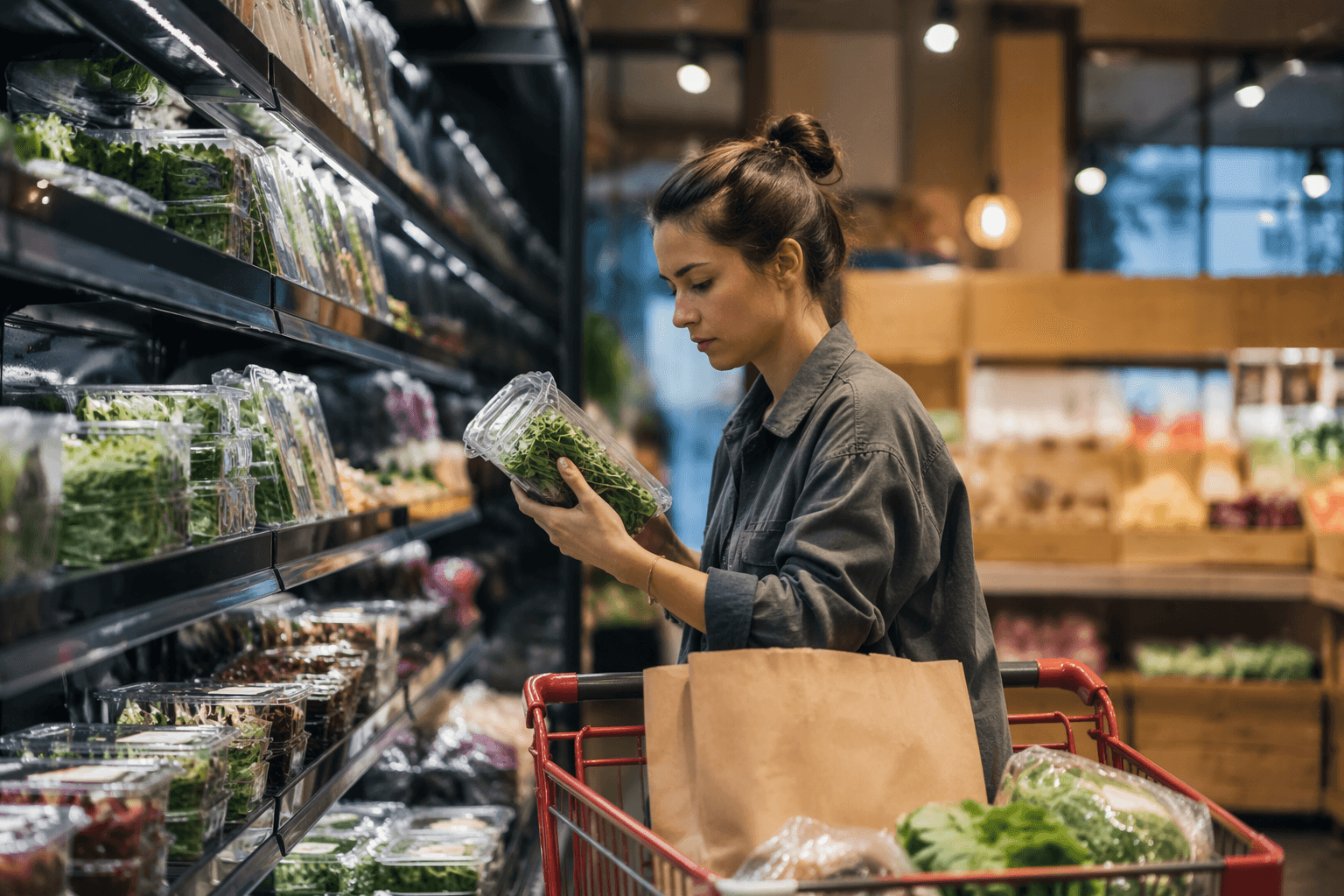
Grocery grew on paper in 2025, but the engine behind it was price, not volume. McKinsey’s North America outlook says sales rose 1.2% while prices climbed 2.2% and volume fell 1 percent, a mix that points to customers buying fewer units even as receipts stayed higher.
That shift fits the way shoppers are already moving through Trader Joe’s. McKinsey says value now depends on how pricing, key value items, promotions, loyalty, personalization and private brands work together, and it says consumers are shopping more deliberately, trimming impulse buys, shrinking basket sizes and splitting trips by mission instead of expecting one store to do everything.
Trader Joe’s has built its model around that reality for decades. The company says it focuses on “outstanding value” and “the best everyday prices,” and says it has been transforming grocery shopping into a “welcoming journey full of discovery and fun” since 1967. Its first store opened in Pasadena, California, on August 25, 1967, and it opened 34 new stores in 2024 as it pushed farther into more neighborhoods.
The chain’s merchandise mix explains why it is so well matched to the private-brand trend. Trader Joe’s says more than 80% of what it sells is private label, and it does not collect slotting fees. That leaves less room for the kind of shelf politics that shape traditional supermarkets and more room for a tighter, more curated floor where a product recommendation from a crew member can matter as much as an ad circular.
For store workers, the operational takeaway is clear: a shopper coming in for one meal occasion or one category is not a weak basket, it is often the new normal. That means the conversation at the register, the recommendation in the aisle and the quality of the substitution all matter more when customers arrive with a specific mission and a sharper eye on price. A small basket can still become repeat business if the trip feels easy and the product mix feels worth coming back for.

The broader industry data backs that up. PLMA says U.S. store-brand sales hit a record $282.8 billion in 2025, up 3.3% from 2024, and store brands accounted for about 47% of all 2025 dollar sales gains in U.S. retail. With Trader Joe’s leaning so heavily on own-label products, the chain’s merchandising philosophy looks less like a quirk and more like a head start in a market where the winning formula is increasingly the one that connects value, assortment and shopper intent.
This article was produced by Prism’s automated news system from verified source data, official records, and press releases, then run through automated quality and moderation checks before publishing. The system is built and supervised by the people who set the standards it runs under. Read our full AI policy.
Did this article answer your question?