New Jersey bans surveillance pricing, pauses digital shelf labels
New Jersey outlawed surveillance pricing for food and froze new digital shelf labels for a year, raising fresh questions about who explains pricing on the store floor.

New Jersey lawmakers approved a bill that would bar businesses from using surveillance pricing to set different prices for the same essential food products, and they paired it with a one-year pause on new digital shelf labels. The Fair Price Protection Act passed the Senate by a 22-14 vote and takes effect in one year.
The bill defines surveillance pricing broadly: any action taken to price groceries and other foodstuffs through an algorithm or automated system based in whole or in part on personal data. That reaches beyond simple promotions and into the mechanics of retail technology, including shopping habits, online activity, biometric monitoring, genetic information and protected-class data when those inputs are used to raise a food price for an individual customer. The substitute version also creates a one-year moratorium on the new use of electronic shelf labels in the state, while directing the New Jersey Innovation Authority, in consultation with the Division of Consumer Affairs, to study those labels before and during the pause. Violations would count as an unlawful practice under New Jersey consumer-fraud law, and the attorney general would be able to enforce the act.
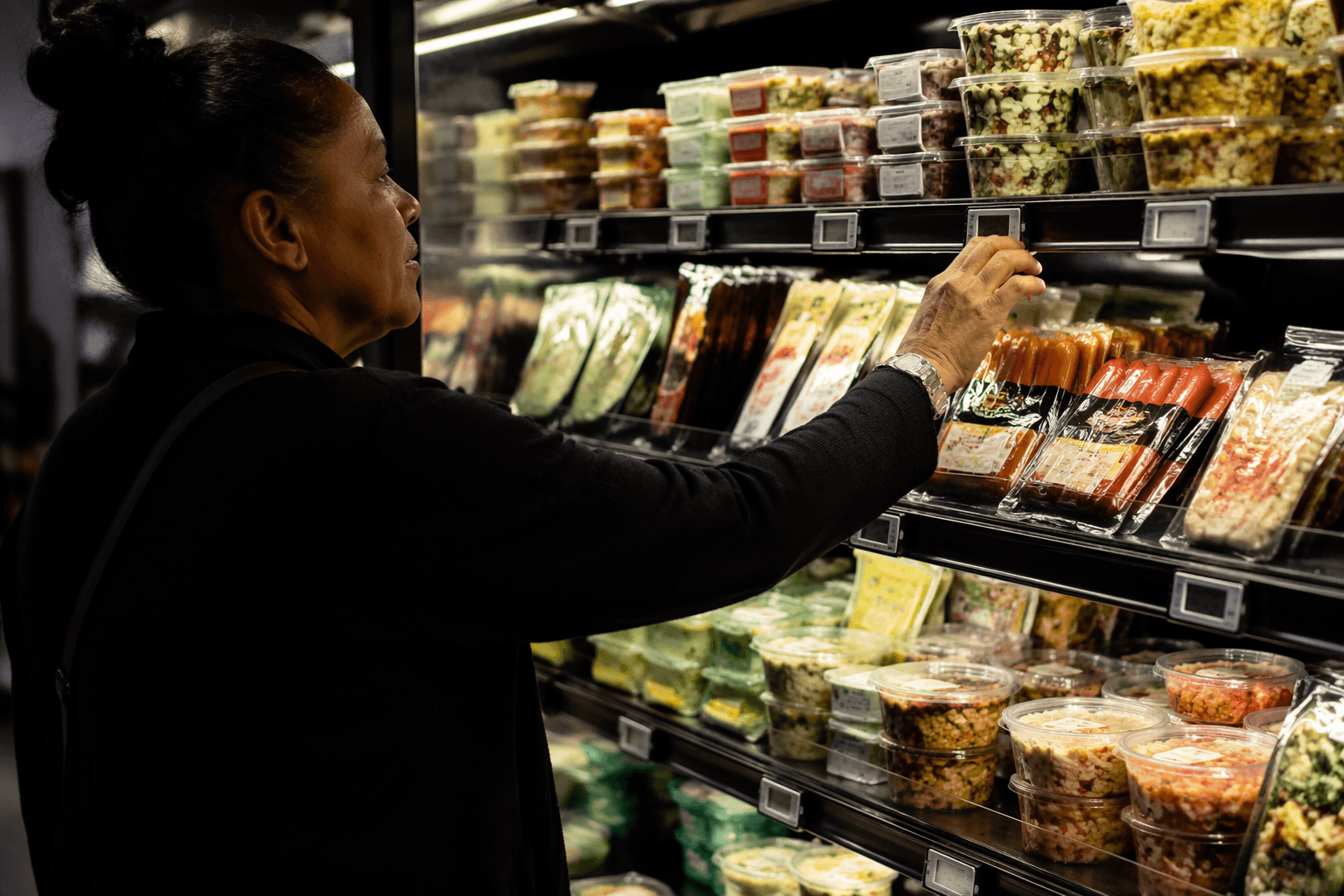
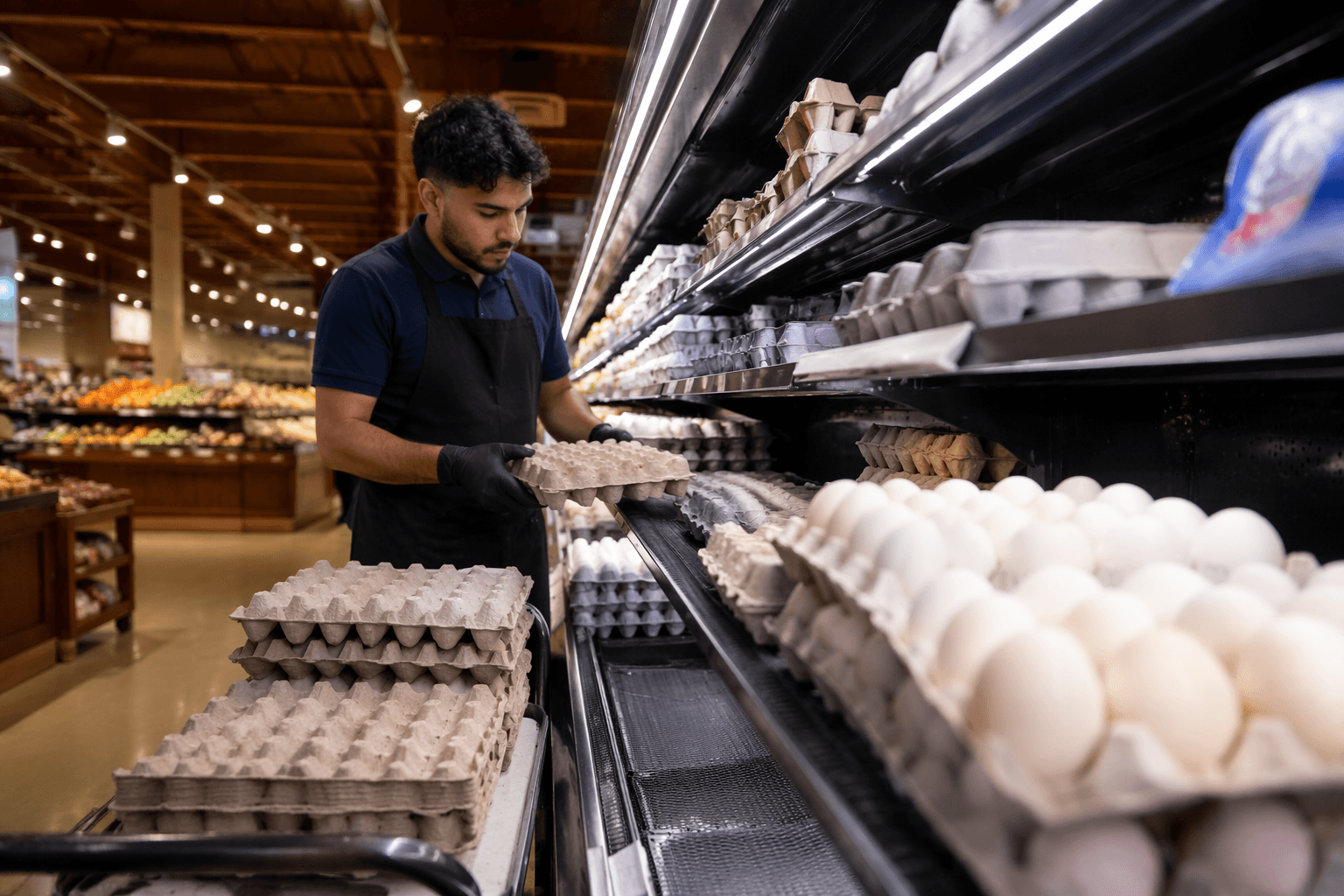
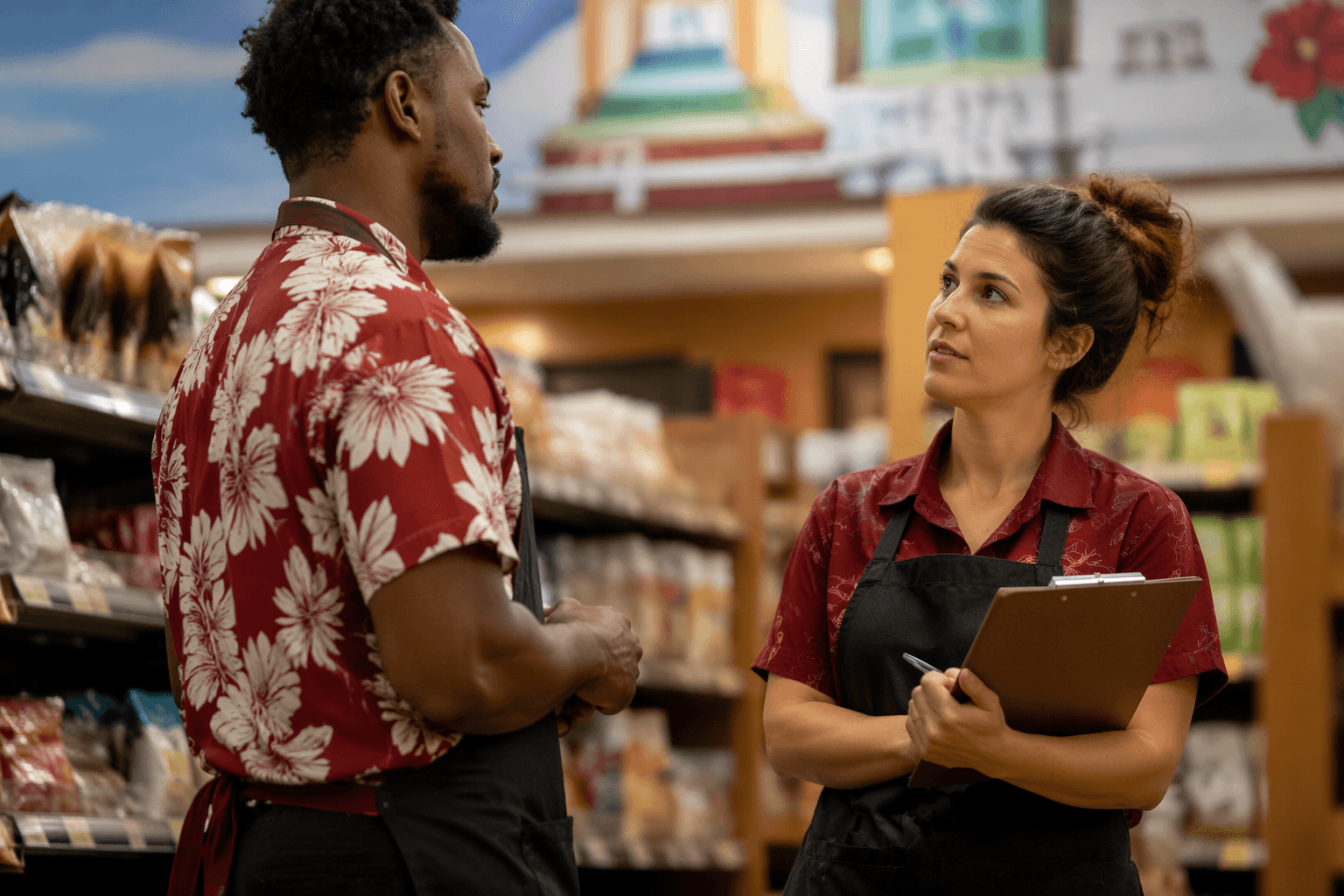
For Trader Joe’s crew members and managers, the immediate issue is less about whether the chain is using surveillance pricing now than about the questions shoppers bring to the register and the aisle. Customers who hear more about algorithmic pricing elsewhere are likely to ask whether a shelf tag means the same thing for everyone, and that puts pressure on crew to explain pricing clearly, answer mistrust without improvising, and keep signage and product explanations consistent.
New Jersey became the second state to move against surveillance pricing after Maryland. Gov. Wes Moore signed Maryland’s Protection From Predatory Pricing Act on April 28, 2026, and Maryland became the first state in the country to ban price manipulation practices driven by surveillance data. Consumer Reports criticized the Maryland version for loopholes and weak enforcement, while the Maryland Retail Alliance eventually dropped its opposition after exemptions were added. Federal lawmakers have also entered the fight: Sens. Ben Ray Luján and Jeff Merkley introduced the Stop Price Gouging in Grocery Stores Act to ban surveillance pricing and price gouging in grocery stores.
The United Food and Commercial Workers International Union launched a national campaign against surveillance pricing and electronic shelf labels on February 13, 2026. It represents 1.2 million workers and warned that digital shelf labels could take work away from workers while leaving them to field customer anger. Trader Joe’s is an outlier in this debate because it has no sales, coupons, loyalty programs or membership cards, and it aims to provide best everyday prices and great quality products.
This article was produced by Prism’s automated news system from verified source data, official records, and press releases, then run through automated quality and moderation checks before publishing. The system is built and supervised by the people who set the standards it runs under. Read our full AI policy.
Did this article answer your question?