NLRB reminds Trader Joe's workers they can discuss wages and working conditions
Trader Joe’s workers can discuss pay, hours and safety with coworkers, and policies that ban wage talk can violate federal law.
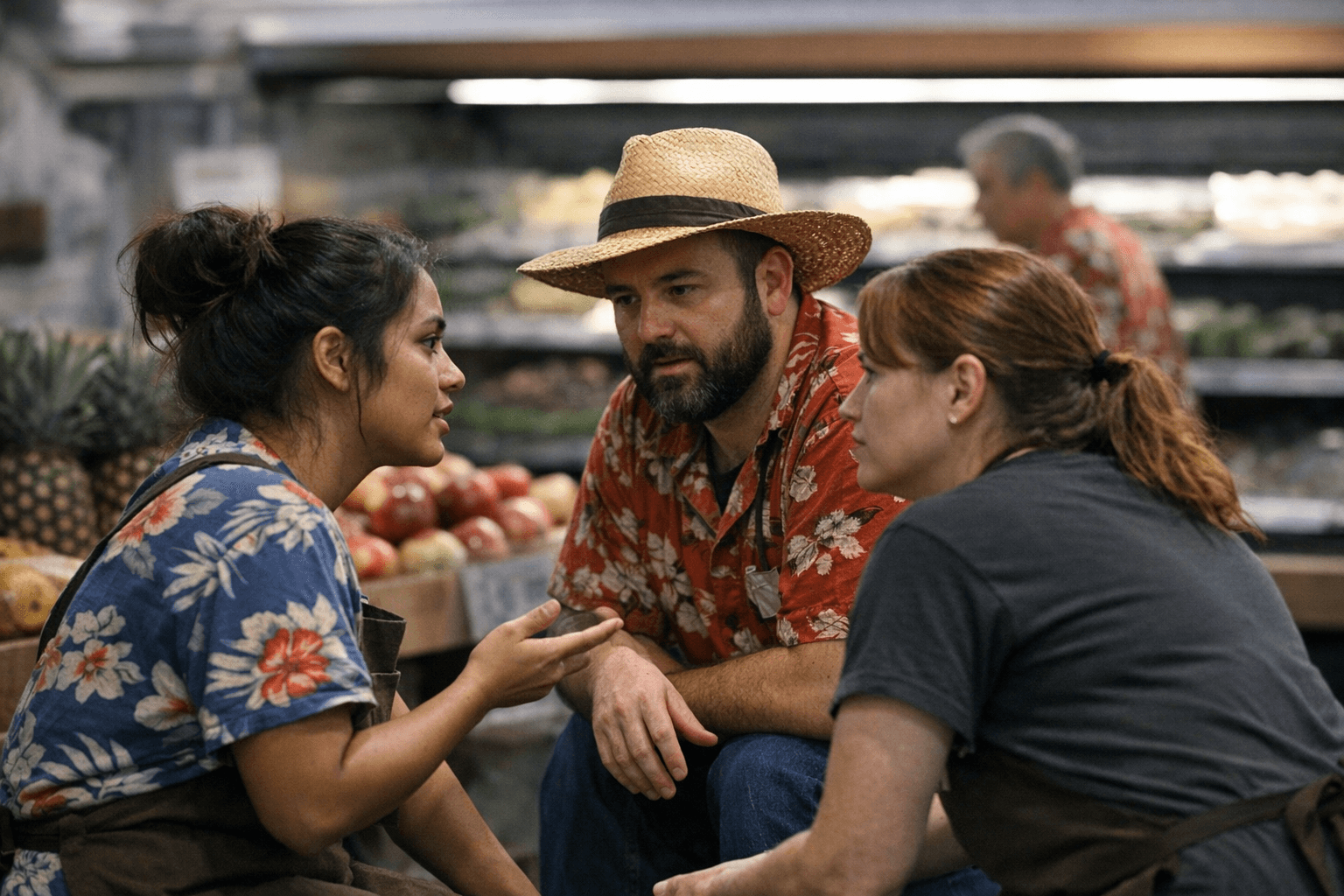
The fear is familiar on the floor: say the wrong thing about pay, hours or staffing, and a manager might call it insubordination. But the National Labor Relations Board says the opposite is true for covered private-sector workers. Employees have the right to talk with coworkers about wages, to speak with labor groups and the public, and to act together to improve working conditions, with or without a union.
That matters at Trader Joe’s because the chain’s culture often leans on open communication and crew empowerment, while the law draws a bright line underneath that culture. The NLRB says policies that specifically ban wage discussion are unlawful, and rules that chill those conversations can also create legal risk. In plain terms, “don’t discuss pay” is not a neutral workplace norm if it is being used to shut down legally protected talk about compensation, hours or safety.
The protections are broader than a casual chat in the break room. Two or more employees can raise a complaint together about better pay, shorter shifts or safer conditions. One worker can also be protected when speaking for coworkers, trying to start group action, or bringing a group complaint to management. Even a petition for more hours or a shared complaint about scheduling can qualify as protected concerted activity. The law also cuts the other way: workers can choose not to join a union or any group effort, and that choice is protected too.
For Trader Joe’s, the issue lands against a real labor backdrop. The chain’s first unionized store came in Hadley, Massachusetts, on July 28, 2022, in a 45-31 vote. Minneapolis followed with a 55-5 union vote in August 2022, and Oakland workers voted 73-53 on April 20, 2023; the NLRB certified that union on April 28, 2023. NLRB records also show a later election in Louisville, Kentucky, and the agency has handled complaints involving alleged removal of pro-union literature in Minneapolis and the closure of a New York wine shop that workers said was retaliatory.
That makes the rights page more than a legal footnote. Trader Joe’s opened 34 new stores in 2024 and had 631 U.S. locations by Jan. 15, 2026, which means these disputes are now playing out across a bigger, more dispersed workforce. For crew members comparing paychecks, pushing for more hours, or deciding whether to organize, the basic rule is simple: federal law protects the conversation long before it becomes a union campaign, and management policies cannot legally erase that floor.
This article was produced by Prism’s automated news system from verified source data, official records, and press releases, then run through automated quality and moderation checks before publishing. The system is built and supervised by the people who set the standards it runs under. Read our full AI policy.
Did this article answer your question?