NYC proposal would cap self-checkout baskets, require more staff oversight
NYC’s proposed self-checkout limits could push more shoppers back to staffed lanes, reinforcing Trader Joe’s people-first front end in dense urban stores.
A New York City proposal would tighten the rules around self-checkout in a way that could send more shoppers back to staffed lanes, a shift that may end up favoring stores like Trader Joe’s, where the front end has always been built around people, not kiosks.
Intro 729 would cap self-checkout baskets at 15 items and require one employee for every three self-service checkout kiosks in pharmacies and food retail stores. The bill, introduced by Council Member Amanda Farías and first filed on March 10, 2026, would also allow civil penalties starting at $100 per affected employee or store location, with fines increasing if the violation continues.
The proposal is part customer service policy and part loss-prevention strategy. Supporters of tighter oversight say fewer workers around self-checkout can mean more theft, less protection for shoppers, and more strain on the employee left to supervise several lanes at once. New York City is not moving alone: Rhode Island and Long Beach have already taken steps toward tougher self-checkout rules, and retailers across the grocery business are adjusting lane counts and technology plans as lawmakers take a harder look at the format.
For Trader Joe’s, the debate lands in familiar territory. The chain has long leaned into staffed checkout, bagging help, conversation, and crew-led service instead of a machine-heavy front end. Jon Basalone, the company’s president and CEO, said in 2023 that Trader Joe’s believes in people and is not trying to eliminate crew members for efficiency’s sake. The company has also said it does not plan to add self-checkout in its stores.
That stance looks more relevant as self-checkout becomes more common across grocery. One industry report cited by Retail Brew said self-checkout accounted for 55% of grocery checkout transactions in 2022, a level that has made the format a central part of front-end labor planning. If New York City and other markets keep tightening the rules, stores that compete on speed and friendly service may need to prove that customer contact is not a drag on efficiency but part of the value proposition.
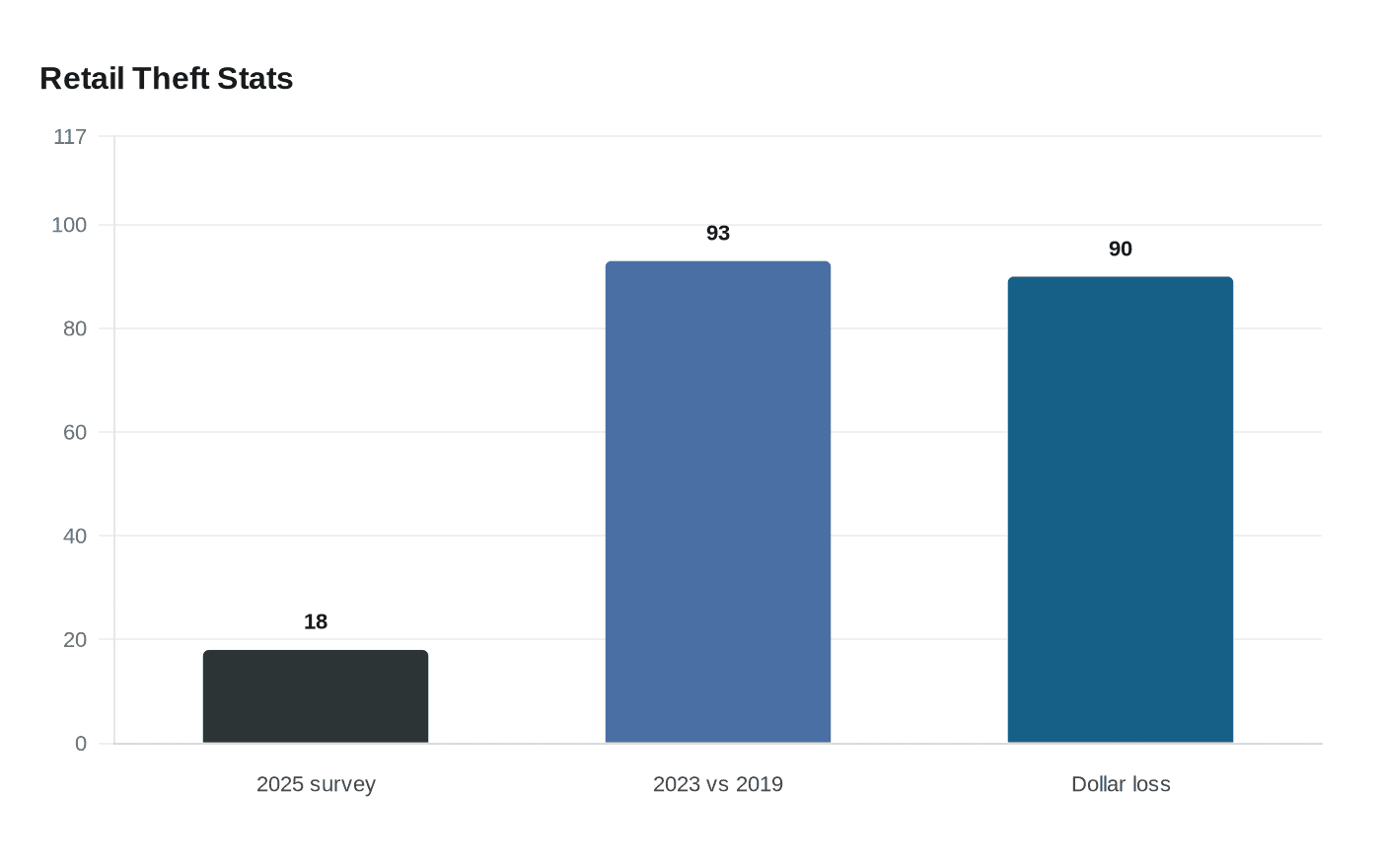
The broader backdrop is theft. The National Retail Federation said in October 2025 that surveyed retailers reported an 18% increase in the average number of shoplifting incidents per year. In December 2024, the group said retailers saw a 93% increase in average shoplifting incidents in 2023 versus 2019, along with a 90% jump in dollar loss from shoplifting. Those numbers help explain why lawmakers are trying to put more eyes on the front end. For Trader Joe’s crews, the message is less about replacing labor than about how visible, well-staffed checkout may become an even bigger competitive advantage.
Know something we missed? Have a correction or additional information?
Submit a Tip