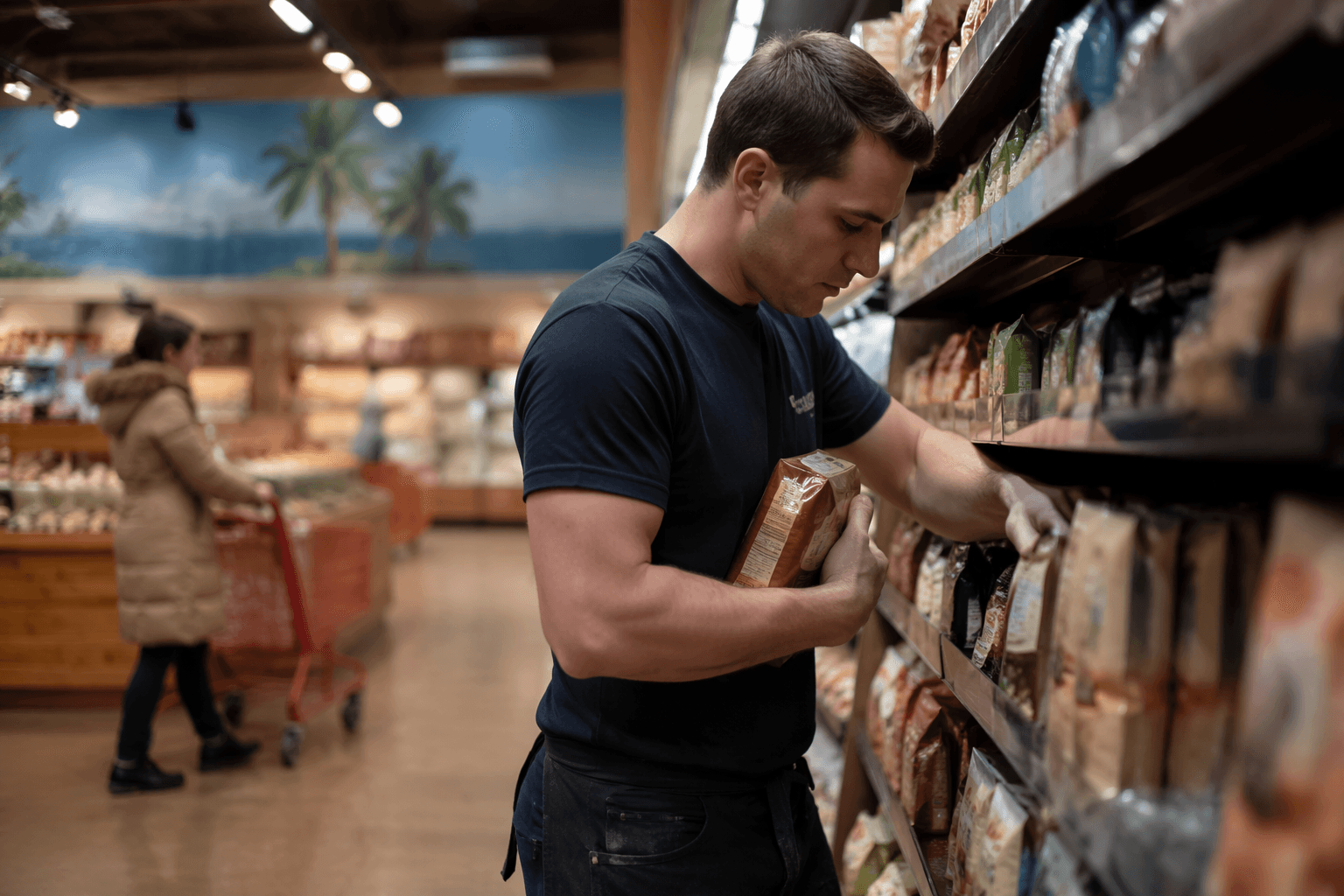
NYC self-checkout bill could reshape Trader Joe’s front-end staffing
NYC’s self-checkout bill would force more visible supervision at the front end, with a 15-item cap and one worker for every three kiosks.
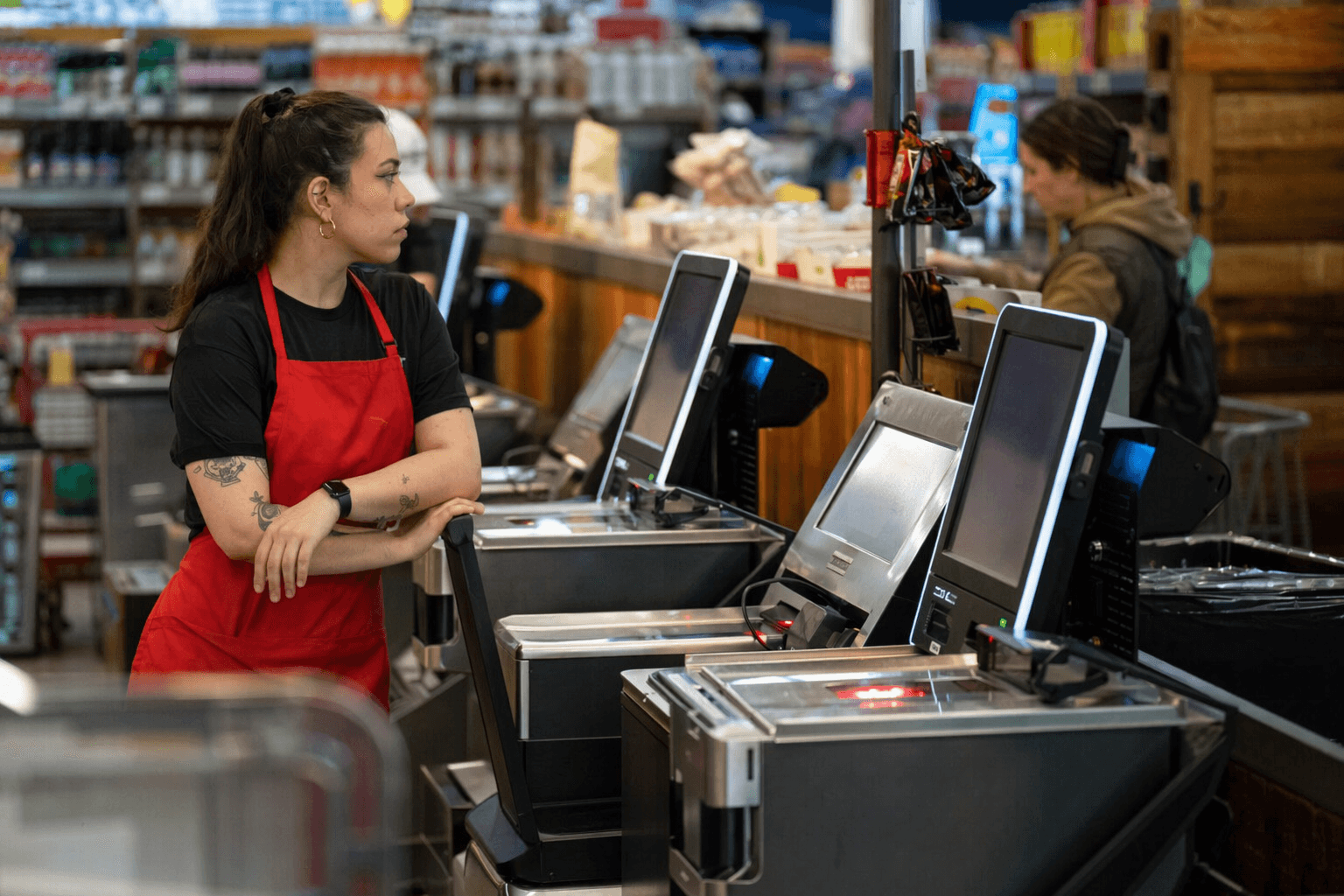
The biggest shift for Trader Joe’s crews is not the politics of self-checkout itself. It is the labor math at the front end: a 15-item cap and a requirement for at least one employee watching every three self-checkout lanes would make staffing, supervision and line flow a daily operational issue in busy city stores.
Under the proposal, shoppers in New York City supermarkets and pharmacies would be limited to 15 items at self-checkout, and stores that failed to comply could face fines of at least $100 a day. Coverage also said the rule would apply across the five boroughs and would require one employee for every three kiosks. In practical terms, that means a store manager would need more visible coverage around the self-checkout zone, not just a cashier nearby in case of trouble. It would also mean more attention to who gets routed to a staffed lane, how quickly carts are pushed through, and how much labor is kept on the floor just to supervise machines.
For Trader Joe’s, the comparison is revealing because the chain has already taken a different path. In 2023, CEO Bryan Palbaum and president and vice CEO Jon Basalone said the company had no plans to add self-checkout kiosks and framed the brand as committed to a people-first model. Basalone’s point was simple: Trader Joe’s believes in people and is not trying to replace crew members for efficiency’s sake. That stance has long matched the way many stores already run, with crew members handling checkout, bagging and customer flow in one tightly managed front-end system.
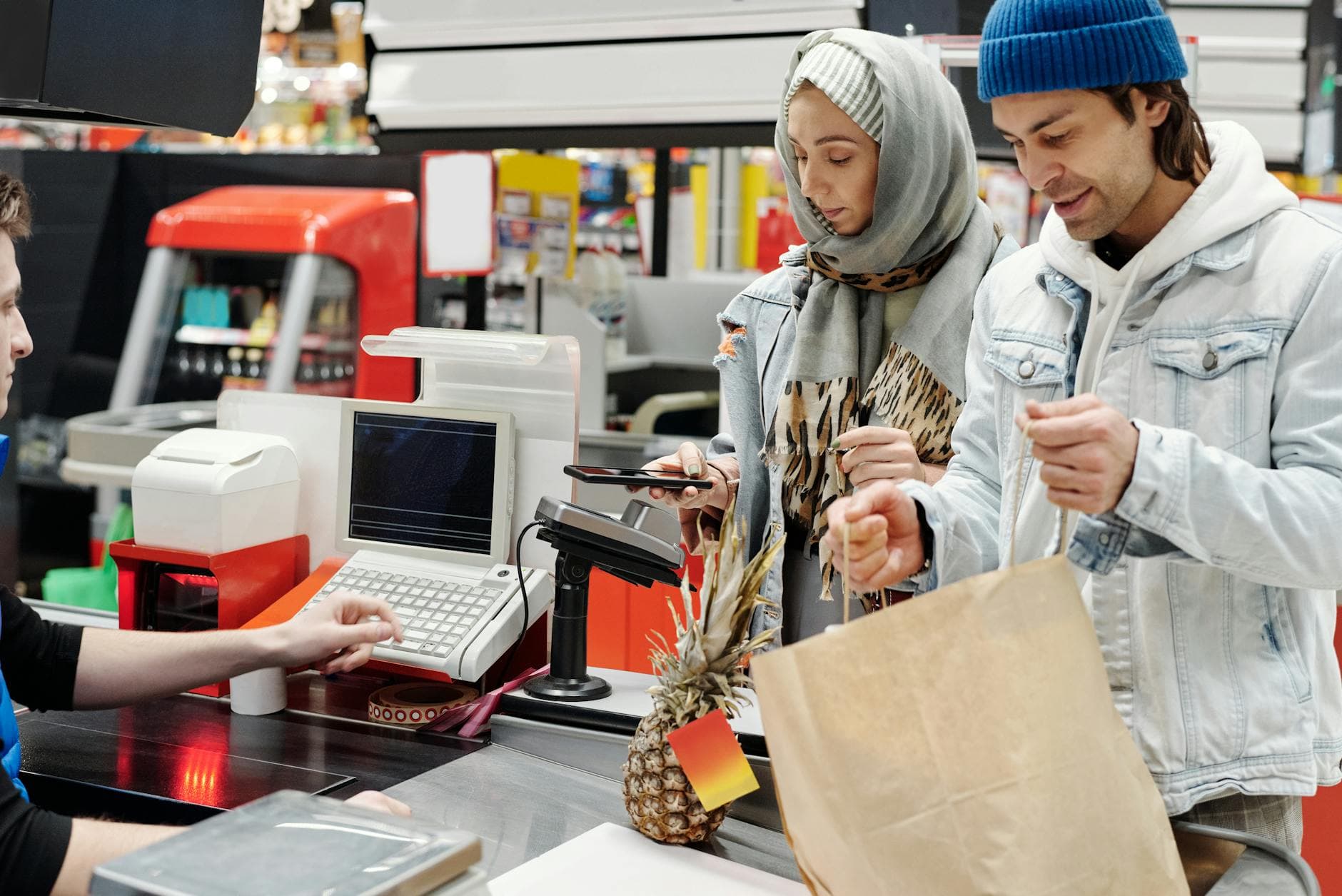
The New York proposal lands in the middle of a wider retail backlash over shrink, labor and customer experience. Progressive Grocer cited Grabango research saying nearly 7% of self-checkout transactions involve at least some partial shrink, and another estimate put self-checkout losses at 3.5% of sales, far above staffed lanes. Those numbers help explain why the debate has moved beyond convenience and into supervision. Every extra kiosk without an employee nearby can turn into more shrink risk, slower intervention and more pressure on the workers left to police it.
The bill was introduced by New York City Council Majority Leader Amanda Farías, who represents the Bronx’s District 18. If it advances, it would push chains with heavier self-checkout reliance toward a more labor-intensive front end, while Trader Joe’s would stand as an outlier already aligned with the direction regulators are now signaling: checkout should be supervised, not merely automated.
This article was produced by Prism’s automated news system from verified source data, official records, and press releases, then run through automated quality and moderation checks before publishing. The system is built and supervised by the people who set the standards it runs under. Read our full AI policy.
Did this article answer your question?