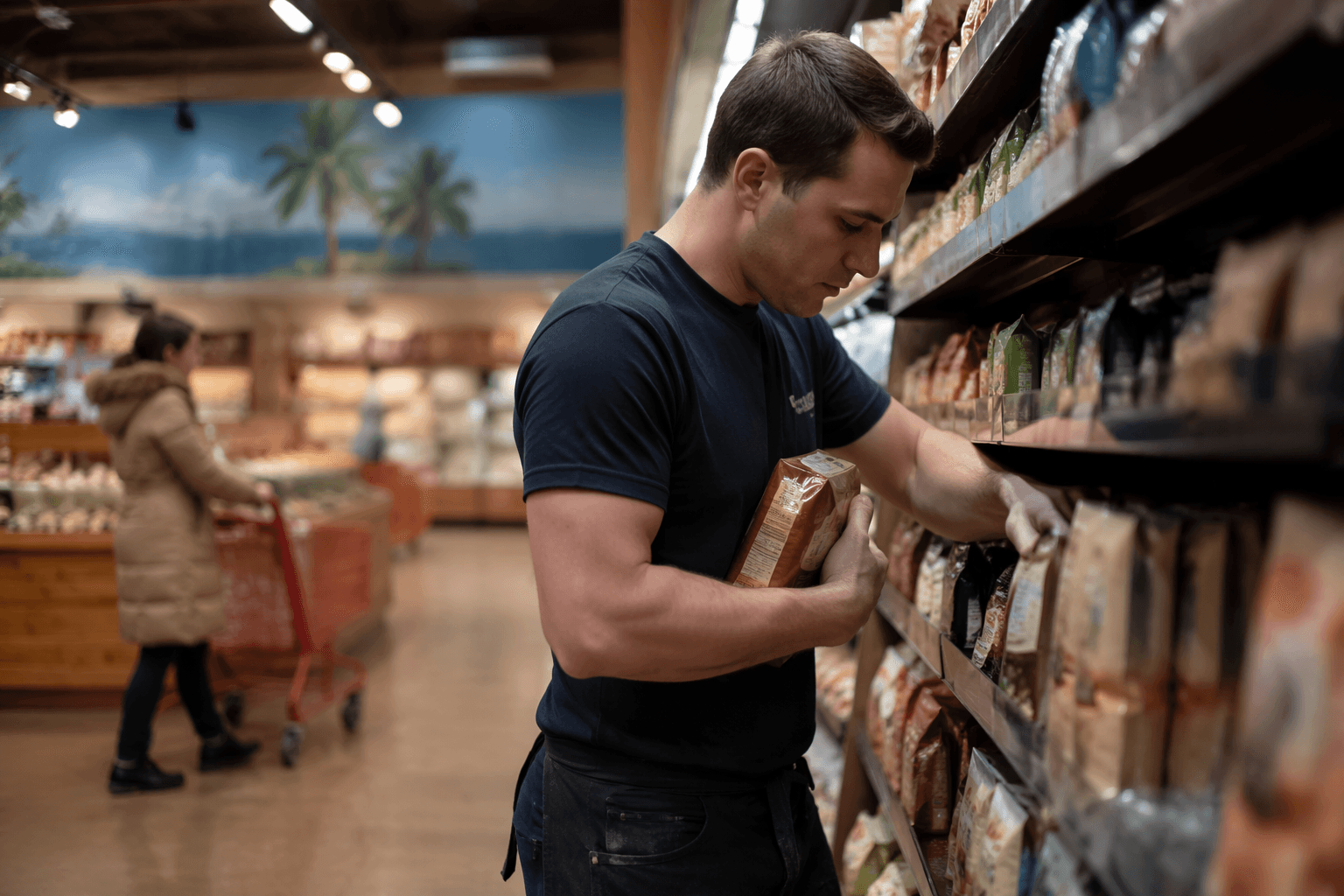
Trader Joe's shrink battle hinges on store-level operations, not theft
Trader Joe's shrink fight is won in the aisle, the backroom, and the count sheet. The biggest leak is usually sloppy execution, not shoplifting.
The real shrink fight starts with the daily routine
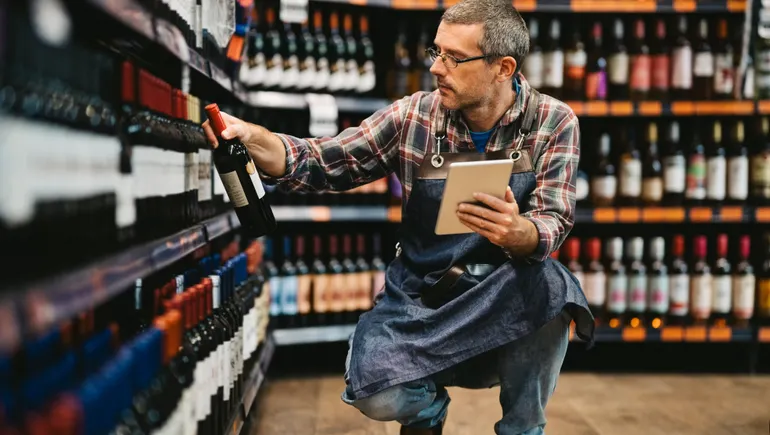
If you want to cut shrink at Trader Joe’s, start with the boring work: accurate counts, tight rotation, clean handoffs, disciplined ordering, and fast recovery on the sales floor. The deeper point from the latest retail coverage is blunt: store-level inefficiencies do more damage to inventory than the crimes that dominate social media and policy talk. That means shrink is not just a loss-prevention issue. It is an operations issue, and the crew routines that protect product also protect service.

That matters at Trader Joe’s because the company has built its brand around a very specific promise, transforming grocery shopping into a welcoming journey full of discovery and fun since 1967. The stores are the place where that promise lives or dies. Trader Joe’s also says merchandising, marketing, operations, human resources, information technology, and finance all support the stores, which is a useful reminder that the front end is only as strong as the systems behind it. If the count is wrong, the shelf is wrong. If the shelf is wrong, the customer experience slips, and shrink rises with it.
Why theft gets the headlines, but operations do more of the damage
A Grocery Dive deep dive published on Aug. 1, 2025 makes the central myth-busting case here: inefficiencies inside the store cause more inventory loss than organized retail crime. That does not mean theft is imaginary. It means theft is only one piece of a larger leak that also includes pricing mistakes, promotion execution problems, bad labor deployment, poor stock handling, and weak inventory accuracy after retailers eliminate nonessential jobs.
For store leaders, that is the practical takeaway. A good shrink conversation should not begin and end with cameras and shoplifting. It should ask whether the team is facing product correctly, rotating stock consistently, clearing damaged items quickly, and keeping the backroom aligned with what is actually on the floor. When those basics slip, losses can hide inside routine work long before anyone notices a missing case or a blown inventory count.
The surprising stat that should change how you talk about shrink
Here is the stat that should travel well beyond the break room: FMI says 46% of shoppers noticed some products were not available in grocery stores in the early weeks of the pandemic. FMI also says grocers invested $24 billion to keep stores open and employees and customers safe during that period. Put those two numbers together and the lesson is hard to miss: when the system gets stressed, availability problems become highly visible, and the cost of keeping product moving can be enormous.
FMI’s supply-chain fact sheet adds another layer that crew members feel directly. Labor shortages, transportation shortages, extreme weather, and other disruptions can make it harder for grocers to keep shelves stocked and prices low. That is not just a macroeconomic footnote. It is one reason a store with sloppy handoffs, delayed rotation, or weak ordering discipline can drift into shrink even when theft is not the main problem.
What Trader Joe’s operations model makes more important
Trader Joe’s fresh and deli operation raises the stakes further. Supermarket News reported that the company is leaning into daily production, frequent deliveries, and decentralized store ordering in those departments. That model can help stores stay flexible and keep refrigerated cases stocked, but it also makes execution more demanding. The more often product moves, the more chances there are for miscounts, mis-rotations, spoilage, and missed communication between the backroom and the floor.
For crew and managers, this is where shrink prevention becomes a habit, not a campaign. A store that wants to protect margin has to do the unglamorous things well, every day:
- Face product so customers can actually see what is there.
- Rotate stock so older product moves first.
- Reconcile counts before small mistakes become big ones.
- Keep damaged product separated and documented quickly.
- Make sure receiving, stocking, and floor shifts hand off cleanly.
- Treat ordering as a live process, not a guess made in the dark.
These are not abstract best practices. In a decentralized environment, they are the difference between a shelf that looks full and a shelf that is actually accurate.
Why the company’s store-by-store structure makes this a leadership issue
Trader Joe’s says every store manages its own Neighborhood Shares program with local nonprofit partners. That detail says a lot about how the company works. The stores are not just endpoints for a centralized machine. They carry local responsibility, local judgment, and local execution. That kind of autonomy can be an advantage, but it also means store leaders cannot blame shrink on corporate abstractions when the real issue is inside the building.
It also matters that the company’s own careers language describes support functions like operations, HR, IT, and finance as backing up the stores. In practice, that means the store is not a passive recipient of policy. It is the place where policy becomes reality. If a manager wants fewer shortages, fewer damages, and fewer surprises on the count sheet, the answer is usually tighter routines and better staffing, not a louder theft narrative.
The broader retail backdrop still matters, but it is not the whole story
The National Retail Federation’s 2025 retail theft and violence report, based on an online survey of 70 retail companies representing 168 brands and conducted from June through August 2025, shows that theft and violence remain major concerns for retailers. That part of the story is real. But the existence of a serious theft problem does not erase the operational one. In fact, the two often overlap, because a store that is understaffed, poorly sequenced, or inconsistent on process gives every loss channel more room to grow.
For Trader Joe’s, the lesson is not to pick one villain and ignore the rest. The better reading is more uncomfortable and more useful: shrink lives in the seams between labor, ordering, rotation, pricing, and floor execution. The stores that get those seams right will usually protect both the customer experience and the bottom line. The ones that do not will keep telling themselves a theft story while the bigger losses keep coming from inside the building.
This article was produced by Prism’s automated news system from verified source data, official records, and press releases, then run through automated quality and moderation checks before publishing. The system is built and supervised by the people who set the standards it runs under. Read our full AI policy.
Did this article answer your question?