Publix chairman Todd Jones retires, spotlighting internal promotion pipeline
Todd Jones’s 46-year rise from front-service clerk to chairman shows how a grocery ladder can reach the boardroom, a lesson Trader Joe’s crew should watch closely.

Todd Jones is stepping down as executive chairman of Publix on May 31, 2026, ending a 46-year climb that began in 1980 as a front-service clerk and ran through store manager, district manager, regional director, vice president, senior vice president, president, CEO, and executive chairman. Publix said Jones will remain chairman of the board, a sign that the company wants continuity as much as change.
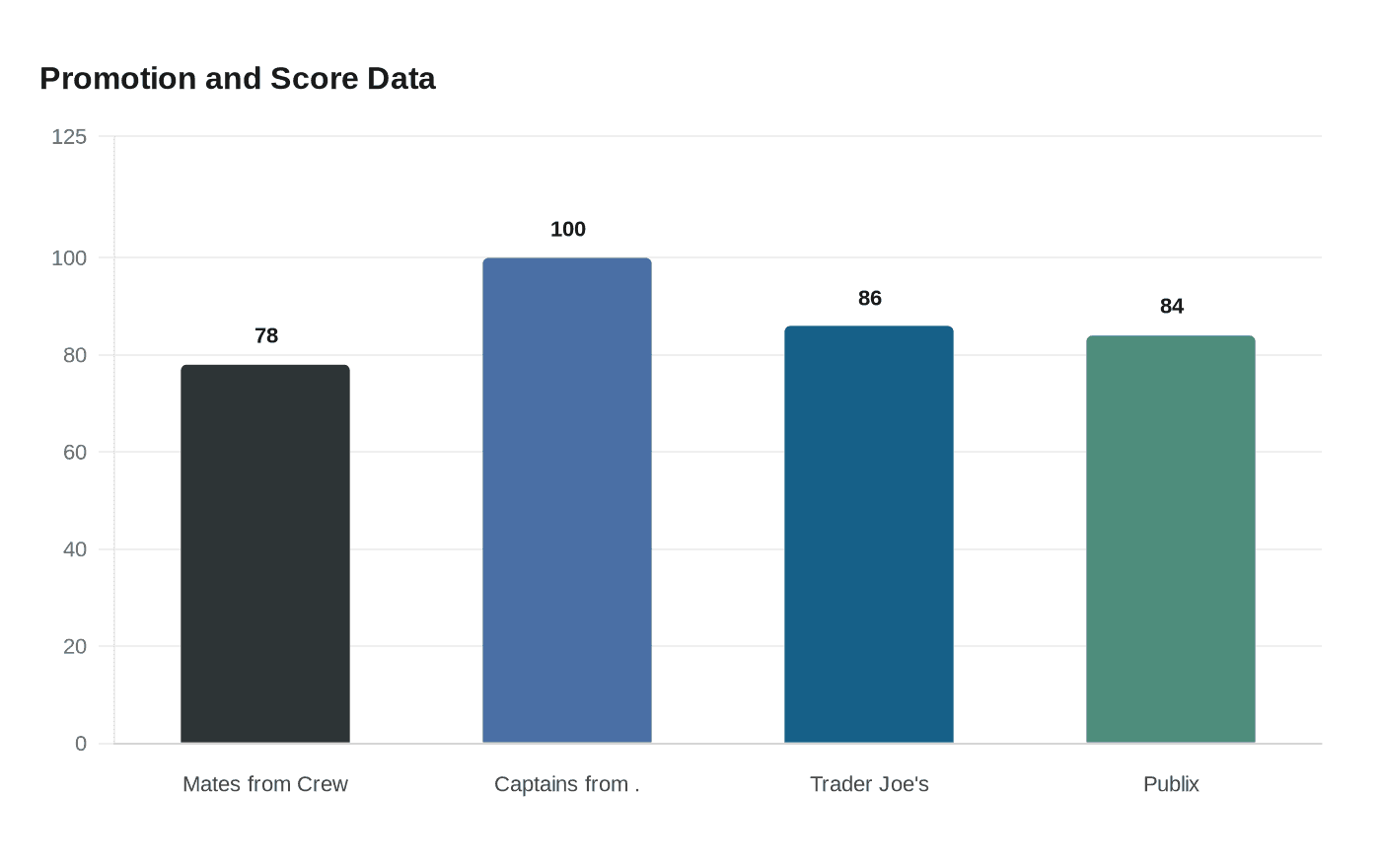
That kind of handoff matters far beyond Lakeland, Florida. For Trader Joe’s crew and managers, Jones’s career is a live example of what a real internal-promotion pipeline looks like when a company invests in people for decades, not just quarters. Trader Joe’s says its Captain, the store leader, is always promoted from within and comes out of the Mate role. The company says 78% of Mates started as Crew and 100% of Captains were promoted from Mate, with stores led from the floor rather than a back office.
Those details are more than culture copy. Trader Joe’s also says Crew members get performance reviews twice a year and can average 7% annual increases, a useful marker for how the company rewards loyalty and execution. If leadership succession is working, those are the store-level promises that should hold up: fair advancement, clear standards, and enough pay movement to make a career feel real. If they slip, the gap between branding and practice gets visible fast.
The timing makes the comparison sharper. Trader Joe’s is expanding, with a Woodinville, Washington, store set to open May 15, 2026, after the chain opened more than 30 stores in 2024 and had another dozen in the pipeline for 2025. Current estimates put the chain at roughly 647 U.S. locations as of late April 2026. Growth at that pace puts pressure on service standards, training, and how quickly new leaders are developed from Crew and Mate ranks.
It also lands in a labor climate that has tested Trader Joe’s internal-message credibility since 2022. Trader Joe’s United and other worker groups have accused the company of retaliation and union busting, and the Economic Policy Institute said in January 2025 that Trader Joe’s, Amazon, and Starbucks had crushed worker organizing campaigns. That backdrop makes succession questions more than abstract corporate governance. When a retailer says it grows leaders from within, workers watch whether that same philosophy extends to how it handles pay, scheduling, discipline, and organizing pressure.
The contrast with Publix is telling. Jones’s rise from the sales floor to the top, then into a continuing board role, is the kind of story grocery chains use to argue they build talent for the long haul. Trader Joe’s makes a similar case on its careers pages, and the 2026 American Customer Satisfaction Index rankings put Trader Joe’s first with an 86, ahead of Publix at 84. In a business where customer praise and worker loyalty often travel together, succession is not just a boardroom event. It is a test of whether the company still knows how to grow its next generation from the store up.
Know something we missed? Have a correction or additional information?
Submit a Tip