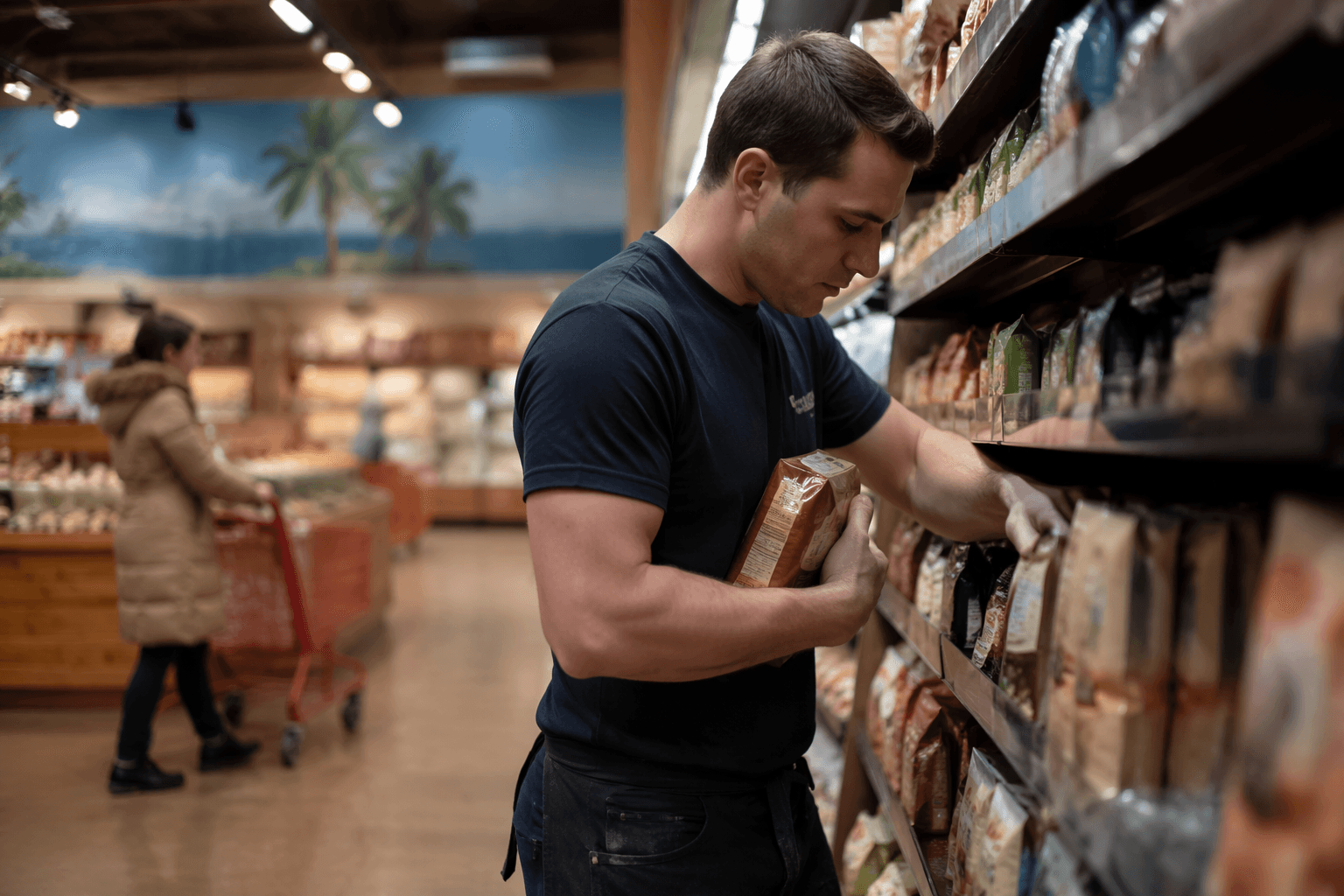
Rhode Island passes first self-checkout staffing ratio for grocery stores
Rhode Island set the first statewide self-checkout staffing ratio, forcing grocery stores to keep one manual lane for every three kiosks and free workers from other duties.
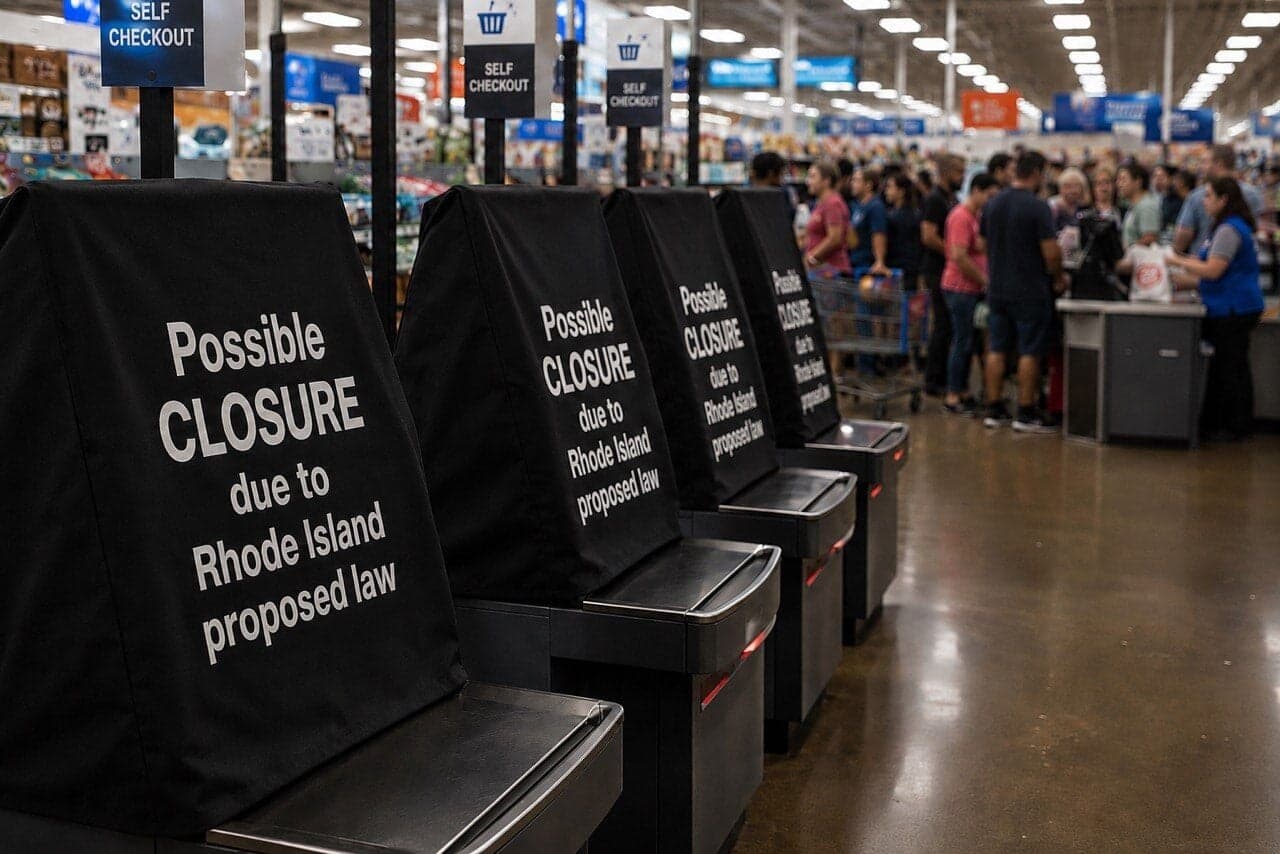
Rhode Island has become the first state to set a staffing ratio for grocery self-checkout, putting a legal floor under how many workers must be on hand when kiosks are running. The new rule requires one manual checkout for every three self-service stations, and it says the worker assigned to monitor those stations cannot be pulled away for other tasks.
The bill, S. 2342 and H. 7290, moved through both chambers in June after lawmakers introduced it in the Senate on January 30, 2026. The Rhode Island House of Representatives passed the companion measure on June 10, the Senate passed a substitute version on June 11, and the Rhode Island General Assembly said the bill was headed to Governor Dan McKee’s desk for signature. Senate President Valarie Lawson and Rep. Megan Cotter were the chief legislative champions, with Senator Matthew LaMountain among the Senate sponsors.
The text goes beyond a simple kiosk limit. Grocery stores with self-service checkout stations must keep at least one manual checkout open for every three self-service stations, and at least one of those manual stations must comply with the Americans with Disabilities Act. The staffing language is just as important: any employee watching self-checkout must be relieved of other duties, a change aimed at making sure one person is not trying to ring, troubleshoot, answer questions and police the lanes all at once.
The United Food and Commercial Workers International Union said Rhode Island retail theft cost the state $17.1 million in lost sales taxes in 2022, and the union said thefts are 16 times more likely at self-checkout than at employee-managed registers. That argument has helped turn a technology fight into a staffing fight, with lawmakers now writing labor expectations into the checkout design itself.
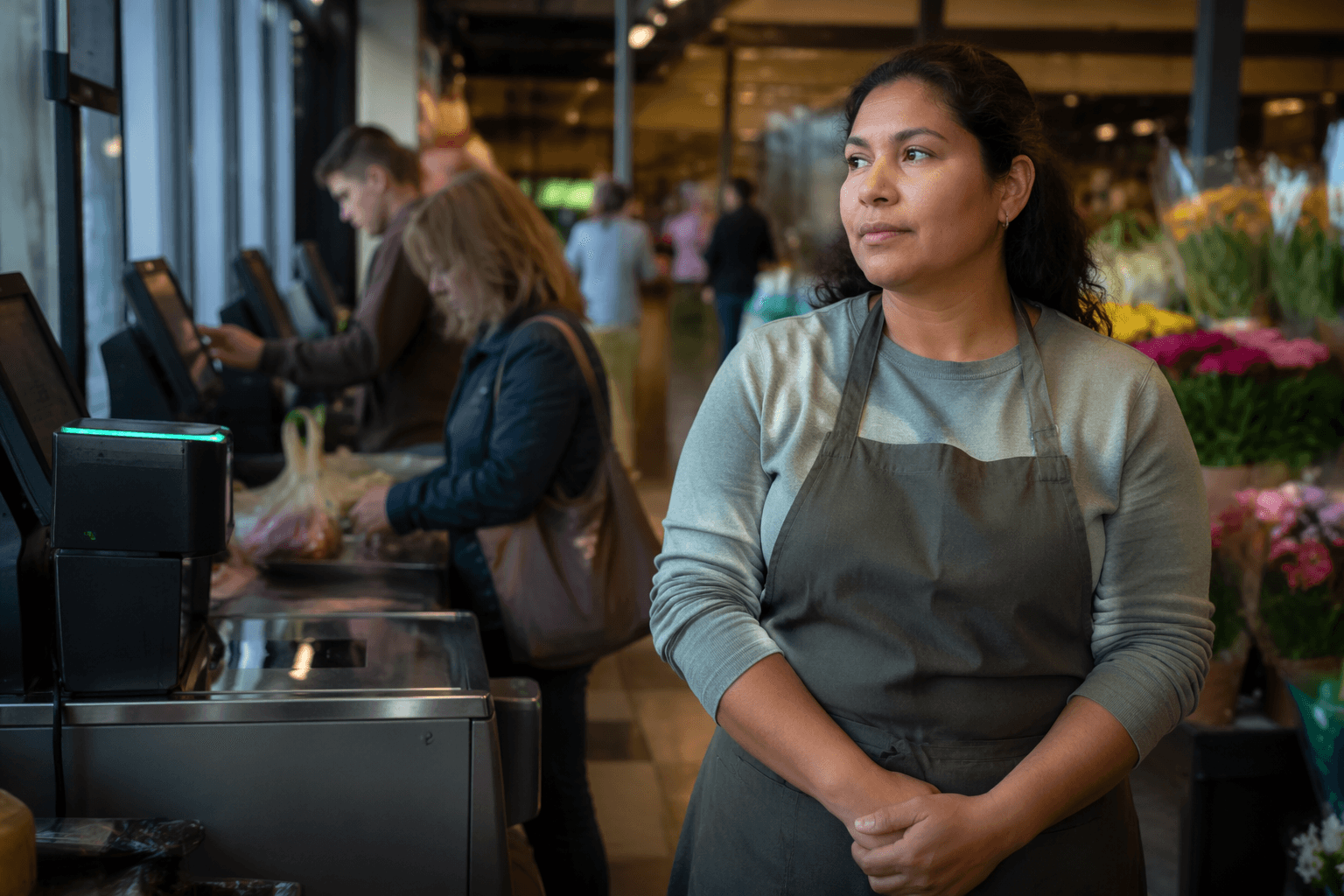
The issue has been simmering for years. Rhode Island lawmakers approved similar self-checkout limits in a 2024 bill, showing that this was not a one-session flashpoint but a debate that has stretched across at least two legislative sessions. The latest version also appears to narrow coverage by potentially exempting pharmacies such as Walgreens and CVS, a move that could ease industry resistance while keeping grocery stores squarely in the spotlight.
For Trader Joe’s crew and managers, the immediate impact is indirect but real. Trader Joe’s executives have said the company has no plans to add self-checkout, keeping its cashier model intact. Even so, Rhode Island’s new standard gives lawmakers a template that could travel, and it reinforces a broader retail question: whether technology should support human service or quietly replace labor on the floor.
This article was produced by Prism’s automated news system from verified source data, official records, and press releases, then run through automated quality and moderation checks before publishing. The system is built and supervised by the people who set the standards it runs under. Read our full AI policy.
Did this article answer your question?