Shoppers cut snacks, but still pay more for fresh groceries
Sixty-one percent of shoppers changed how much food they buy, but 68% still say fresh groceries are worth the extra cost. Trader Joe's lives in that gap.

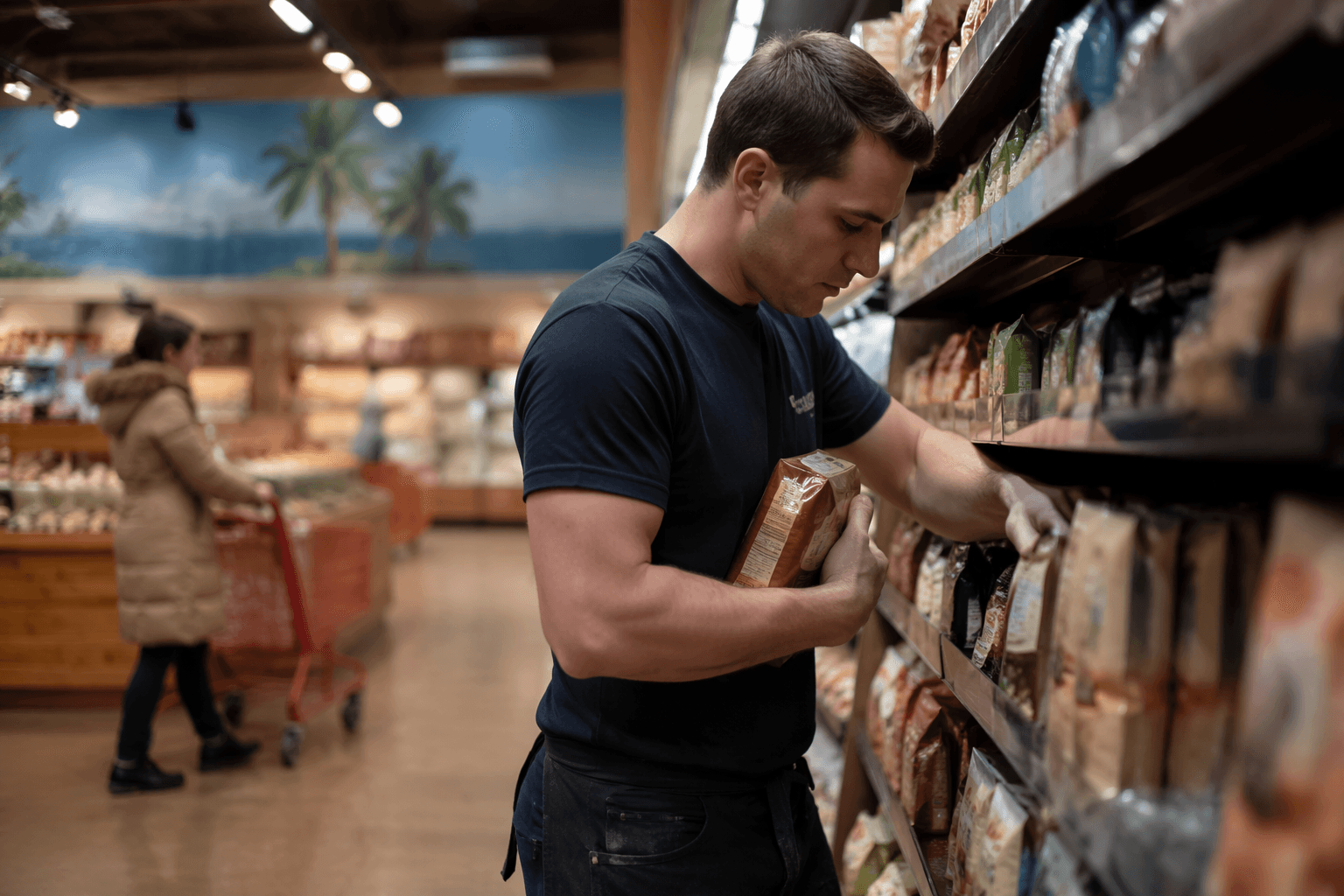
Sixty-one percent of consumers say they have changed how much food they buy because of higher prices, and nearly half have cut snacks and junk food. That split matters on a Trader Joe’s sales floor, where the basket is getting edited item by item rather than abandoned outright.
The RELEX Solutions State of Supply Chain Consumer Pulse survey found 46% of respondents cut back on snacks and junk food, 39% reduced beef purchases and 34% cut back on alcohol. Even so, 68% said fresh groceries are worth paying more for, and 49% said the same about household essentials. For a chain built on sharp assortment and private-label value, that means the strongest items are not necessarily the cheapest ones, but the ones that feel worth the trip.
That value math is getting tougher. The survey found 71% of consumers are more worried about future cost pressures from tariffs, geopolitical tensions and supply chain disruptions. Another 51% said they are stockpiling during promotions, while 40% are shopping discount retailers more often. In other words, shoppers are still spending, but they are watching for reassurance, timing and visible savings before they commit.
Trader Joe’s has leaned into that behavior with a model that prizes curation over breadth. The company’s 17th annual Customer Choice Awards were announced on January 26, 2026, a reminder that shopper preference is part of the brand’s operating system, not an afterthought. Its public product pages also show a Fresh Prepared Foods category with 136 products, a useful sign of how much of the assortment sits in the same fresh-and-convenience lane that consumers are still willing to pay for.
The store base gives those choices more weight. Grocery Dive reported that Trader Joe’s opened more than 30 stores in 2024 and had a dozen more in the pipeline for 2025, while Placer.ai data cited by Supermarket News showed a 4% year-over-year visit increase in 2025. A MediaPost summary of the same visit data said fewer shoppers were visiting other grocery stores before or after trips to Trader Joe’s or Aldi, suggesting those value-driven chains are becoming primary destinations rather than quick add-ons.

That leaves crew members and managers watching the basket in real time: fresh strength, discretionary weakness, trade-down behavior and which value messages keep the trip feeling smart instead of stripped down. A 2025 industry report said U.S. private-label sales reached a record $282.8 billion, up 3.3% from 2024, with growth concentrated in refrigerated foods, beverages, indulgent snacks and wellness items, all territory where Trader Joe’s has a clear lane if it keeps the story focused on freshness and value rather than blanket discounting.
This article was produced by Prism’s automated news system from verified source data, official records, and press releases, then run through automated quality and moderation checks before publishing. The system is built and supervised by the people who set the standards it runs under. Read our full AI policy.
Did this article answer your question?