Stop & Shop cuts prices across New York and New Jersey stores
Stop & Shop cut prices on thousands of items in New York and New Jersey, sharpening the value fight on everyday groceries that Trader Joe’s crews hear about most.
Stop & Shop cut prices on thousands of items across 137 stores in New York and New Jersey, turning up the pressure in a region where shoppers compare grocery baskets fast and often. The reductions rolled out across multiple departments and covered both national brands and private label items, giving the chain a visible price reset on the kinds of everyday purchases that shape a customer’s view of value.
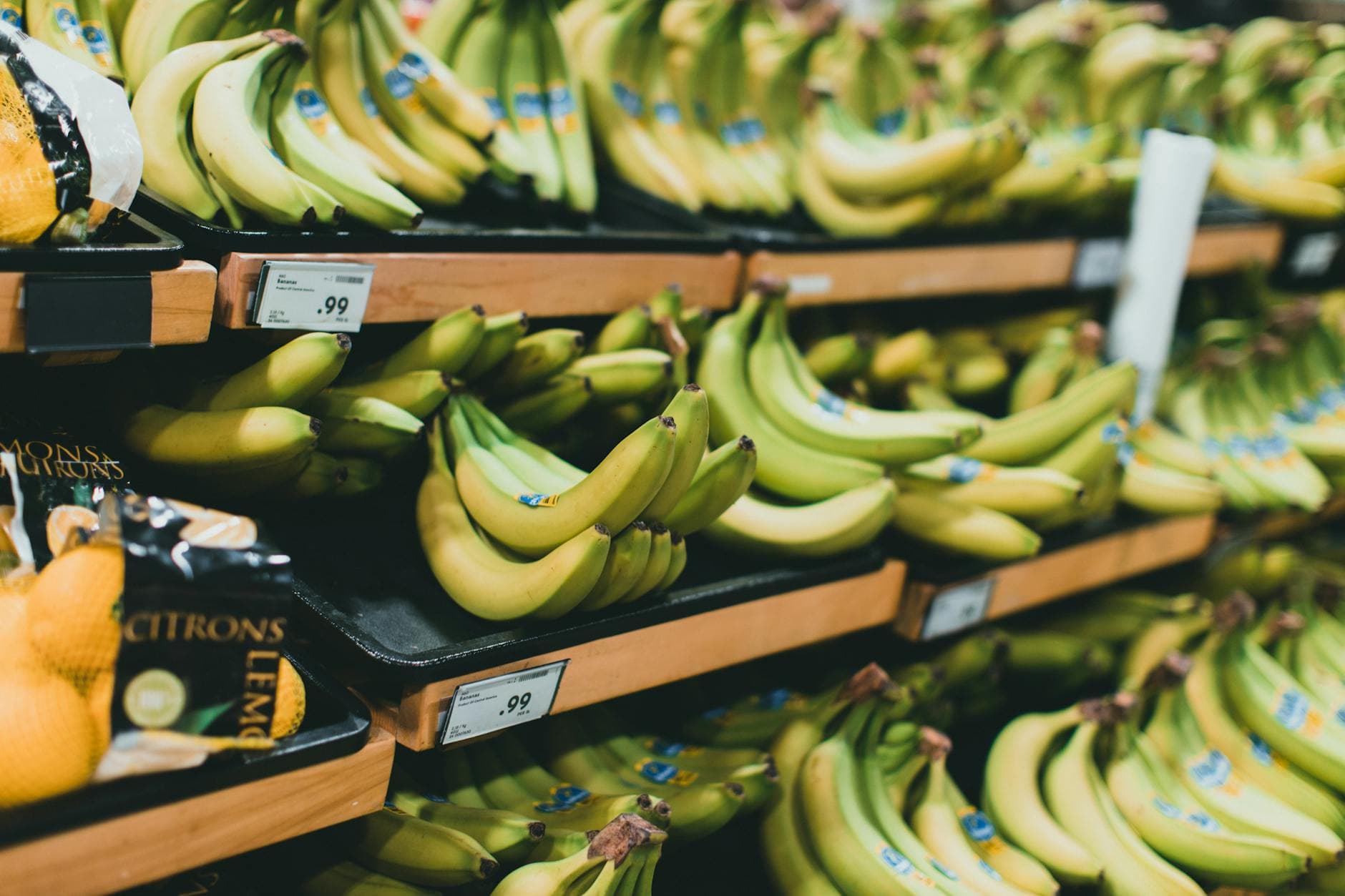
The price cuts were part of a broader campaign that Stop & Shop had already pushed into more than 350 stores across the Northeast. Shoppers were told to look for yellow shelf tags marking reduced items, a simple signal meant to make the lower prices hard to miss at the shelf. In grocery, those small cues matter: if a carton of milk, a bag of snacks, or a pantry staple is flagged as cheaper one week, customers notice when they walk into the next store.
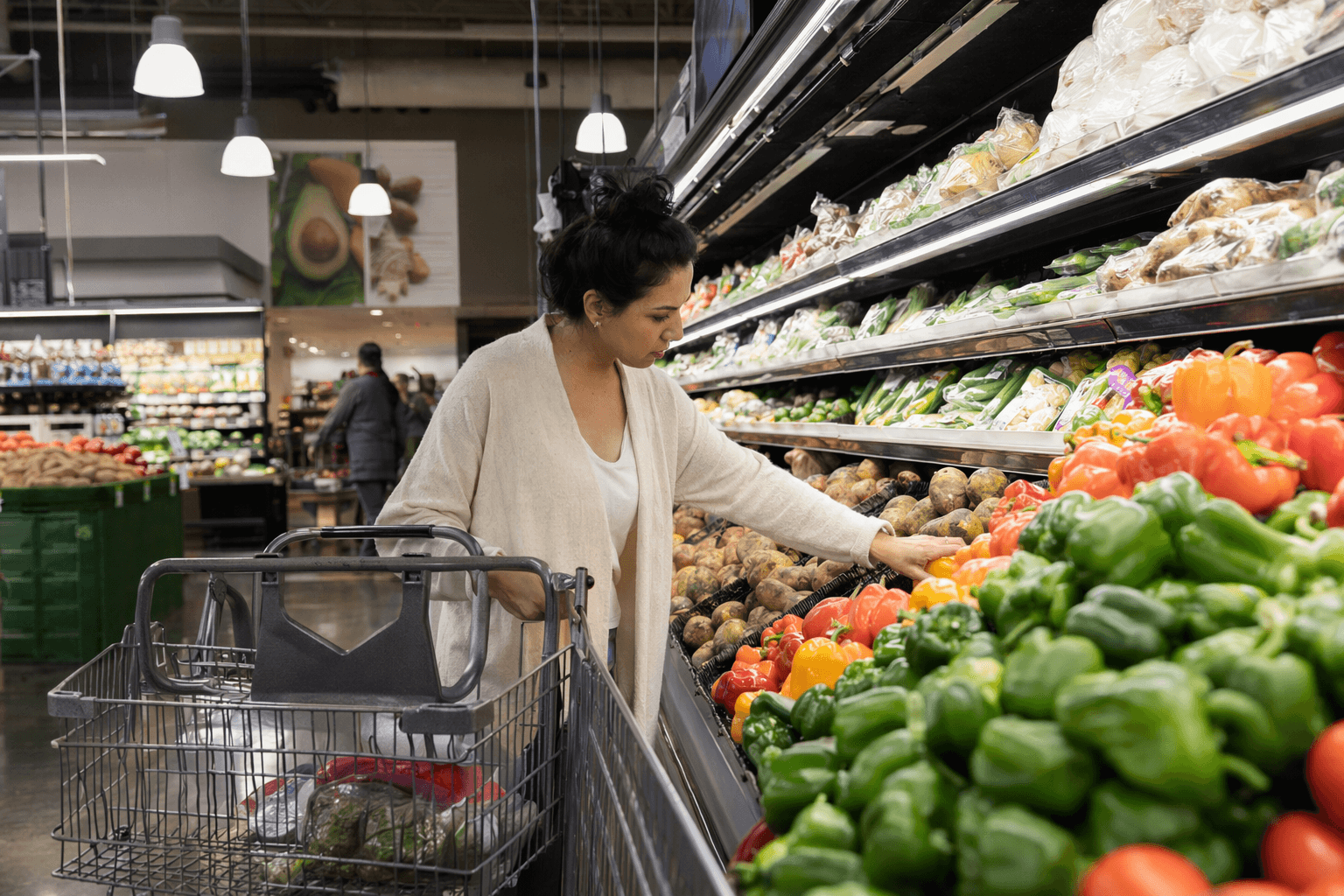
Stop & Shop said the reductions fit into a multiyear strategy it launched in 2024 that also includes store renovations, operational changes, digital coupon kiosks, weekly sales events and Deal Lock pricing on select products for several weeks at a time. That mix shows how conventional supermarket chains are trying to win on more than one front at once. They are not just cutting prices. They are layering price messages across signage, kiosks and promotions to keep shoppers focused on savings.
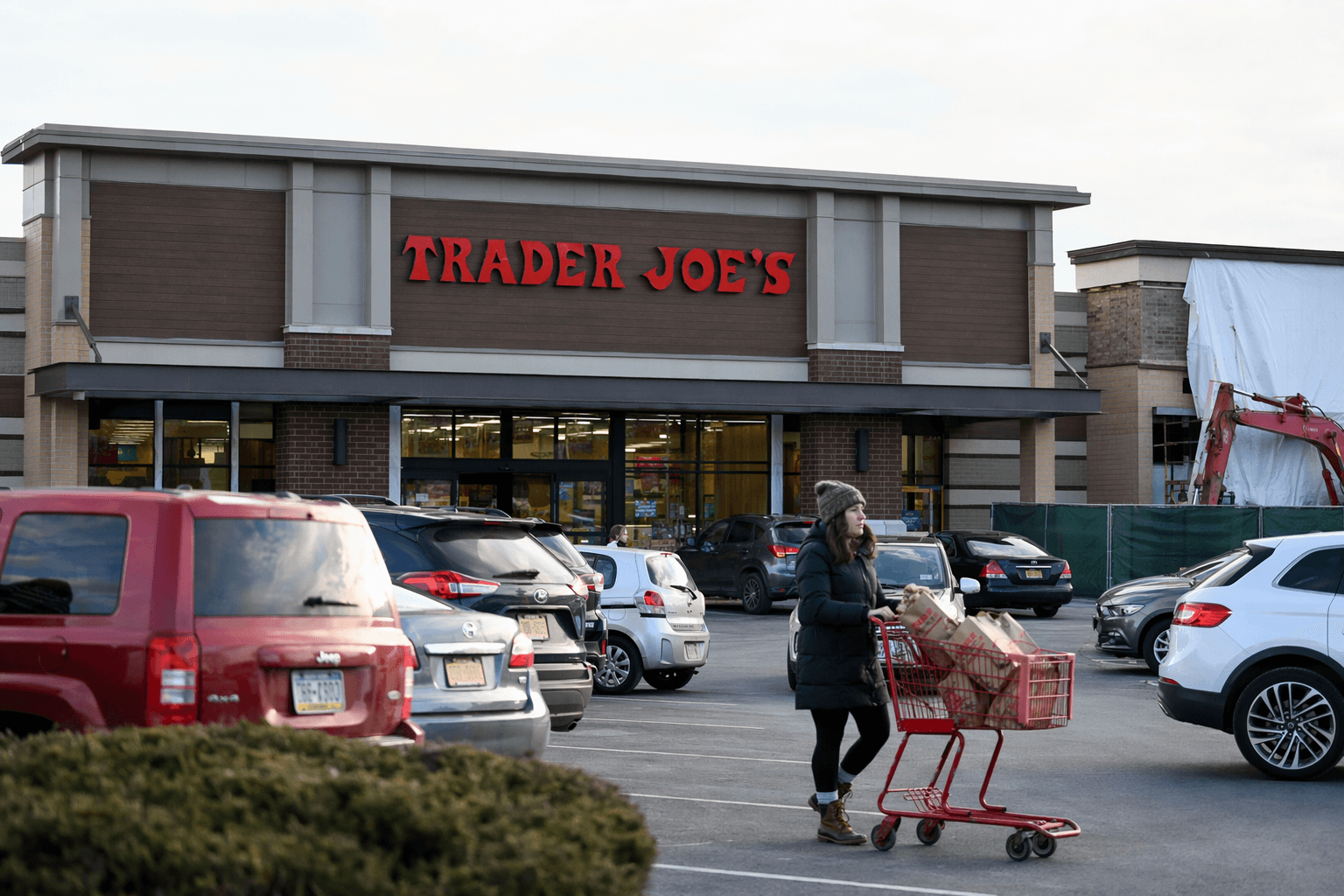
For Trader Joe’s crews, the immediate effect is a sharper conversation at the register and on the floor. Trader Joe’s does not use sales, coupons or loyalty cards, and it leans instead on everyday value, direct sourcing and a no-frills pricing model. That approach can insulate the chain from some promotion-heavy gimmicks, but it also leaves open a harder question on essentials: when a neighboring chain marks down staple items in plain sight, does the customer see Trader Joe’s as cheaper, simpler, or just different?
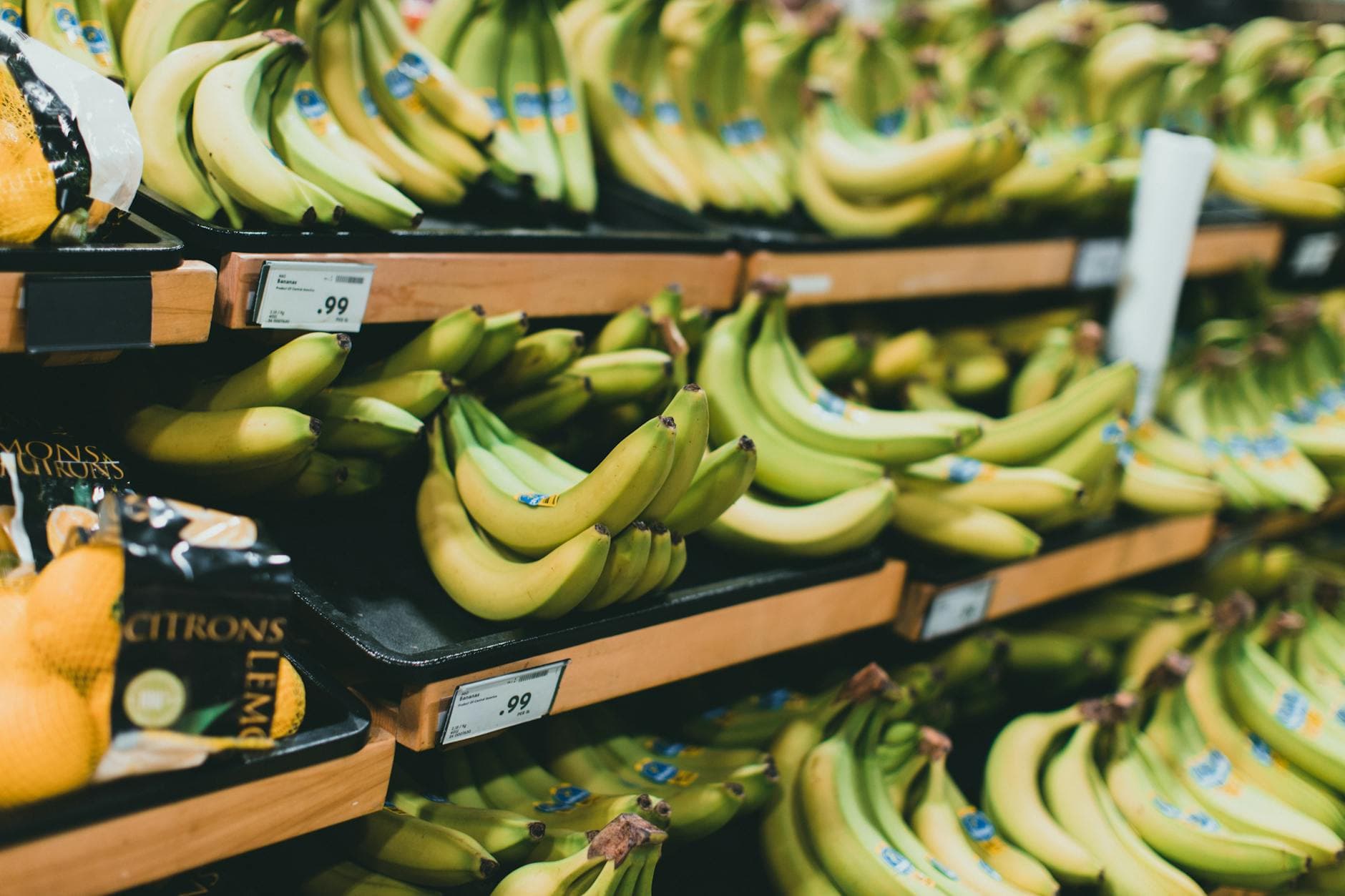
That is where the store-level pressure is likely to show up first. Crew members may hear more questions about the price of everyday-value items and see closer comparison shopping on pantry basics, refrigerated staples and other repeat buys that shape basket mix. In a Northeast market, where price wars are fought one cart at a time, Trader Joe’s value story has to hold up on the shelf, not just in theory.
Know something we missed? Have a correction or additional information?
Submit a Tip