Trader Joe's Alkaline Water Found to Exceed Legal Limits for Radium, PFAS
Independent lab tests found Trader Joe's Alkaline Water contains radium at 5x the legal limit and PFAS at twice the ceiling, scoring just 10 out of 100 for safety.
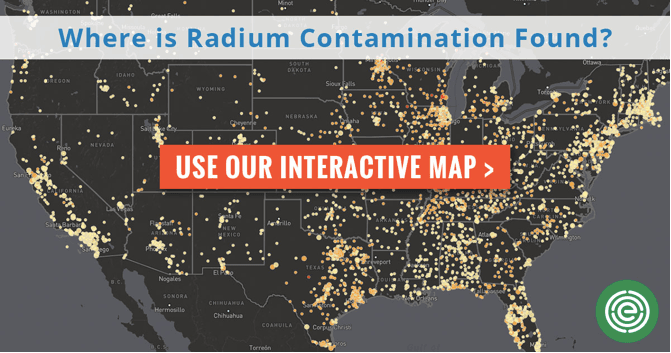
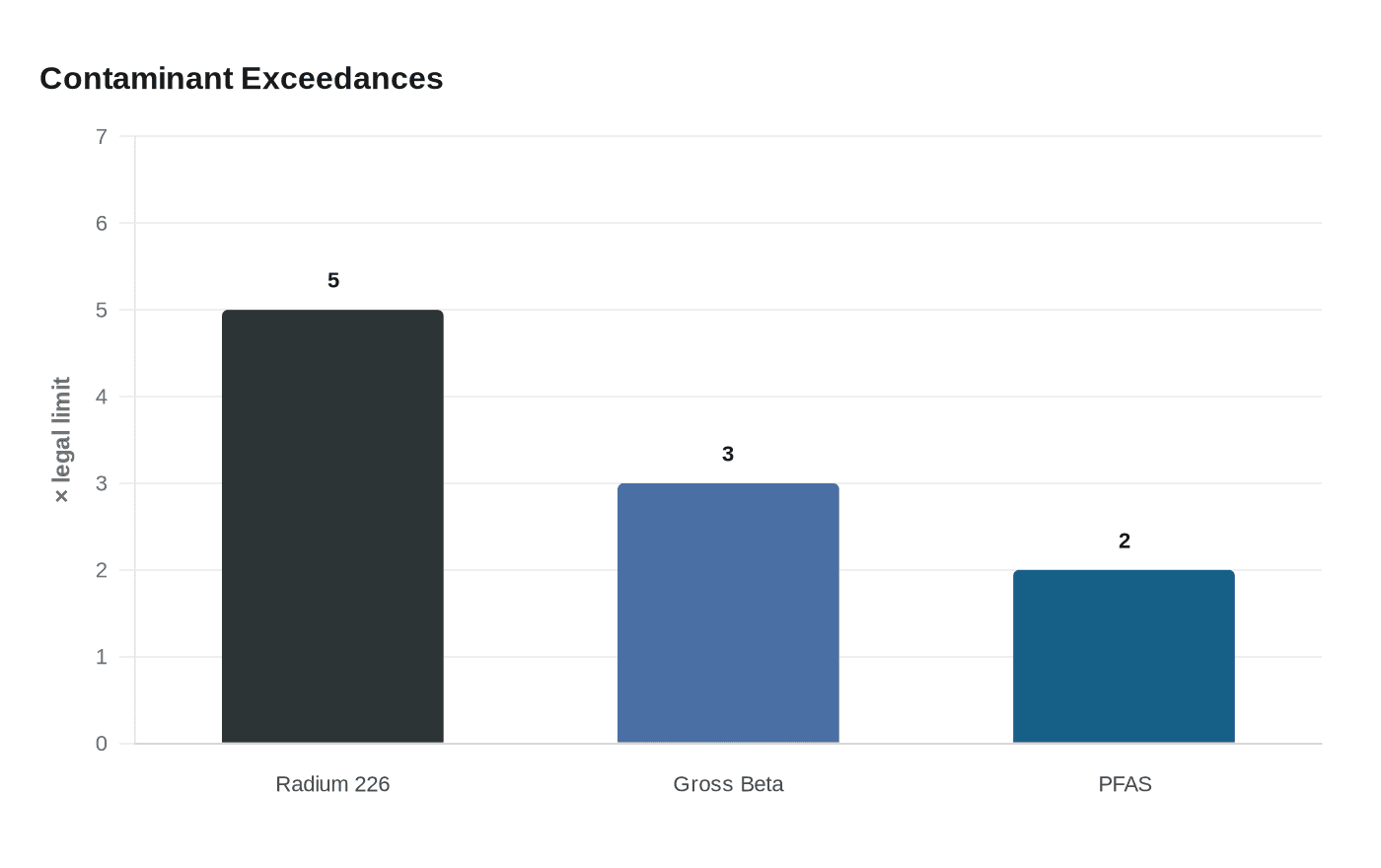
Trader Joe's Alkaline Water + Electrolytes contains radium 226 at five times the EPA's legal limit, gross beta radiation at three times the permissible level, and PFAS at twice the recommended ceiling, according to independent lab testing by Oasis, a science-backed water and filter rating platform. Seven contaminants were detected in total; the product scored 10 out of 100 for overall health and ranked second on Oasis's list of the most contaminated purified bottled waters.
The scale of the exceedances matters. The EPA's Maximum Contaminant Level for combined radium 226/228 is 5 picocuries per liter, established under the Radionuclides Final Rule on December 7, 2000. At that legal threshold alone, the EPA estimates an additional lifetime cancer risk of 1 in 10,000 people; long-term exposure above the limit has been linked to bone, liver, and breast cancer. On PFAS, the Biden-Harris Administration finalized the first-ever national drinking water standard in April 2024 at 4.0 parts per trillion, with the EPA noting that "there is no level of exposure to these contaminants without risk of health impacts, including certain cancers." Compliance isn't required until 2029.
The critical uncertainty is what the Oasis testing doesn't disclose: which production lots were sampled, how many bottles were tested, and whether the results were independently reproduced. A finding this severe warrants confirmation across multiple lots by a second accredited lab or a state public health agency. That gap doesn't neutralize the concern, but it shapes what crew can honestly say to a customer asking whether the product is safe.
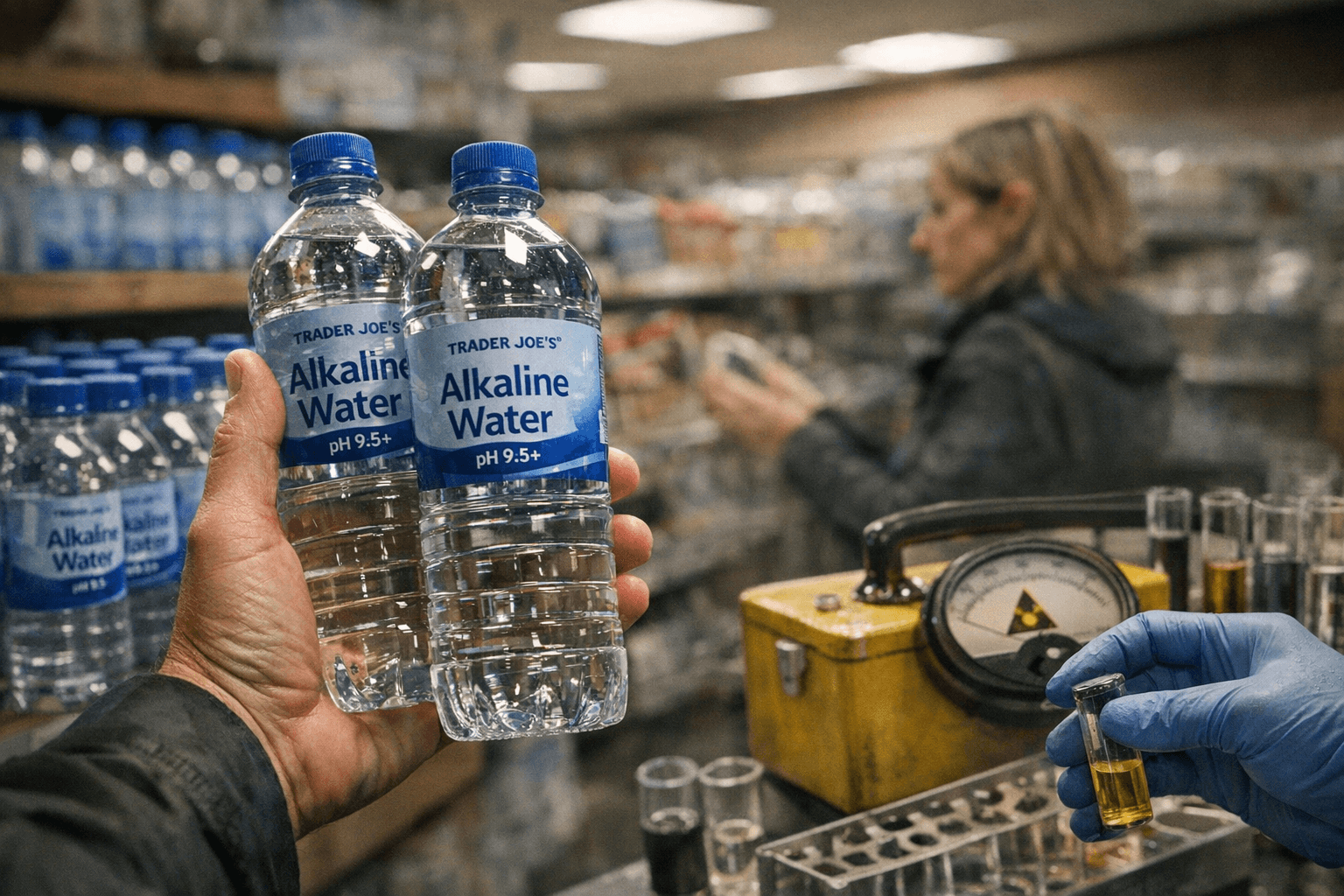
On the floor, the answer to "is it safe?" shouldn't be a flat yes or no. Acknowledge that independent lab testing identified contaminants above legal thresholds and offer a return; Trader Joe's no-questions return policy covers exactly this situation. Escalate anything beyond a standard refund request to the Mate on duty. Customers pressing for an official company position on the contamination findings should be directed to corporate customer relations.
A January 2025 USC Keck School of Medicine study linked elevated PFAS in drinking water to higher rates of digestive, endocrine, respiratory, and mouth and throat cancers. One estimate puts the number of Americans with PFOS or PFOA in their drinking water at roughly 200 million. Oasis's top-rated waters, Icelandic Glacial at 90/100 and Gerolsteiner at 81/100, show how wide the variation across brands actually is.
This isn't Trader Joe's first round with this specific product. In June 2018, a class action lawsuit filed in the Central District of California alleged the Alkaline Water packaging falsely implied superior health benefits over regular water. A federal judge dismissed most claims in November 2018, calling them "mere puffery." That ruling addressed marketing language; it didn't address contamination levels, which is what the Oasis testing raises now.
Know something we missed? Have a correction or additional information?
Submit a Tip