Trader Joe’s candy aisle gets bolder as shoppers chase value and novelty
Trader Joe’s candy case is shifting toward bolder flavors and limited-time treats. For crews, that means more impulse buys, repeat asks, and more products that sell the story as much as the sugar.
Novelty is now part of the value equation
Trader Joe’s candy case is no longer just a grab-and-go stop near the checkout line. The category is holding up even as shoppers watch their wallets, and that puts more pressure on flavor, format, and price to do the selling. Supermarket News says U.S. confectionery sales topped $55 billion in 2025 and still have room to grow, which helps explain why the aisle is becoming a battleground for value, novelty, and experience all at once.
That shift fits Trader Joe’s especially well. The company describes itself as a national chain of neighborhood grocery stores committed to “outstanding value,” and says its buyers travel the world for products they think will find a following. It also says every item goes through a rigorous tasting panel process that weighs quality against the price it can offer, which is a fancy way of saying the chain does not treat candy as filler. In a store built around discovery, sweets and snacks are part of the core identity.
Why the candy aisle matters on the floor
For crew members, this is where product strategy becomes visible in real time. A customer who picks up a new candy because it sounds unusual often comes back asking for it again, or asks what else tastes similar. That is why the aisle now rewards workers who can speak clearly about flavor, texture, and occasion, not just point to the shelf.
Trader Joe’s own product mix shows how deliberate that playbook is. The chain’s candy and sweets assortment includes Sweet & Sour Gummy Worms, Raspberry Yogurt Candy Clusters, Coconut Cashew Candy Clusters, Mushroom Shaped Gummy Candies, and a Dark Chocolate Bar with a White Chocolate Tulip. Those are not generic candy-stock choices. They are the kind of playful, specific items that invite a quick story from a crew member and turn a routine stop into a repeat visit.
Bold flavors are moving from niche to normal
The broader candy market is rewarding louder ideas. Supermarket News says flavors like pistachio are moving mainstream, while swicy combinations, nostalgia-driven candies, and soda-inspired chocolates are appearing more often. At the same time, health cues are showing up in candy too, with demand for less sugar, added protein or fiber, and ingredients tied to energy or gut health.
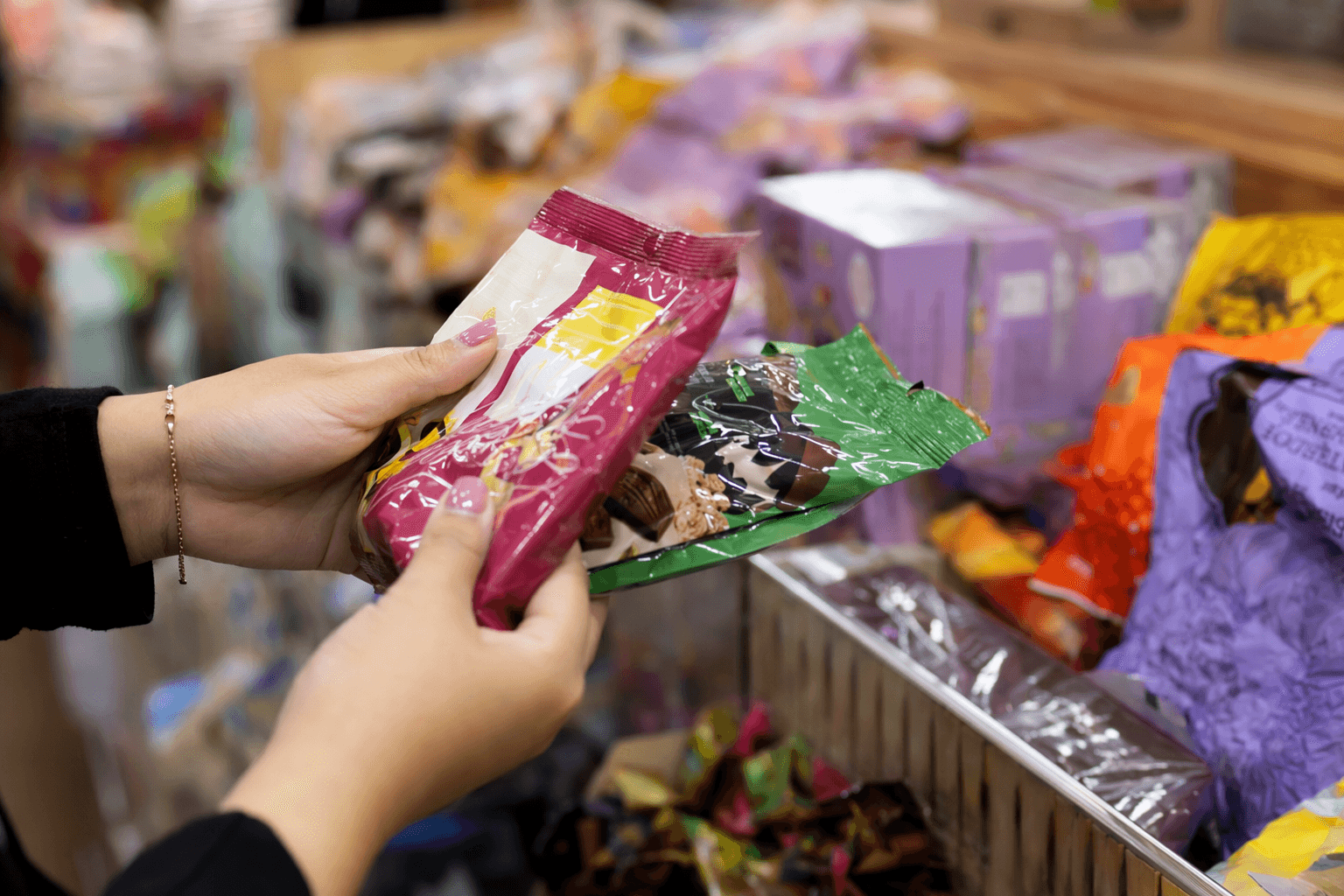
That matters because Trader Joe’s has already built a business on turning a trend into a shelf habit. The company says hot honey has shown up in fudge, goat cheese, salad dressing, and popcorn, which is a useful clue about how it thinks about flavor migration. If a taste is hot in one format, Trader Joe’s wants to see where else it can travel. Candy is a natural fit for that approach because shoppers are already open to trying something new when the package looks fun and the price feels manageable.
Value is doing more work than usual
The price story in candy is not abstract. Reuters reported in February 2026 that Hershey was still benefiting from earlier price hikes used to offset rising cocoa costs, even as wholesale cocoa prices eased from late-2024 highs. Reuters-based coverage in October 2025 also said U.S. chocolate shoppers would face elevated Halloween prices because cocoa costs had more than doubled since early 2024.
That backdrop helps explain why more candy brands are leaning on promotions and why shoppers are noticing value more sharply. In a Trader Joe’s store, that can make the difference between a one-time curiosity and a repeat basket item. The chain’s private-label model gives it room to frame candy as an affordable indulgence rather than a branded premium, and that is exactly the sort of positioning that can win when customers are comparing a treat against a tighter grocery budget.
Pistachio, Dubai chocolate, and the supply story behind the trend
The pistachio wave has a real-world supply chain behind it. AP reported in 2025 that the Dubai chocolate craze had spread beyond bars into a broader set of products and was still relatively niche in the U.S. It also noted that Trader Joe’s carries a Dubai chocolate bar made by Patislove. Other coverage tied the craze to surging pistachio demand and price pressure, which helps explain why pistachio-forward sweets are suddenly showing up in more places.
For Trader Joe’s, that is a useful template. A trendy flavor can start as a small, internet-fueled talking point and quickly become a product family with enough momentum to matter on the shelf. Crews will feel that when shoppers ask whether a bar is still in stock, whether there is a similar cluster or truffle nearby, or whether the next limited-time item will scratch the same itch. That is the kind of product chatter that turns a candy aisle into a live test of what shoppers actually want.
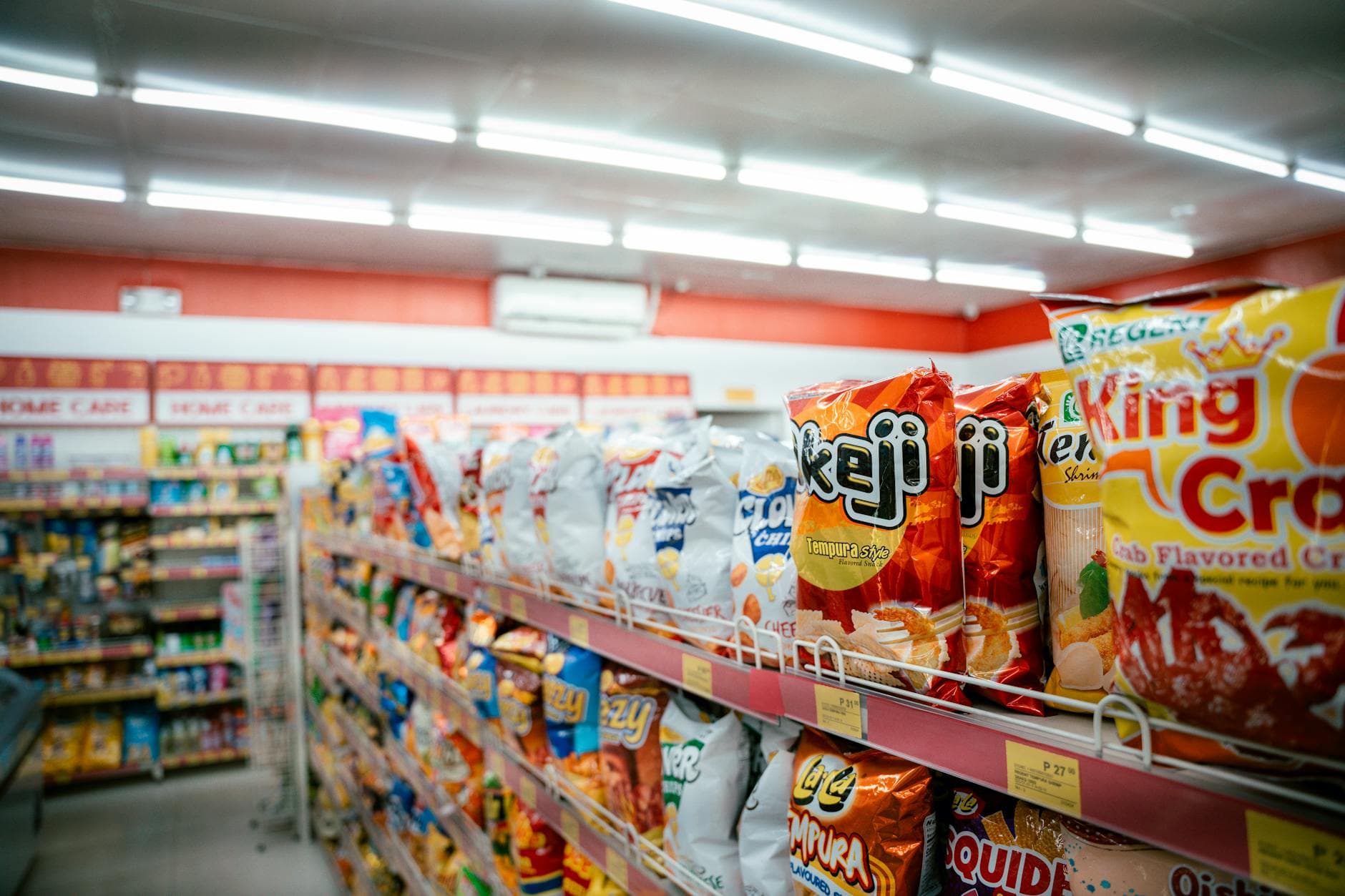
Seasonal candy has long been a Trader Joe’s strength
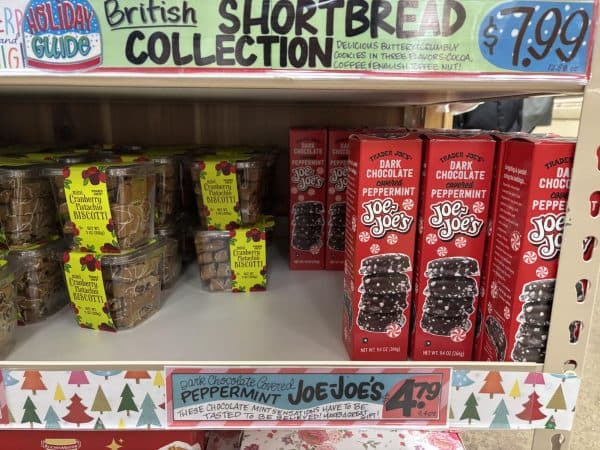
Trader Joe’s has been here before. The company says Jingle Jangle has been a holiday classic for more than a decade and has spawned spin-offs including Springle Jangle, Enchanted Jangle, and Jingle Jangle Pretzel Twists. In a 2025 holiday feature, the chain said its holiday candies and cookies help “keep things sweet.”
That history matters because it shows how Trader Joe’s uses limited-time candy to build ritual. These products are not just seasonal extras. They create return trips, giftable moments, and the sort of social buzz that helps the chain punch above its weight in snack culture. When a customer asks for the next version of a familiar favorite, they are really asking whether Trader Joe’s can keep the delight machine going.
What workers should notice next
Trader Joe’s says it expects dozens of stores to open in 2025, and it announced a new store opening in West Jordan, Utah, on May 19, 2026. The chain also said customers bought more than 13 million packages of Kimbap from its freezers in the prior year, a reminder that Trader Joe’s can scale a quirky product into a major hit when the idea lands. Candy and sweets work the same way: small format, strong identity, fast turnover, and a heavy reliance on crew energy to translate curiosity into sales.
That is why the candy aisle is such a clear product signal for Trader Joe’s teams. The winning items are the ones that feel playful without feeling gimmicky, premium without feeling inaccessible, and new enough to spark impulse but familiar enough to earn a second ask. In a store built on discovery, the sweets case is where the company’s taste for experimentation meets the realities of value, and that balance is likely to matter even more as shoppers keep hunting for treats that feel worth it.
Know something we missed? Have a correction or additional information?
Submit a Tip