Trader Joe’s cuts part-time health benefits below 30 hours a week
Trader Joe’s drew a 30-hour line for part-time health coverage and offered $500 to buy marketplace plans, shifting more insurance risk onto crew.

Trader Joe’s told part-time employees who worked fewer than 30 hours a week that it would end their health-insurance benefits and send them to the public insurance marketplaces with an extra $500 to help pay for coverage. For crew members, the cutoff made one number carry the weight of a benefits line: stay above 30 hours, and employer coverage remained in play; fall below it, and the company stepped back.
The change came in a memo dated Aug. 30, 2013. In that memo, CEO Dan Bane said the adjustments were tied to the Affordable Care Act. Workers who qualified and worked more than 15 hours per week were told they would receive an additional $500 in their paycheck in January 2014 to help cover health-care costs, even as the company moved part-time staff under the 30-hour threshold off its health plan.

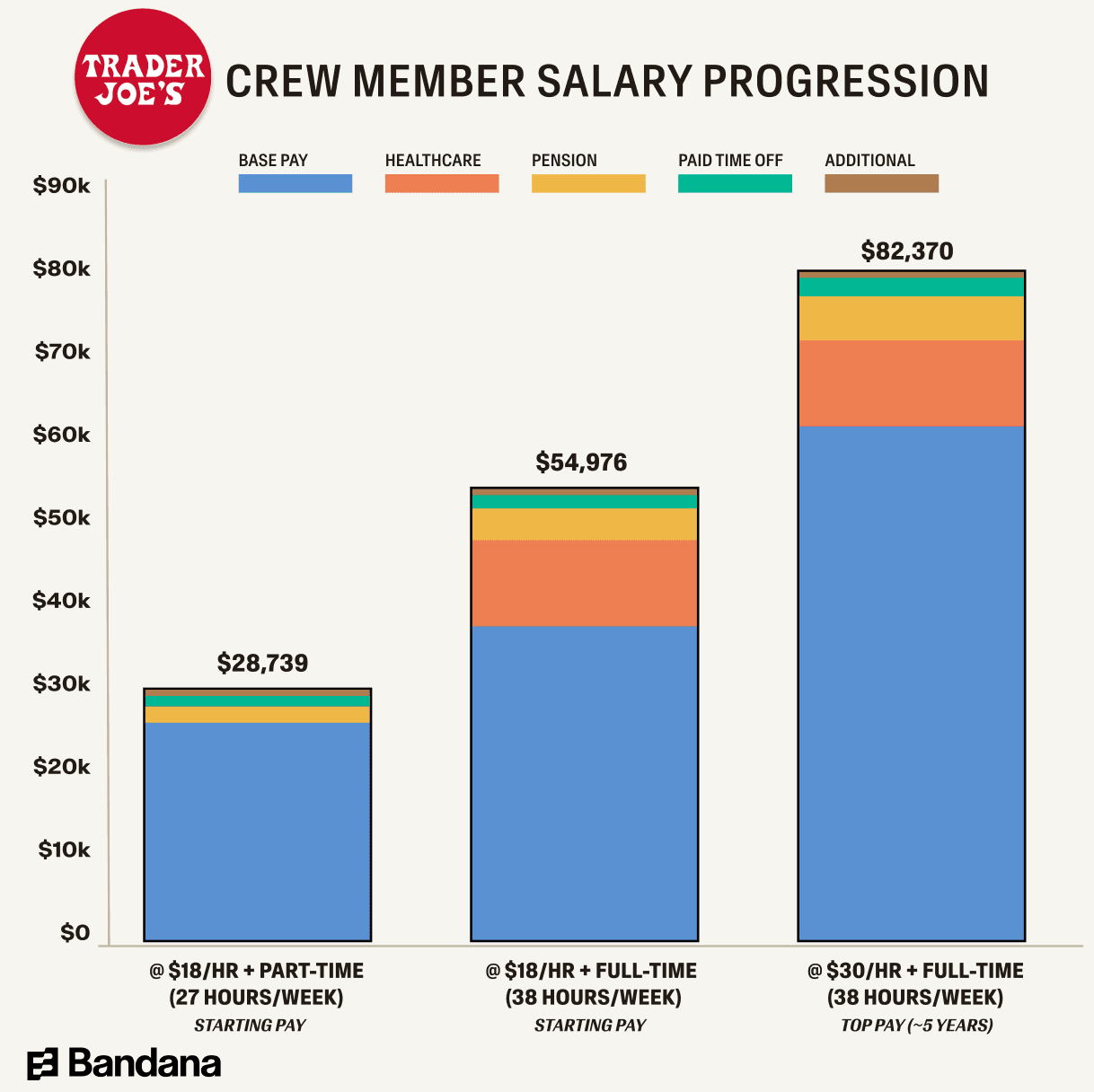
That is the practical lesson for any Trader Joe’s crew member watching benefits rules get rewritten: hours thresholds matter as much as hourly pay. A company can keep the headline of offering support while shifting the real cost of insurance onto workers by changing eligibility. The $500 payment helped, but it was not the same as employer-sponsored coverage, especially for employees with families or incomes that rose and fell with schedules.
The policy also showed how quickly benefit eligibility can change when a retailer redraws the line between full-time and part-time work. At Trader Joe’s, the line was not vague. It was set at 30 hours a week for health coverage, with a separate 15-hour benchmark for the cash payment. That kind of split matters on the floor, where schedules can vary week to week and a few lost shifts can move someone from covered to uncovered.
For managers, the move underscored the backlash that can follow even at a company known for strong pay and a crew-first culture. Health coverage is part of the employment bargain, and when workers are steered toward the public marketplace, they are left to compare premiums, deductibles and out-of-pocket exposure on their own. Marketplace subsidies can soften the blow for some people, but they do not automatically replace the security of an employer plan.
The Trader Joe’s case remains a blunt example of how benefit reform plays out in the store, not in the abstract. When the rules change, the real question for crew is simple: how many hours does it take to keep coverage, and how much risk gets moved to the paycheck?
This article was produced by Prism’s automated news system from verified source data, official records, and press releases, then run through automated quality and moderation checks before publishing. The system is built and supervised by the people who set the standards it runs under. Read our full AI policy.
Did this article answer your question?