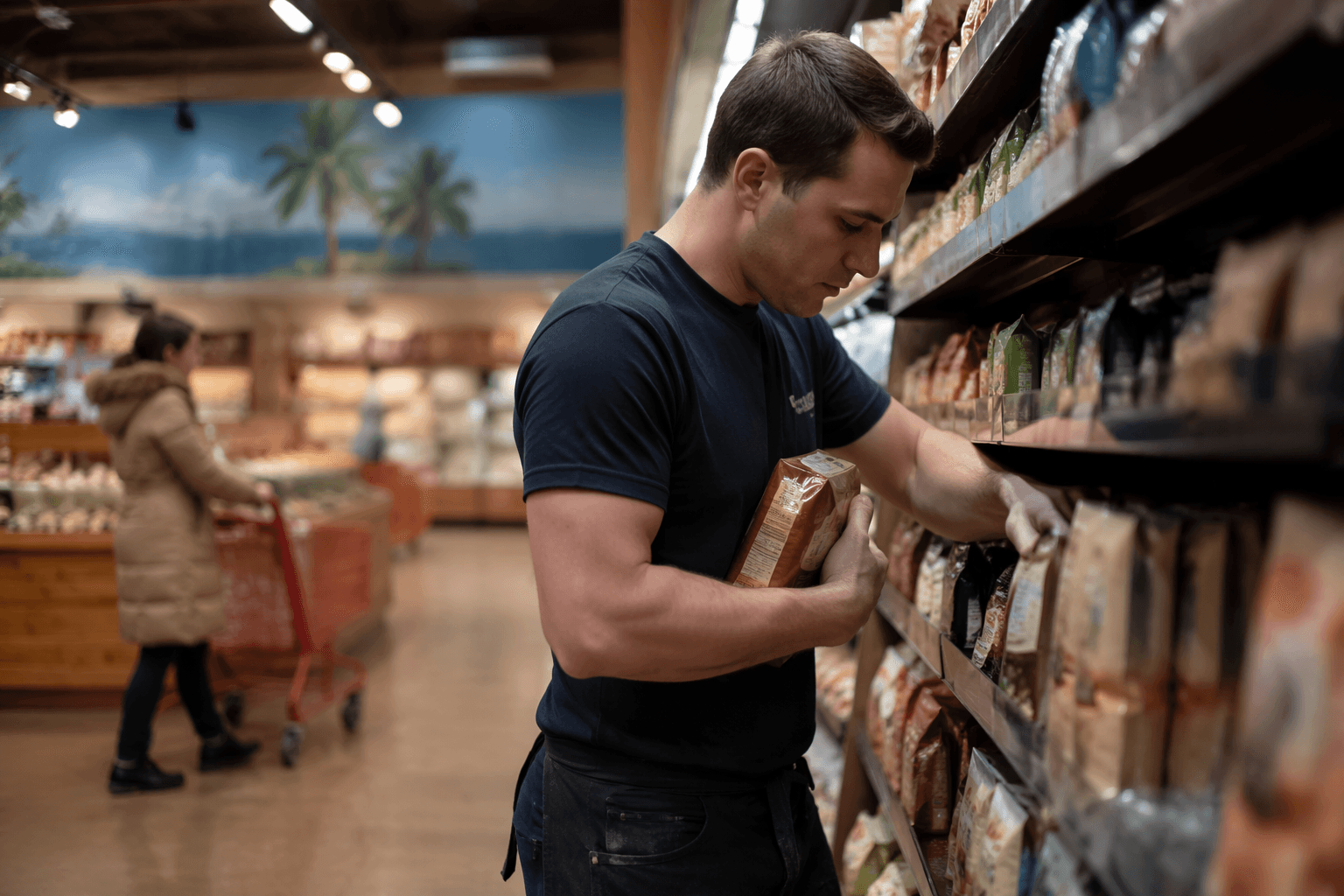
Trader Joe’s faces child labor compliance questions in grocery stores
Teen crew assignments at Trader Joe’s can turn risky fast when managers miss age, task, and recordkeeping rules for grocery stores.

A teenager closing a Trader Joe’s register, stocking a cooler, or helping near hot equipment can run straight into federal child-labor rules. For a chain that says it operates as a national neighborhood grocer and is reported to have more than 500 stores in 42 states and over 50,000 employees, the risk sits in ordinary scheduling and task assignment, not in rare edge cases.
The U.S. Department of Labor says grocery stores and supermarkets that employ workers under 18 must follow age- and task-based restrictions, while youth workers are generally entitled to the same minimum wage and overtime protections as older adults. The rules are not one-size-fits-all: federal guidance says they vary by age and task, and state laws can be more restrictive. That means a store manager has to look at the worker, the assignment, and the local rule set before putting a younger crew member on the floor.

In practice, the red flags are the jobs that look routine until they are not. The department says grocery managers should keep records such as birth dates for employees under 19 and pay close attention to duties involving hot equipment, cooking oil, and other higher-risk tasks. That makes a late-night closing shift more than a staffing convenience if it puts a young worker near equipment or duties that cross the line. It also means a seemingly harmless help-out assignment, such as covering a station that uses heat or oil, can become a compliance problem if the worker is too young for that task.
Trader Joe’s is a relevant test case because its hiring language centers on Crew Members, and its public careers material includes a minimum-age question in its FAQ. The company also promotes an internal ladder, with Mates and Merchants advanced from Crew Members, which puts first-job hiring and teen employment squarely inside its labor model. In a store culture built around customer service and strong crew identity, managers still have to treat youth employment as a controls issue, not just a staffing one.
The timing matters. The Labor Department says it saw a 31% increase in the number of children employed in violation of federal child labor laws between 2019 and 2024. In fiscal 2024, the Wage and Hour Division conducted 736 investigations involving child-labor violations that affected more than 4,000 minors. In fiscal 2023, federal investigators identified 955 violations nationwide, put 5,792 children at risk, and assessed more than $8 million in penalties, including 502 children working in hazardous occupations illegally. For grocery chains like Trader Joe’s, that enforcement backdrop raises the cost of a bad schedule, a bad assignment, or a missing birth date in the file.
This article was produced by Prism’s automated news system from verified source data, official records, and press releases, then run through automated quality and moderation checks before publishing. The system is built and supervised by the people who set the standards it runs under. Read our full AI policy.
Did this article answer your question?