Trader Joe's faces pressure as grocers adopt electronic shelf labels
Walmart's planned ESL rollout puts more pressure on Trader Joe's manual shelf work, just as lawmakers, unions and researchers keep fighting over price transparency.

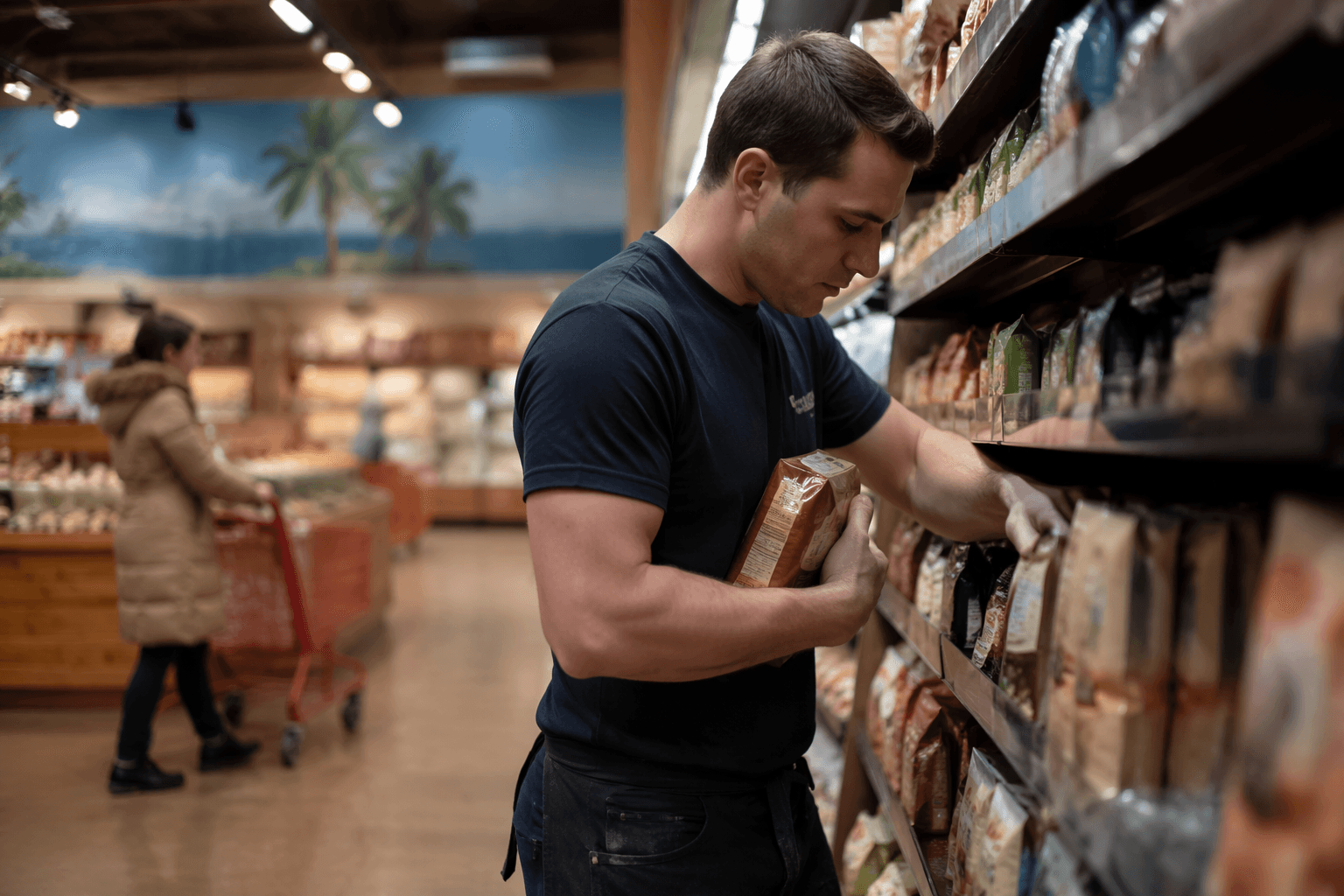
Walmart said it aimed to put electronic shelf labels in every U.S. store within the next year, pushing grocery pricing deeper into software and away from paper tags swapped by hand. Kroger, Aldi and Amazon Grocery have also moved toward the technology, which can speed price changes and cut the time crews spend replacing shelf labels. For Trader Joe's, the trend sharpens a choice the chain has already made: keep more of the store's work human, even if that means more labor at the shelf.
The labels have also drawn scrutiny from lawmakers. In August 2024, Elizabeth Warren and Robert P. Casey, Jr. pressed Kroger over electronic shelf labels, warning they could be used to increase prices and raise privacy concerns. Kroger said any test of electronic shelf tags was meant "to lower prices more for customers where it matters most."

By February 2026, the United Food and Commercial Workers International Union had launched a national campaign against what it called "surveillance pricing" and said it was seeking paper shelf labels in stores larger than 10,000 square feet. Legislators in New York, Oklahoma, Washington state, Arizona, Nebraska, Maryland and Tennessee had introduced bills targeting electronic shelf labels and some forms of dynamic pricing. A March 2026 review said more than 100 price-transparency bills had been introduced across 33 states and Washington, D.C. in the prior year.
The case against the technology is not settled. A July 2025 UC San Diego summary of a working paper said researchers reviewed more than 180 million product-level observations from stores in four U.S. states and found no evidence that electronic shelf labels caused real-time price spikes. The authors said the data did not support the idea that digital shelf labels automatically produce surge pricing, even as critics kept warning that the same tools could be used to calibrate prices too closely to demand.
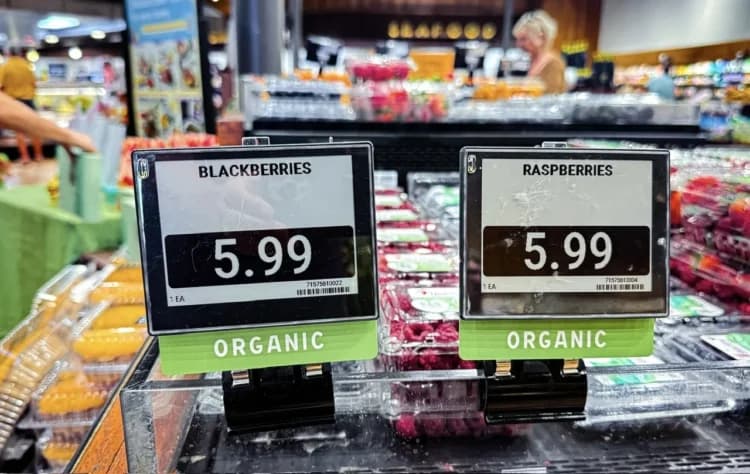
Trader Joe's has kept signaling a different path. The company has said screens and similar front-of-house digital features are "just not things we do," and that it prefers investing in employees rather than customer-facing technology such as self-checkout. That leaves Trader Joe's with a manual burden competitors may be trying to shave away, while preserving the aisle time, customer interaction and crew judgment that still define its floor. As rivals use software to reduce labor on the shelf, Trader Joe's is betting that human service itself remains the differentiator.
This article was produced by Prism’s automated news system from verified source data, official records, and press releases, then run through automated quality and moderation checks before publishing. The system is built and supervised by the people who set the standards it runs under. Read our full AI policy.
Did this article answer your question?