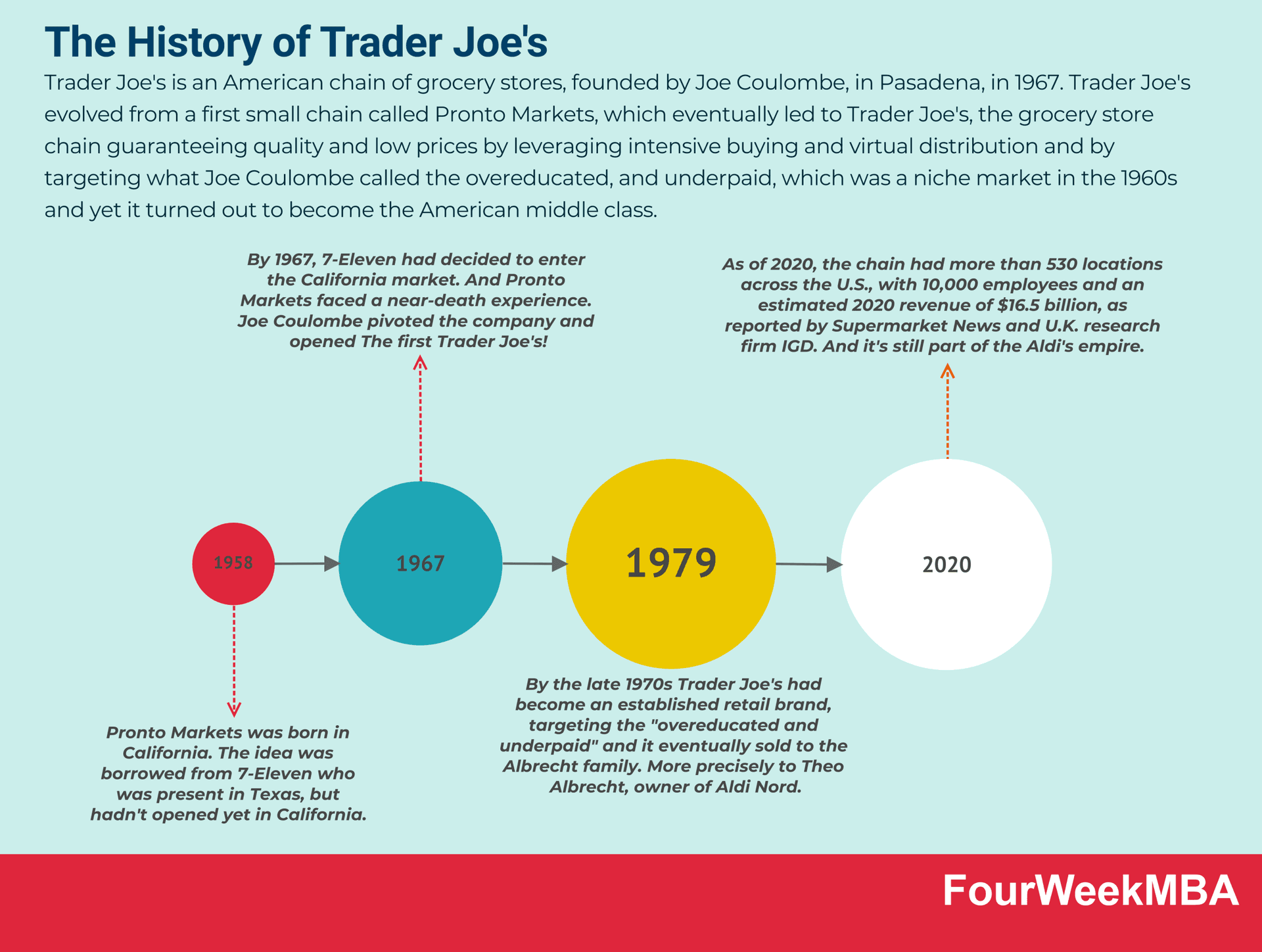
Trader Joe's Frozen Food Recall Expands to Ramen, Dumplings, Nearly 10 Million Pounds
Nearly 10M more pounds of Trader Joe's frozen meals pulled over glass shards in carrots — the recall now covers more than 36 million pounds total since February.
What started as a targeted February pull has become one of the largest frozen food recalls in recent memory: Ajinomoto Foods North America, a Portland, Oregon establishment, expanded its Feb. 19 recall of frozen chicken products contaminated with glass, adding approximately 33.6 million additional pounds for a combined total of nearly 37 million pounds subject to recall under FSIS oversight. Then, on March 20, it grew again.
As of March 20, the food supplier expanded the recall once more to include nearly 10 million additional pounds, with the FDA confirming that Ajinomoto had added 9,885,240 pounds of frozen food products — specifically Trader Joe's Vegetable Fried Rice, identified by item number 5650233 and UPC 00521482. That amounts to over 400,000 cases of the product, pulled due to the presence of "foreign objects," with the FDA notice describing glass varying in size from 1 to 3 centimeters long and 2 to 4 millimeters wide.
The recall's origin traces back to February, when four consumer complaints set off an investigation that has since reshaped what Trader Joe's freezer sections look like across the country. Ajinomoto initially recalled approximately 3,370,530 pounds of frozen not-ready-to-eat chicken fried rice products that may be contaminated with glass; those items were produced between September 8, 2025, and November 17, 2025. The Trader Joe's item was shipped to Trader Joe's retail locations nationwide, while the Ajinomoto item was exported only to Canada — though the FSIS notice tied to the March 3 expansion confirmed that certain Ajinomoto items were also exported to Mexico.
Upon further investigation, the establishment determined that a vegetable source ingredient, specifically carrots, was the likely source of the glass contamination, which also impacted the additional products subject to the expanded recall. That finding is what pushed the recall well beyond the initial chicken fried rice line.
The March 3 expansion covered 16 products produced between October 21, 2024, and February 26, 2026, under the brand names Ajinomoto, Kroger, Ling Ling, Tai Pei, and Trader Joe's, with best-by dates ranging from February 28, 2026, through August 19, 2027. Among the specific Trader Joe's products named in that expansion: Chicken Fried Rice, Vegetable Fried Rice, Japanese Style Fried Rice, and Chicken Shu Mai — with best-by date ranges from 03/04/2026 through 02/10/2027 for the Chicken Fried Rice, 02/28/2026 through 11/19/2026 for Vegetable Fried Rice, 02/28/2026 through 11/14/2026 for Japanese Style Fried Rice, and 03/13/2026 through 10/23/2026 for Chicken Shu Mai.
Among the affected products across all brands are Ajinomoto Tokyo Style Shoyu Ramen With Chicken, Ajinomoto Fried Rice Authentic Japanese Style, Kroger Chinese Inspirations Chicken Fried Rice, Ling Ling Restaurant Style Fried Rice Yakitori Chicken, Tai Pei Chicken Fried Rice, Trader Joe's Chicken Fried Rice, and Trader Joe's Chicken Shu Mai, among others.
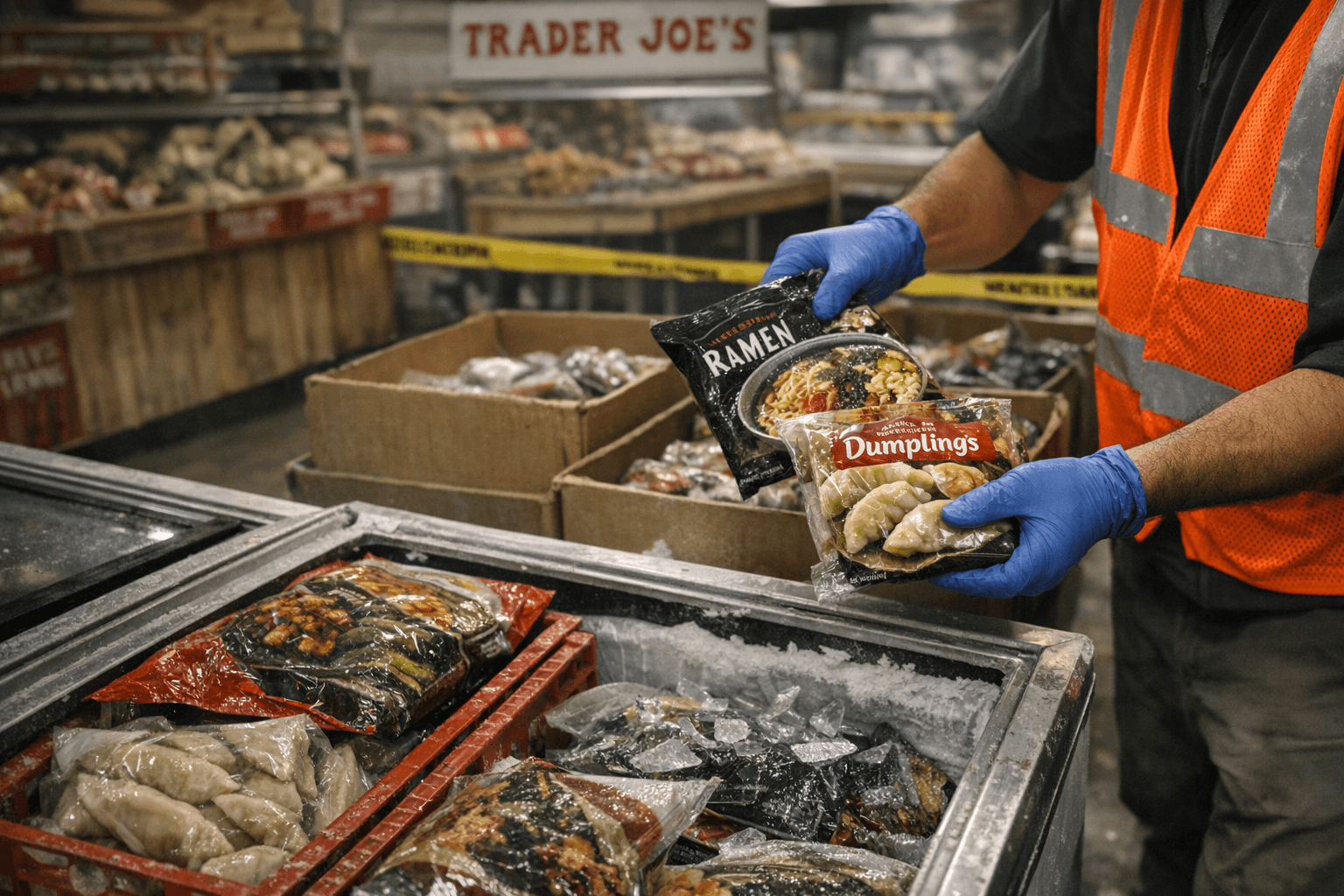
For crew members fielding questions from shoppers, the package identifier is the fastest verification tool. Products subject to recall bear establishment number P-18356, P-18356B, or P-47971 inside the USDA mark of inspection. An editor's note on the FSIS notice also clarifies that products with the listed lot numbers, regardless of best-by date, are subject to the recall — meaning a package with a future best-by date is not automatically safe.
The recalled Vegetable Fried Rice was distributed to 43 states, including Alaska, Alabama, Arkansas, Arizona, California, Colorado, Connecticut, Delaware, Florida, Georgia, Idaho, Illinois, Indiana, Kansas, Kentucky, Louisiana, Massachusetts, Maryland, Michigan, Minnesota, Missouri, Mississippi, Montana, North Carolina, North Dakota, Nebraska, New Hampshire, New Jersey, Nevada, New York, Ohio, Oklahoma, Oregon, Pennsylvania, Rhode Island, South Carolina, Tennessee, Texas, Utah, Virginia, Washington, Wisconsin, and Wyoming.
Trader Joe's public relations manager Nakia Rohde told the Boston Globe that "customers who have packages of the recalled products should please discard the product or return it to any Trader Joe's for a full refund," adding that the company has "a close relationship with our vendors" and that "we err on the side of caution and are proactive in addressing issues." Rohde said recall-related communications are shared through in-store signs, on Trader Joe's website, and through email alerts.
There have been no confirmed reports of injury due to consumption of the recalled products. Consumers with questions can reach Ajinomoto Foods North America's Consumer Affairs line at (855) 742-5011 or email customercare@ajinomotofoods.com; the full and current product list is maintained on the FSIS website at fsis.usda.gov/recalls.
Know something we missed? Have a correction or additional information?
Submit a Tip