Trader Joe's issues targeted recall notice after BrucePac listeria contamination scare
Trader Joe’s recall notice turned a BrucePac contamination scare into a label-checking drill: exact date codes, not product names, decided what stayed on shelves.
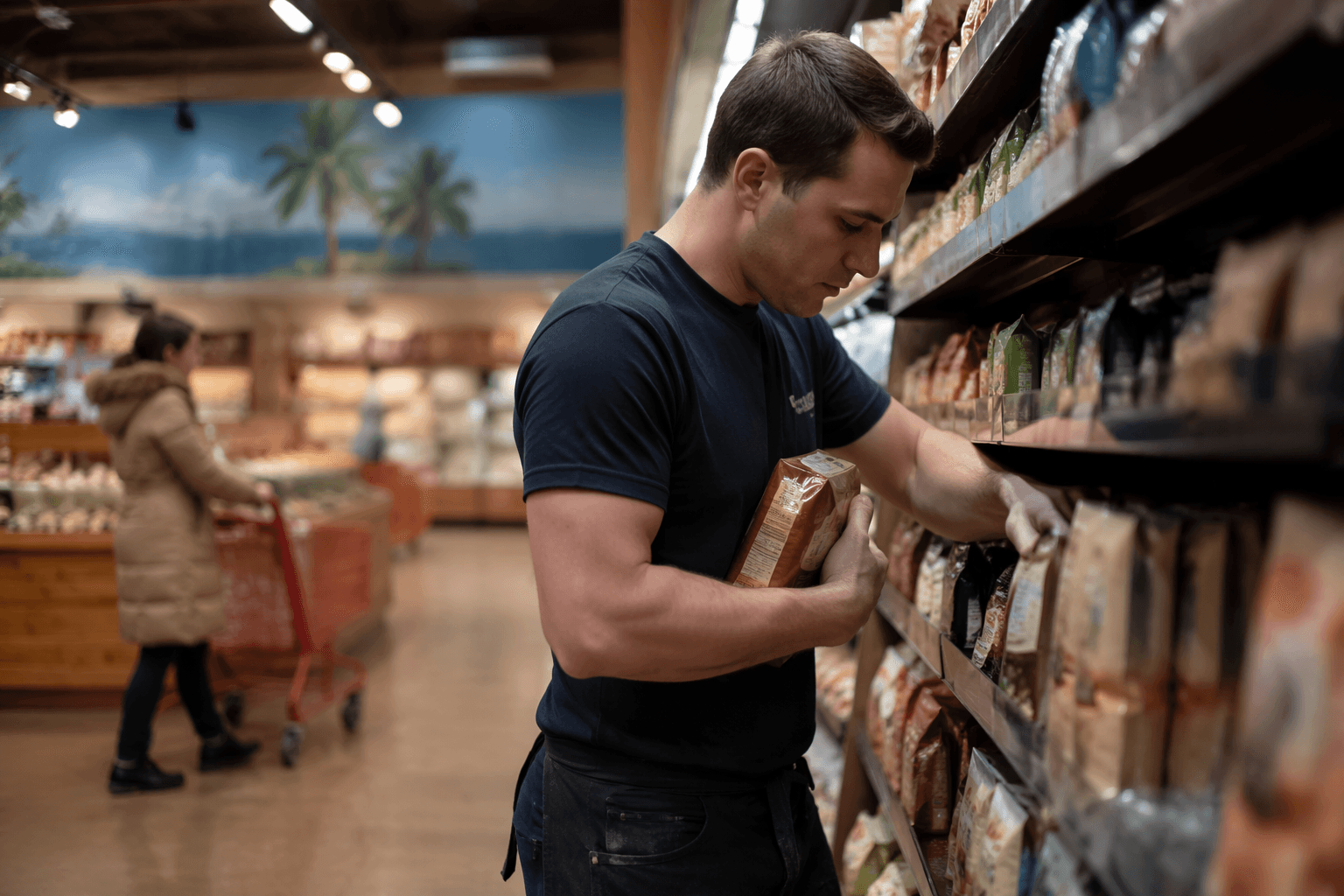
The first thing crew members needed to do was check the code on the package, not the product name. Trader Joe’s said its recall was tied to a nationwide BrucePac action involving possible Listeria monocytogenes contamination, and the practical test for store teams was whether a package matched the exact states and date ranges listed in the notice.
That matters because Listeria can survive and grow under refrigeration, and it is especially dangerous for older adults, pregnant women, newborns and people with weakened immune systems. The Centers for Disease Control and Prevention and the U.S. Department of Agriculture say about 1,600 people in the U.S. contract listeriosis each year and about 260 die from it, which is why even a precautionary notice can turn into a serious floor-level issue for crew and managers.
BrucePac’s initial recall was announced on Oct. 9, 2024, after routine testing found Listeria in ready-to-eat meat and poultry products made at its Durant, Oklahoma establishment. The USDA Food Safety and Inspection Service said the recall ultimately covered about 11,765,285 pounds of product produced from May 31, 2024, to Oct. 8, 2024. On Oct. 15, 2024, the agency expanded the action to include additional products and production dates, a reminder that recall lists can grow as new information comes in.
Trader Joe’s updated its own notice on Oct. 15, 2024, saying the affected items were limited to specific products, states and date codes. The company said it had received no reports of illness at the time. It told customers not to eat any affected product, and to discard it or return it to any Trader Joe’s for a full refund. Questions were directed to Customer Relations at (626) 599-3817 or by email.
For store crews, the operational lesson is simple and specific: recalls run on labels. A shopper asking whether a package is safe does not need a vague answer, just a calm check against the notice’s lot information, date code and state list. That is what keeps a shelf clean, a register conversation accurate and a food-safety scare from becoming a trust problem on the sales floor.
This article was produced by Prism’s automated news system from verified source data, official records, and press releases, then run through automated quality and moderation checks before publishing. The system is built and supervised by the people who set the standards it runs under. Read our full AI policy.
Did this article answer your question?