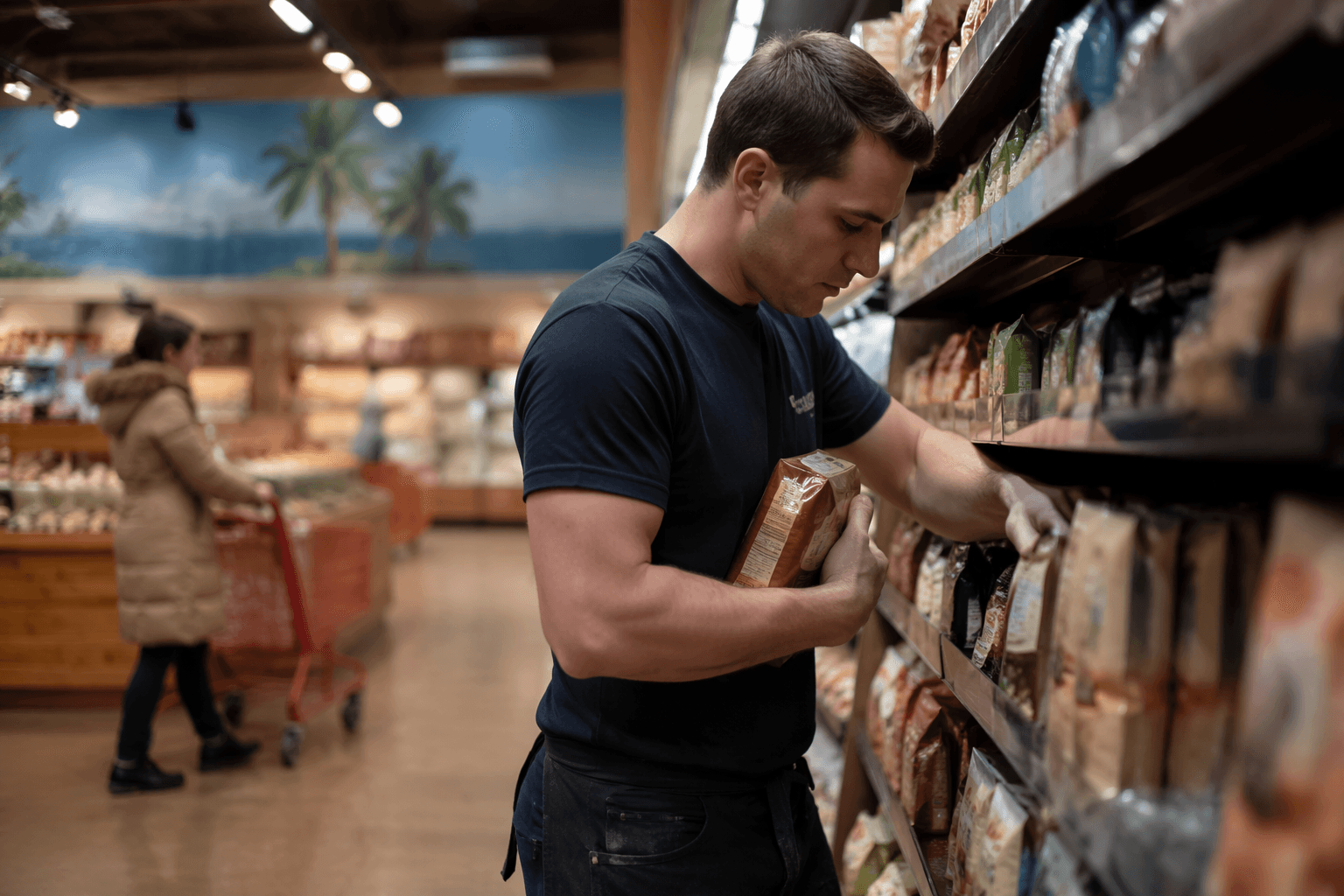
Trader Joe’s meat aisle helps shoppers build fast, affordable dinners
Trader Joe’s meat case is a shortcut aisle, not just a protein shelf. Crew who can translate a few cuts into fast, confident meal plans can turn hesitation into bigger baskets.
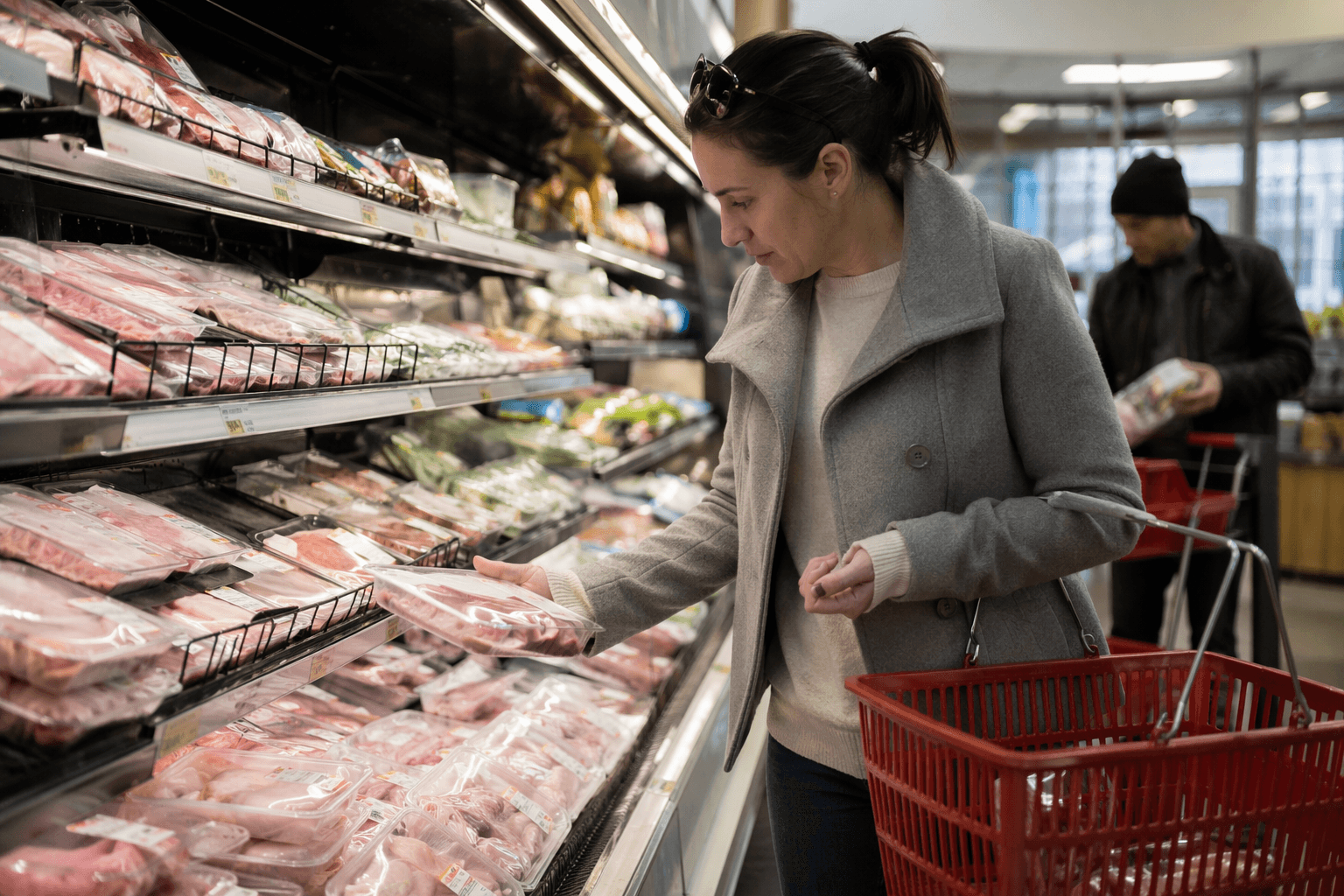
The meat case is where speed becomes service
Trader Joe’s meat aisle works best when it feels less like a raw-protein stop and more like a weeknight solution. That is the lesson buried in the latest summer shopping chatter: shoppers want quick decisions, clear value and easy pairings, and they are far more likely to buy when a crew member turns one cut of meat into a whole dinner plan.
That is a natural fit for a company that says it is committed to providing customers outstanding value and that its knowledgeable, friendly Crew Members help create “a welcoming journey full of discovery and fun.” At Trader Joe’s, the meat case is one of the places where that promise gets tested in real time, especially in a chain that has been transforming grocery shopping since 1967 and still leans on a human, not a screen, to make the trip feel easy.
Why summer shoppers gravitate to the simplest answer
A fresh Parade roundup on Trader Joe’s meat aisle points to a basic retail truth: in summer, people are not looking to build a culinary project from scratch. They want a cookout main, a fast dinner after work or a backup plan when the original menu falls apart, and they want the answer to be obvious. That makes pre-marinated proteins, quick-cooking cuts and ready-to-explain meal pairings especially valuable.
For crew, this is not just product pitching. It is the kind of floor-level coaching that can decide whether a shopper walks out with one item or with a full meal: protein, side, sauce and something from the freezer or produce case to round it out. In a company known for above-market pay and strong crew pride, that service edge matters because the shopper is paying for guidance as much as for the meat itself.
What to point shoppers toward in the case
Trader Joe’s current May 2026 flyer gives crew a very clear summer script. The chain is spotlighting Carne Asada Ranchera, a ranchera cut also known as sirloin flap, sold in random-weight packages for $11.99 per pound. That is the kind of detail that helps a shopper make a fast value judgment without doing the math at the case.
Pollo Asado Chicken Thighs is another easy recommendation. Trader Joe’s says the product was reformulated from chicken breast to chicken thighs for grilling season, which is a useful cue for shoppers who want something that cooks quickly and stays flexible across tacos, bowls and salads. The company also says its meat-case marinades were developed as exclusive-to-Trader-Joe’s items inspired by taco carts and meat markets across Southern California, a description that gives the product both a flavor story and a clear use case.
When crew frame these items well, they are not just selling marinated meat. They are translating the case into dinner logic:
- Carne asada for the grill, then leftovers for tacos
- Pollo asado for fast weeknight chicken, then rice bowls the next day
- One protein plus freezer, produce or pantry sides for a full meal without extra decisions
That kind of explanation helps shoppers feel price confidence, which is often what unlocks the larger basket.
Value is part of the service script
Trader Joe’s private-label model gives crew another practical talking point. The company says it tastes everything before putting its name on it and offers only what it feels is extraordinary. It also says customers can bring back products for a refund or exchange if they do not like them. That return policy is more than a customer perk. It is a trust signal, and in the meat aisle it helps reinforce the idea that shoppers are taking a low-risk shot on a product that has already been screened by the company.
That matters in a store where shoppers often come in with a mental budget and a short list. If a crew member can explain why one package of marinated chicken stretches into two meals, or why a certain cut is a better value for tacos than a pricier steak, the interaction stops feeling like a hard sell and starts feeling like useful retail labor.
Food safety is part of the upsell, not an afterthought
The meat aisle also puts food-safety knowledge on the front line. The United States Department of Agriculture says raw beef, pork, lamb and veal steaks, chops and roasts should be cooked to 145 degrees Fahrenheit and rested for three minutes, while ground meats should reach 160 degrees Fahrenheit. The Food Safety and Inspection Service also stresses a key point that crew should be ready to repeat: harmful bacteria cannot be seen, smelled or tasted.
That guidance makes crew coaching even more valuable, because the customer asking about a fast dinner often needs more than recipe ideas. They need reassurance about cook times, safe handling and whether a cut is forgiving enough for a weeknight grill. A confident answer in the aisle can prevent a bad meal, a waste of product and a disappointed shopper who may not come back.
The crew structure behind the floor conversation
Trader Joe’s own organizational model helps explain why these interactions matter so much. The company says Merchants are promoted from Crew Members and are recognized as customer-service champions. It also says Mates are assistant store leaders who provide training, guidance and development on the floor.
That structure turns product knowledge into a career signal, not just a task. In a chain where workers take pride in being the person shoppers stop for advice, the meat case becomes one of the clearest places to show what the culture claims to value: quick judgment, plain language and practical help that saves the customer time.
The company’s neighborhood-store identity has long been a selling point, but it also sits alongside ongoing union organizing conversations that keep attention on the gap between brand language and daily store life. That makes consistency in the aisle even more important. If Trader Joe’s wants its promise of discovery and fun to hold up under pressure, the meat case is one of the places where the brand has to earn it one conversation at a time.
A small case with a big basket effect
The larger lesson is simple. Trader Joe’s does not need the meat aisle to act like a specialty butcher shop. It needs it to act like a fast, reliable guide to dinner. Carne Asada Ranchera at $11.99 per pound, Pollo Asado Chicken Thighs and the chain’s exclusive marinades all point in the same direction: give shoppers one clear path, then make it easy to build around it.
That is where crew knowledge turns into sales. When a shopper leaves with a protein, a side and a plan, the store has done more than move meat. It has converted hesitation into a mission-driven purchase, and that is exactly the kind of service advantage Trader Joe’s has built its reputation on.
This article was produced by Prism’s automated news system from verified source data, official records, and press releases, then run through automated quality and moderation checks before publishing. The system is built and supervised by the people who set the standards it runs under. Read our full AI policy.
Did this article answer your question?