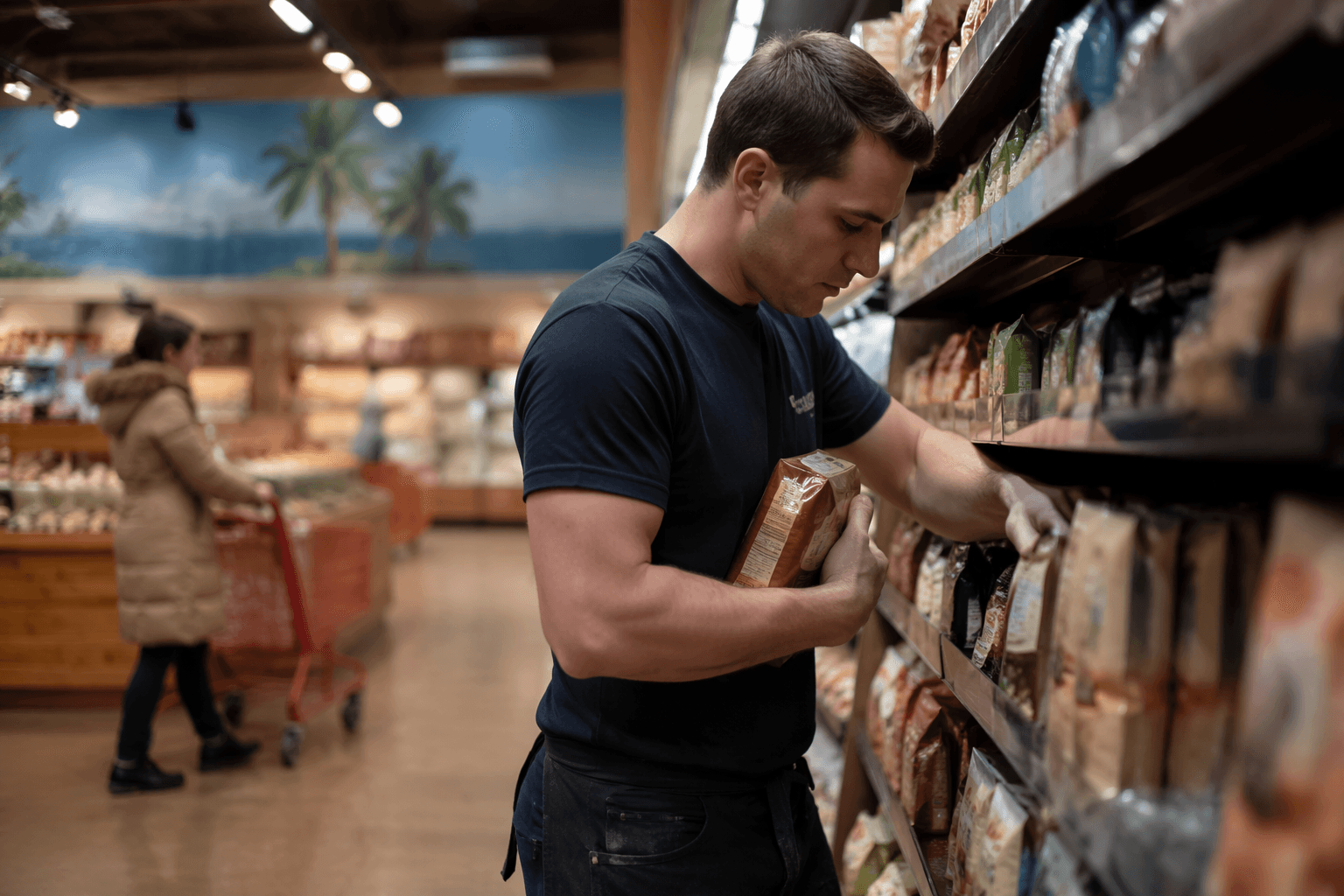
Trader Joe's modernizes tech quietly to protect human service
Trader Joe’s is upgrading the systems behind the counter without changing the feel of the aisle. The rule is simple: tech should keep stores moving, not replace crew service.
A brand built around people, not platforms
Trader Joe’s has spent decades selling a very specific promise: a welcoming journey full of discovery and fun, with value at the center and human service doing most of the work. The company says it has been operating that way since 1967, and its first store opened on August 25, 1967, at 610 South Arroyo Parkway in Pasadena, California. That history still shapes the way the chain presents itself today, including its refusal to lean on sales, coupons, loyalty programs, or membership cards.
That matters because Trader Joe’s is not trying to be the most digital grocery chain in the room. It buys direct from suppliers whenever possible, keeps the assortment tightly curated, and relies on crew members to translate that curation into an in-store experience. The brand promise only works if the human layer stays visible, and that is why technology decisions at Trader Joe’s carry more weight than they might at a more app-driven competitor.
The line Trader Joe’s is drawing on technology
A 2021 Supermarket News look at the chain said Trader Joe’s historically was not a heavy technology spender, but Chief Information Officer Ron Glickman framed the company’s approach as “evolutionary rather than revolutionary.” That is the key to understanding the chain’s modernization strategy. Trader Joe’s appears willing to upgrade the systems that keep the store operating, but not to let technology define the customer experience.
The operational stakes are not abstract. If network systems go down, customers cannot pay by card and stores cannot place orders to get product on shelves. In a business built around quick turns, full shelves, and a smooth checkout, that means technology is not about shiny gadgets. It is about whether the store can keep functioning when the line is long, the product mix is tight, and the crew is already juggling multiple tasks.
For crew members, that is the practical side of the policy. When systems falter, the first signs are usually visible on the floor: slower checkout, longer waits, and replenishment delays that turn into more manual work. For managers, the message is equally clear: the value of a tool is not whether it looks modern on paper, but whether it protects the store’s ability to serve shoppers without breaking the flow.

Why the human touch is still the company’s operating system
Trader Joe’s has built a reputation on the idea that customers want more than a transaction. The store visit is supposed to feel personal, and crew recommendations are part of that promise, whether they are helping a shopper find a new frozen meal or pointing them toward a favorite snack. A tech strategy that supports that interaction fits the brand; a tech strategy that inserts more friction between crew and shopper does not.
That is the operational line Trader Joe’s seems unwilling to cross. The company can modernize back-end systems, but it does not appear interested in turning the visit into a screen-first experience or making customers work through layers of digital engagement to get basic service. In practical terms, that means technology has to stay in the background, where it supports checkout, ordering, and store coordination without taking over the human part of the job.
The same logic explains why Trader Joe’s has not embraced the usual grocery-chain playbook of data collection through loyalty programs. In a transcript on loyalty rewards, Tara Miller and Matt Sloan said the company does not use them because it wants to reward all customers all the time. That philosophy reinforces a broader pattern: Trader Joe’s is comfortable with technology when it helps the store run, but less interested in tools that shift the relationship away from the crew and toward an app.
What this means for checkout, training, and staffing
On the floor, the clearest implication is that checkout systems must be reliable enough to preserve the pace of the store. Trader Joe’s shoppers expect a quick, friendly trip, and even a brief systems failure can disrupt that experience in ways crew members immediately feel. That makes back-end resilience part of the job, not just an IT concern.
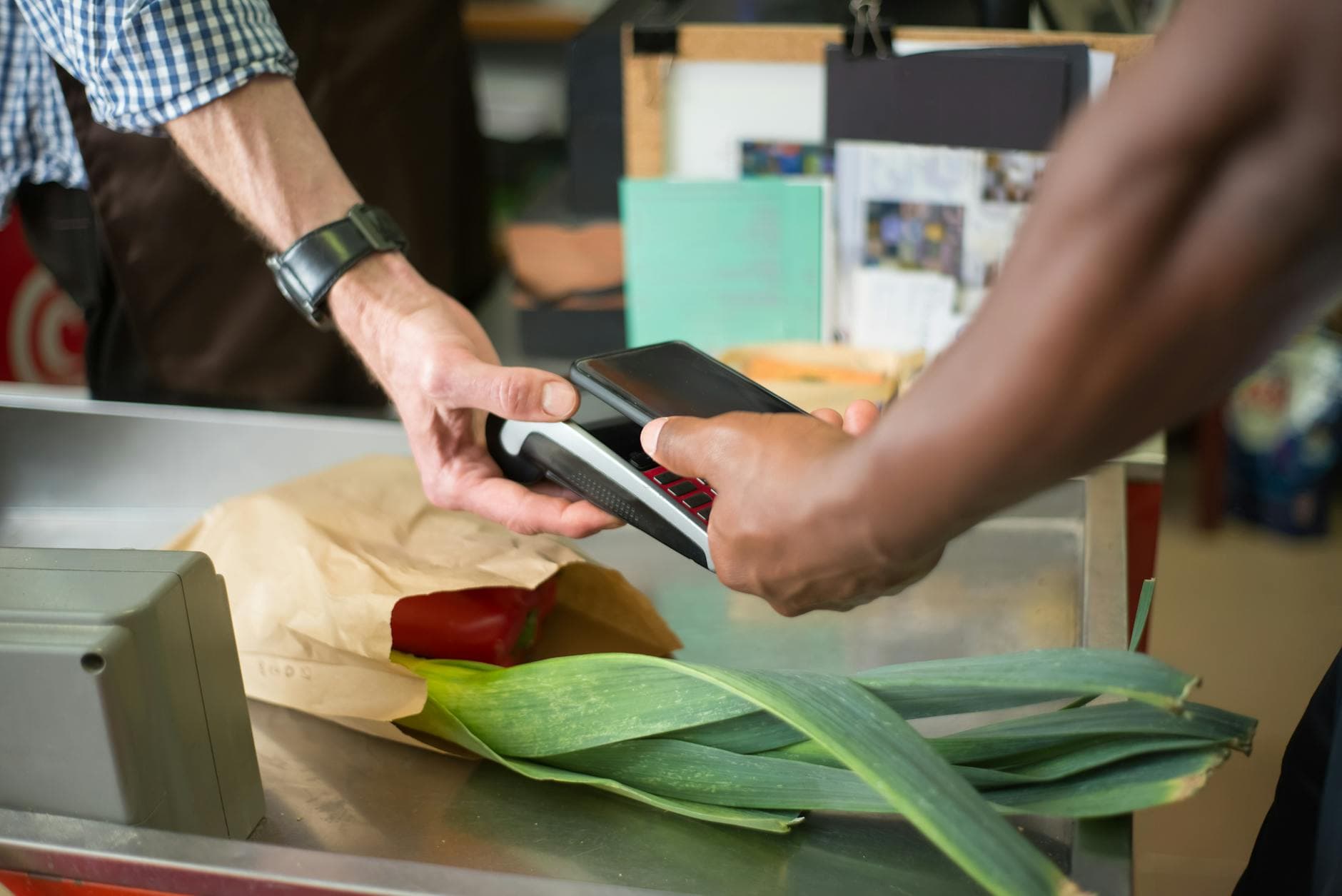
Training also takes on a different shape in a store like this. Crew need to know how to keep service moving when the network slows, when ordering tools lag, or when a payment process gets stuck. In a workplace culture that prizes responsiveness, the ability to pivot is just as important as the ability to ring up a basket quickly.
Staffing decisions follow the same logic. A chain that protects human service has to make sure the human side of the operation is strong enough to absorb the moments when technology does not cooperate. That does not mean automation has no place, but it does mean Trader Joe’s has to preserve enough crew presence to keep the store feeling personal, especially at peak times when shoppers need help, product guidance, and a smooth handoff at checkout.
A chain that is still growing without changing its personality
Trader Joe’s selective approach is easier to understand when you look at its scale. An up-to-date store-count report says the chain had 647 U.S. locations as of May 15, 2026, including 208 in California. That is a large enough footprint to require serious infrastructure, even if the company continues to avoid flashy consumer-facing tech.
The chain is also still communicating directly with shoppers in old-fashioned ways that fit its brand. Its store directory remains active, its announcements page continues to post openings and updates, and its Inside Trader Joe’s podcast is still running, including episode 105 published on May 18, 2026. That direct line to customers, along with a planned Tucson opening on May 29, 2026, shows a company that is expanding while still preferring simple, controlled touchpoints over a loyalty-app model.
For workers, that is the real takeaway. Trader Joe’s is modernizing, but it is doing so with a clear boundary: update the infrastructure, keep the crew central, and protect the store’s personality at every turn. In a grocery market that keeps pushing automation further into the customer journey, Trader Joe’s is betting that the most durable technology strategy is the one that keeps the human service intact.
This article was produced by Prism’s automated news system from verified source data, official records, and press releases, then run through automated quality and moderation checks before publishing. The system is built and supervised by the people who set the standards it runs under. Read our full AI policy.
Did this article answer your question?