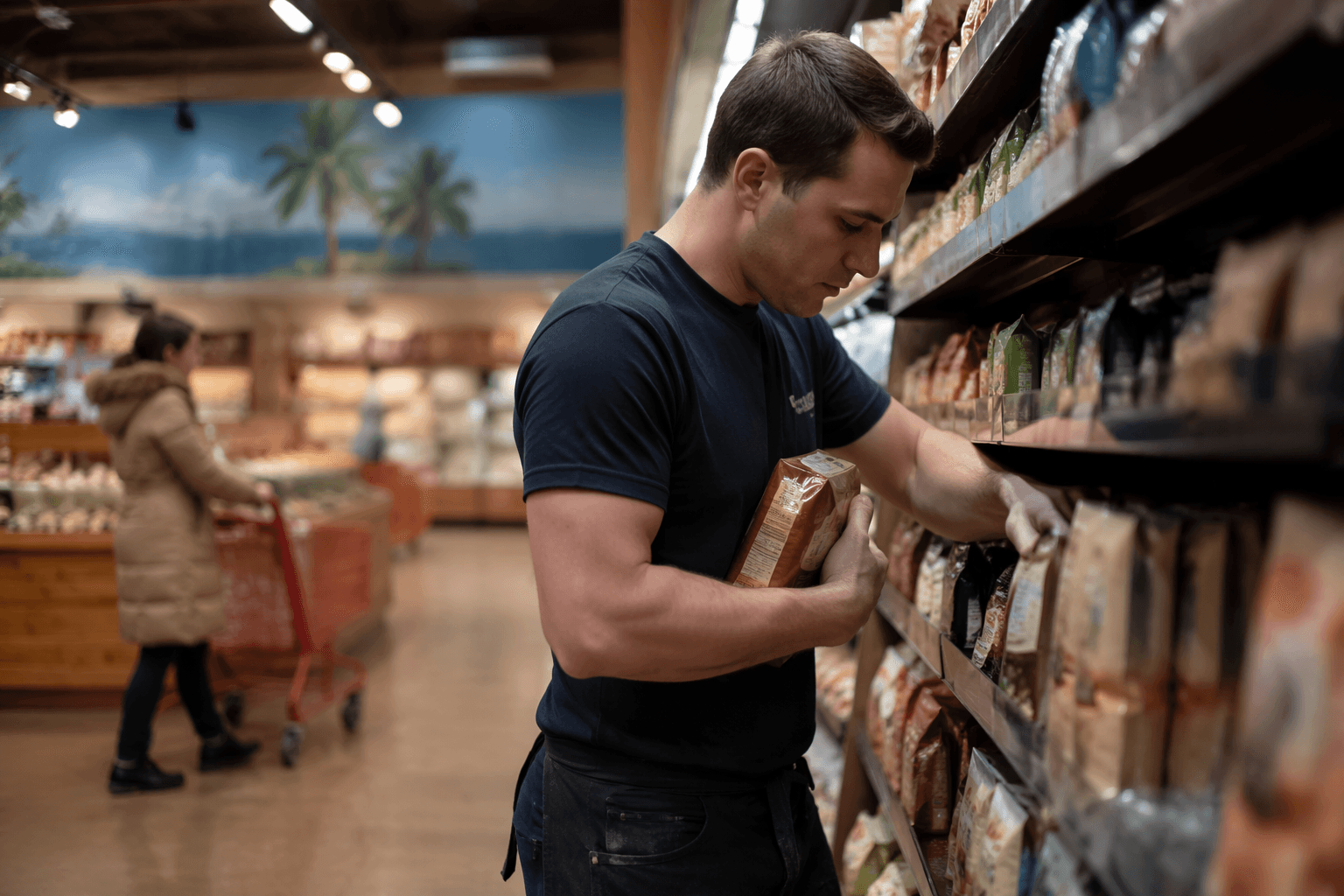
Trader Joe’s Neighborhood Shares program gives unsold food a second life
Neighborhood Shares turns unsold but edible food into a daily store routine, shaping shrink, closing work, and crew pride across Trader Joe’s.
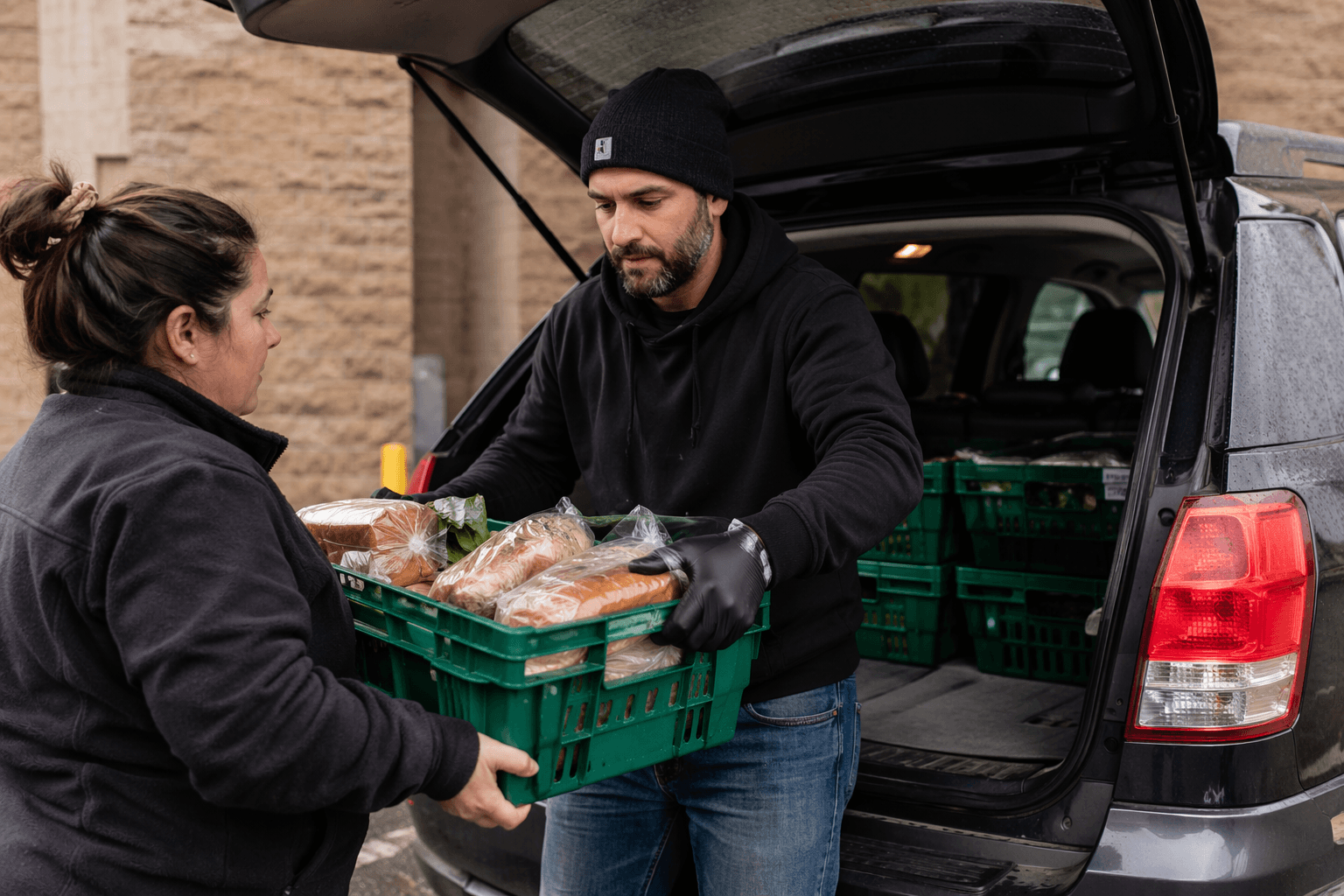
Trader Joe’s says its Neighborhood Shares program donates 100% of products that go unsold but remain fit to be enjoyed, moving that food every day from every store to local nonprofit partners. For crew members, that means the end of the day is not just about facing shelves and locking doors, but about getting good food into a second channel before it turns into waste.
How Neighborhood Shares fits the store floor
The program changes the way stores think about inventory, shrink, and expiration timing. Instead of treating unsold product as dead stock, Trader Joe’s frames it as food that still has value if it can be diverted quickly enough to a partner that can use it. Trader Joe’s describes this as a long-running policy, with redistribution seven days a week to local food banks and other nonprofit food recovery partners.
Nearly 80% of Neighborhood Shares donations are perishables, including produce, entrees such as salads, sandwiches, and soups, bakery items, proteins, dairy, and eggs. Those categories do not sit around waiting for a convenient pickup window. In practice, the program makes timing, communication, and consistency part of store execution, especially at close when crew are deciding what can still move through the donation stream and what cannot.
What it says about Trader Joe’s culture
Trader Joe’s describes itself as a national chain of neighborhood grocery stores that has been transforming grocery shopping into a welcoming journey full of discovery and fun since 1967.
When a store’s unsold food goes to a nearby food recovery agency, the crew can see a direct connection between their daily work and the neighborhood around them. The company’s structure is also local: captains are store leaders, crew members are the front line, and the office teams in Monrovia, California and Boston, Massachusetts exist to support the stores rather than replace them.
Why the program affects closing routines and shrink decisions
The daily, largely perishable donations turn closing into a decision point. Crew have to sort product with enough precision that fit food is moved on time to the right partner, and that makes the back-end of the store feel more purposeful than a simple cleanout. The policy also creates a different mindset around shrink: some product still leaves the sales floor, but it does not necessarily leave the food system.
In a workplace where crew already care about efficiency and standards, a donation program can reduce the feeling that an unsold item has no value, while also raising expectations on execution. If a store is late, disorganized, or inconsistent, edible food can miss its chance to be donated, which is exactly why the program depends on regular handoffs and clear communication.
How partners receive the food
Trader Joe’s does not present Neighborhood Shares as an open-ended free-for-all. Its general FAQs limit food and beverage donations to one per year, per organization, and require requests to be made in writing on nonprofit letterhead with a valid tax ID. Requests should arrive at least three weeks before the food is needed.
Trader Joe’s public Neighborhood Shares materials include thank-you notes from partner groups, including Food Rescue US chapters such as Food Rescue US South, Florida and Food Rescue US Lansing, MI.
Where the policy sits in the wider food-waste picture
The EPA places donating wholesome food that goes unsold or uneaten in the second tier of its wasted-food hierarchy, behind source reduction. USDA says donating wholesome food diverts waste from landfills and puts food on the table for families in need.
In an internal sustainability transcript, a company speaker cited Feeding America’s estimate that 40 million Americans were food insecure and used Neighborhood Shares as an example of how the company redirects useful food.
The scale behind the routine
The 2024 total was nearly 98 million pounds donated. The company’s 2020 food and beverage donations were roughly $345 million, or about 69 million meals, and the 2021 figure was about 63 million meals.
This article was produced by Prism’s automated news system from verified source data, official records, and press releases, then run through automated quality and moderation checks before publishing. The system is built and supervised by the people who set the standards it runs under. Read our full AI policy.
Did this article answer your question?