Trader Joe's new store openings rely on crew and customer feedback
Trader Joe’s opening process runs on crew input, site checks, and long-term staffing, turning each store into a neighborhood operation from day one.
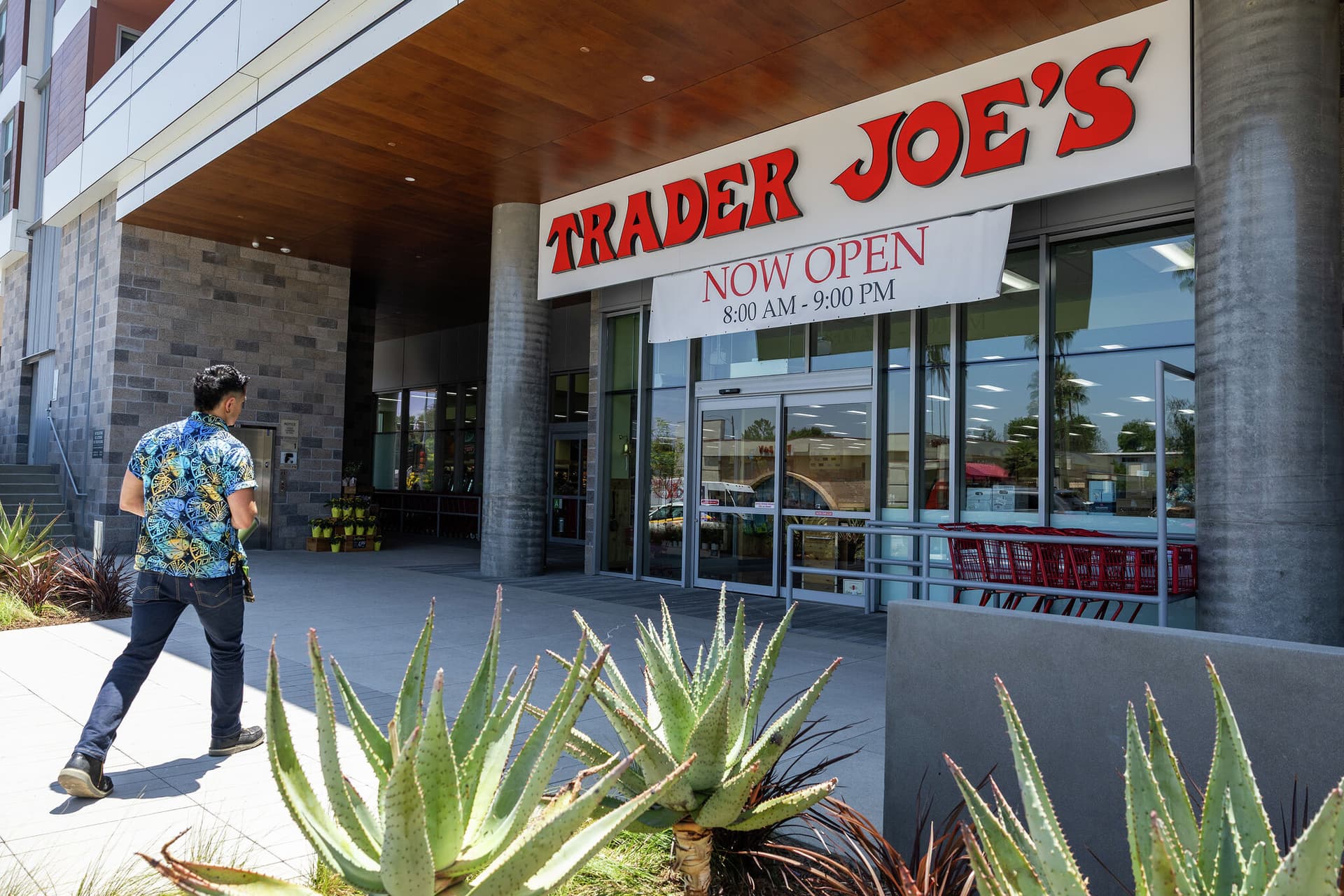
Trader Joe’s does not treat a new store like a simple lease signing. The company’s opening process starts with a location search, runs through internal checks on the site itself, and ends with a store that has to work for workers, customers, and the neighborhood from the first day the doors open. For crew members, that means openings are where the company’s culture becomes concrete, in the schedule, the loading dock, the training plan, and the support behind the scenes.
How Trader Joe’s chooses a site
The company says the process begins with researching and choosing the right location, then moves into a checks-and-balances review that looks at accessibility, loading dock design, size, and whether the store belongs in the neighborhood. That matters because Trader Joe’s has never framed expansion as a pure real estate game; it is deciding whether a store can function as a busy grocery operation and still fit the character of the area around it.
Trader Joe’s also says it listens to crew and customers when identifying where growth should happen. That gives store openings a feedback loop that is more practical than promotional: if a location performs well, if a community wants the brand, and if workers and shoppers keep signaling demand, the company can use that information to decide where the next store should go. The company’s public store-search and announcements pages reinforce that approach by tracking opening-soon locations and publishing updates for customers and workers to see.
What an opening means for day-one operations
A new store is not just a buildout. It is a staffing plan, a training project, a logistics puzzle, and a culture transfer all at once. Trader Joe’s real estate and construction leader says the team oversees real estate construction, maintenance of stores, new stores, and existing stores, which shows that the opening process is tied to long-term operations rather than a one-time finish line.
That structure matters for managers and crew because the opening has to work from the start. The loading dock has to support deliveries, the floor has to be sized for the neighborhood, and the store has to be ready to move product without creating chaos for workers. In Trader Joe’s model, the opening is where the brand promise becomes visible in actual workload, actual movement of inventory, and actual day-one safety and flow.
Why crew feedback shapes more than the site list
Trader Joe’s says feedback from customers and crew members guides its efforts to continuously improve. That language is easy to read as a broad culture statement, but in practice it reaches into real decisions about where to open, how to staff, and how to support stores once they are running. It also helps explain why the company treats expansion as something to be adjusted over time rather than dictated from a distance.
For workers, that feedback loop can matter in small but important ways. Crew members often know which neighborhoods are asking for a store, how busy a market feels at different hours, and what kind of loading or access problems make a location harder to run. When that input feeds into site selection, the result is a store that is more likely to function like a true neighborhood grocery rather than a generic retail box.
The career path behind the curtain
The opening process also reveals how Trader Joe’s thinks about internal mobility. The featured executive in Episode 52 says he spent about 17 years as a captain, eight years as a regional leader, and has been with the company nearly 33 years. That is a long path through the business, and it shows why openings are more than a construction milestone for people inside the company.
When a leader has moved from crew to captain to regional leadership and then into real estate and construction, openings become part of a larger talent system. They are one place where experience on the floor can shape how stores are designed, staffed, and launched. For crew members thinking about a long-term career, that kind of progression shows that store work can lead into operational roles far beyond a single location.
Trader Joe’s careers pages add another layer to that picture. The company says its lean office crew in Monrovia and Boston supports stores in merchandising, marketing, operations, human resources, information technology, and finance. That back-office support is part of the opening machinery too, because a store cannot open cleanly without people coordinating product, payroll, systems, and staffing behind the scenes.
How scale changes the stakes
Trader Joe’s says its first store opened in Pasadena, California, in 1967, and it describes itself as a national chain of neighborhood grocery stores that has been transforming grocery shopping since then. That history matters because a company that began with one store now has a much larger operating problem to solve every time it grows: each new location has to feel local while still fitting a national system.
As of June 26, 2026, the company’s store directory and secondary reporting pointed to about 656 U.S. stores. In 2026, multiple outlets also said Trader Joe’s planned roughly 18 to 25 new openings across about 12 to 15 states. Those numbers show deliberate growth rather than a flood of new stores, which makes each site choice and each opening team especially important.
What workers can take from the opening process
For crew members, the most useful lesson is that a Trader Joe’s opening is built around operational fit. The company checks whether a site can work for deliveries, customer flow, and neighborhood placement, then relies on crew, managers, and corporate support to make the store feel established quickly. That is why openings are a window into how the company actually works, not just where it wants to grow.
Trader Joe’s also ties that system to worker incentives. Eligible crew members can receive up to a 20% store discount, and the company says medical, dental, and vision plan contributions can be as low as $25 per month. Put together, the site selection process, the internal support structure, and the career path from crew to leadership show why a new store opening is not just another date on a calendar. It is the point where Trader Joe’s turns feedback, labor, and logistics into a working neighborhood store.
This article was produced by Prism’s automated news system from verified source data, official records, and press releases, then run through automated quality and moderation checks before publishing. The system is built and supervised by the people who set the standards it runs under. Read our full AI policy.
Did this article answer your question?