Trader Joe’s ranks 15th with high-income shoppers in trust survey
Trader Joe’s landed 15th with households making $100,000 or more, a sign that trust still sells when crew answers, shelf discipline, and product picks line up.

Trader Joe’s still has real pull with affluent shoppers, and that matters on the sales floor as much as it does in a trust survey. Morning Consult’s 2026 ranking put the chain 15th among consumers with household incomes of $100,000 or more, in a field that spanned 184 brands across 30 rankings and drew more than 10,000 surveys per brand on average.
The broader study helps explain why that number carries weight. Supermarket News reported that Aldi won the grocery store category with a trust score of 47.5, while Costco placed fourth overall among all brands measured. Trader Joe’s was not the top grocery name in the overall field, but it remained strong with shoppers who have a lot of premium food options and are still choosing the chain’s mix of value, novelty, and service.

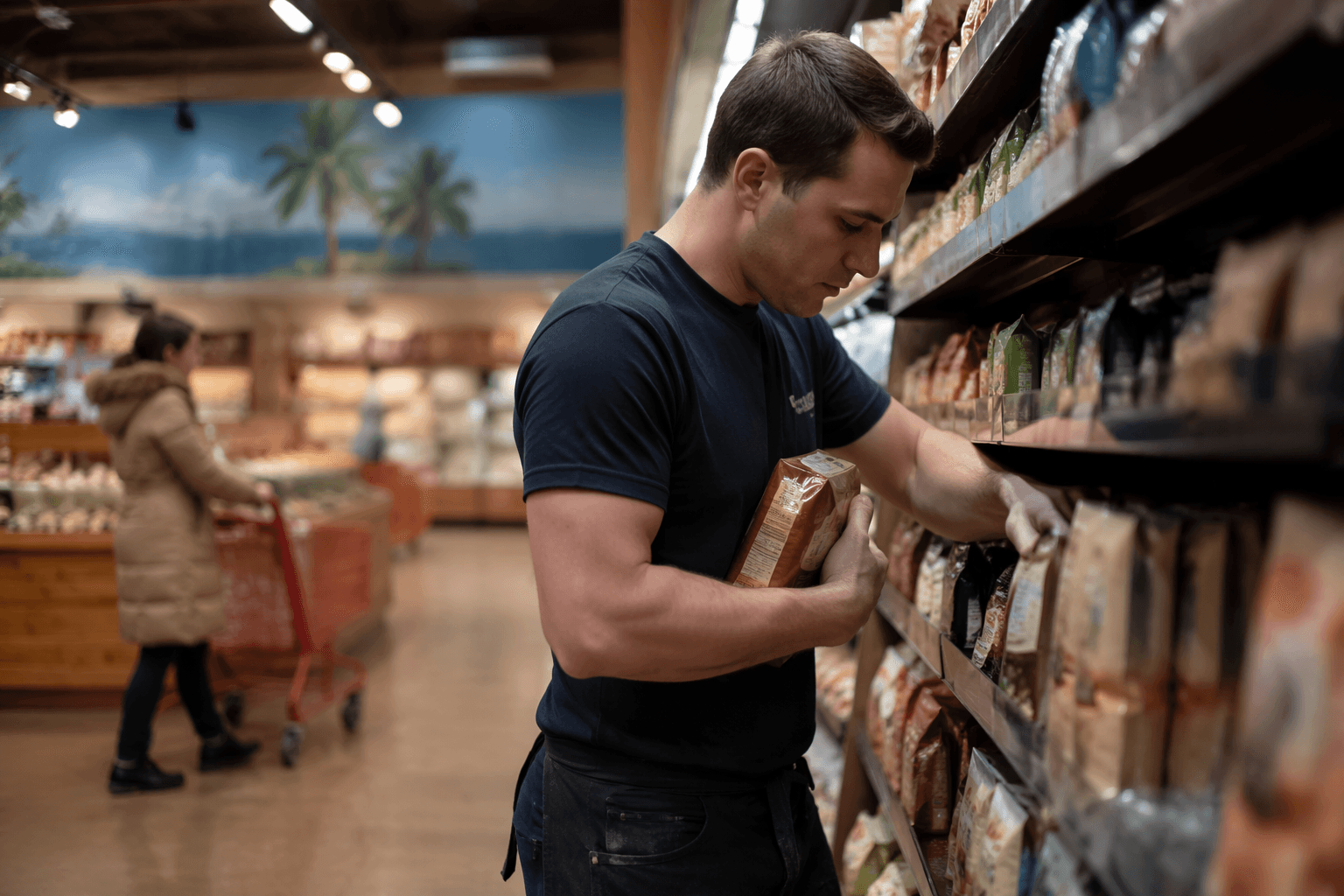
For crew members, that trust turns into a daily expectation: know the products, explain the gaps, and keep the store feeling intentional even when inventory is not. Trader Joe’s says it is a national chain of neighborhood grocery stores focused on “outstanding value” through “the best quality products at the best everyday prices,” and says its Crew Members create a “fun, friendly and informative shopping experience.” That is not just branding. It is the operating standard shoppers are buying into when they expect a crew member to recommend the right cheese, explain a seasonal item, or defuse frustration when a cult-favorite product disappears.
The company also leans on neighborhood identity to reinforce that trust. Trader Joe’s says it has been transforming grocery shopping into a “welcoming journey full of discovery and fun” since 1967, when Joe Coulombe opened the first store in Pasadena, California. The company later sold to Theo Albrecht in 1979, linking the chain to a broader grocery history that still shapes how customers read the brand today. Its Neighborhood Shares program adds another piece of the trust equation: Trader Joe’s says it donates 100% of unsold but still-fit-for-consumption food to local nonprofit organizations, and says nearly 80% of those donations are produce, prepared foods, bakery items, proteins, dairy, and eggs.
The tension is that customer trust and worker trust do not always move together. Trader Joe’s workers began organizing at several stores starting in 2022, with Hadley, Massachusetts, becoming the first unionized store. Crew members have continued pushing for contracts and filing unfair labor practice charges in ongoing disputes. That makes the trust ranking more than a feel-good metric. It is a reminder that every smooth interaction at the register, every useful product tip, and every cleanly handled out-of-stock item helps sustain a brand that depends on human judgment, even as workers continue pressing for that same respect inside the stores.
This article was produced by Prism’s automated news system from verified source data, official records, and press releases, then run through automated quality and moderation checks before publishing. The system is built and supervised by the people who set the standards it runs under. Read our full AI policy.
Did this article answer your question?