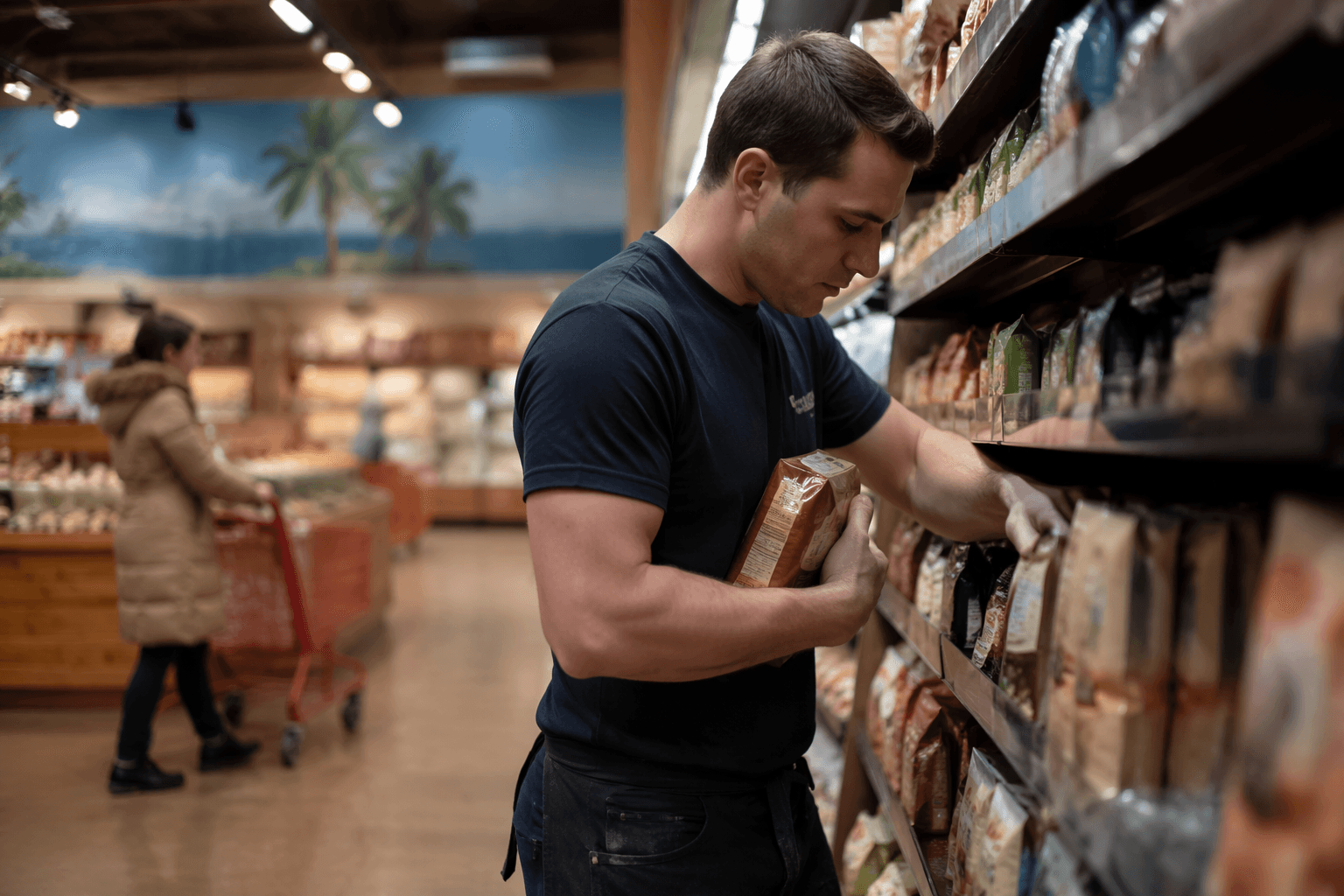
Trader Joe's recalls chicken fried rice after glass contamination scare
Trader Joe’s pulled chicken fried rice after a glass contamination scare, then widened the recall in March. For crews, the message was simple: move fast, over-communicate, and clear the shelf.
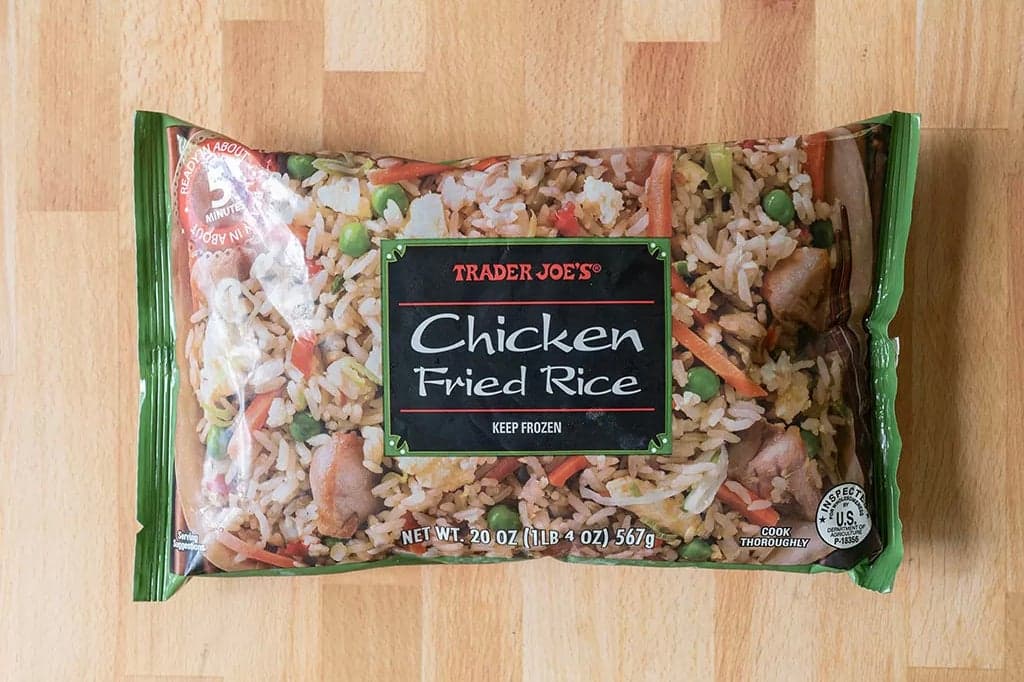
Trader Joe’s did not wait for perfect certainty before moving on its chicken fried rice. The company’s food-safety playbook says it “errs on the side of caution” and will “voluntarily take action quickly” when there is any doubt about a product’s safety or quality, and the February recall showed exactly how that works on the floor.
On February 20, 2026, Trader Joe’s announced a recall of certain Chicken Fried Rice products because of a potential glass contamination issue. The company said there were no confirmed injuries at the time. The action was tied to a much larger U.S. Department of Agriculture Food Safety and Inspection Service recall announced the day before by Ajinomoto Foods North America, Inc., which covered about 3,370,530 pounds of frozen chicken fried rice products nationwide.
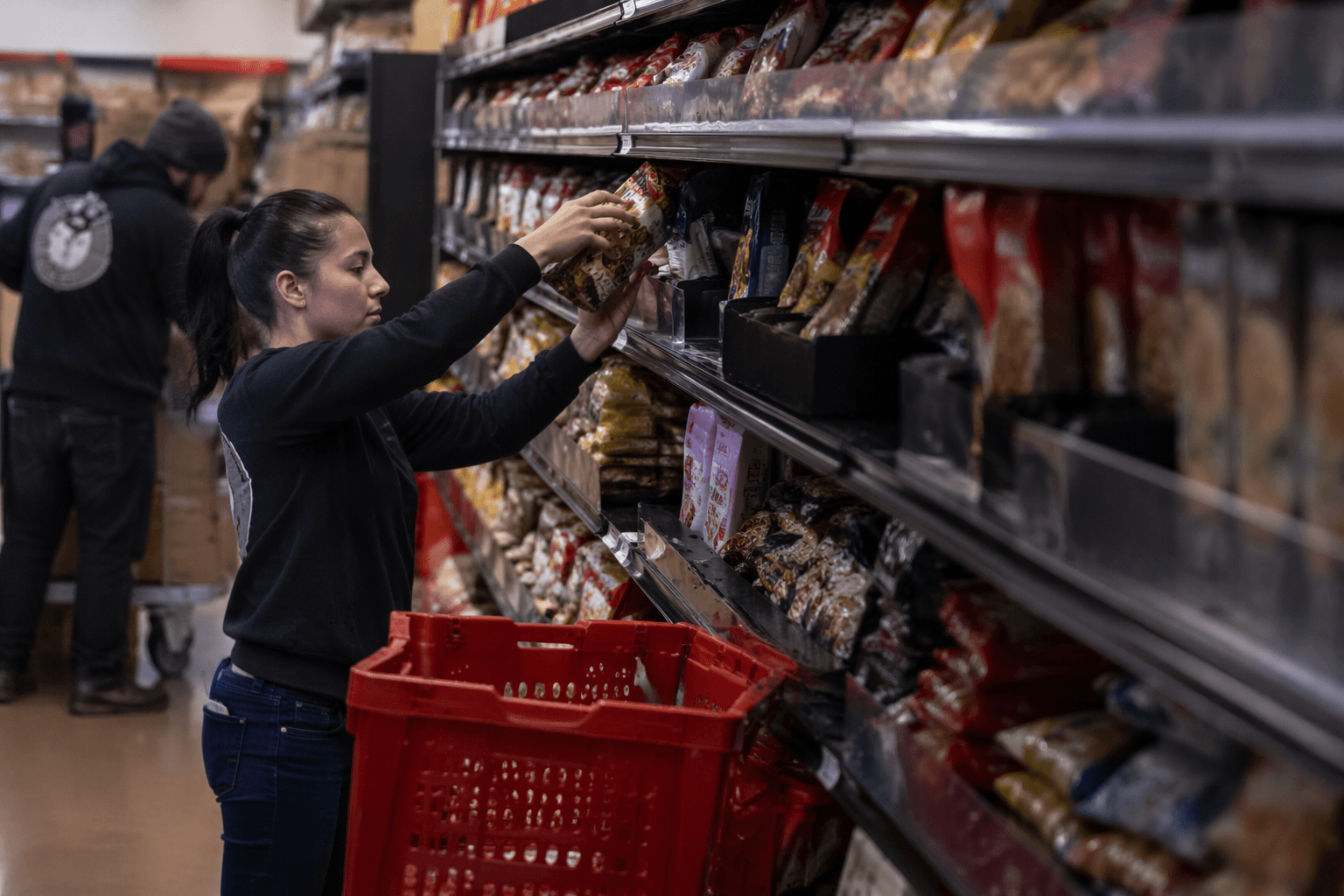
The Trader Joe’s product at issue carried best-by dates from September 8, 2026 through November 17, 2026, and USDA establishment number P-18356. For crew members, those details are not just label trivia. They are the operational cues that determine what gets pulled, what gets checked at the shelf, and what gets flagged when shoppers ask why a product vanished from the case.
Trader Joe’s then widened the response on March 3, 2026, saying it was recalling additional frozen products related to the Ajinomoto action, again “in an abundance of caution.” By late March, the issue had expanded into a broader frozen-food recall affecting multiple Trader Joe’s products in 43 states. That escalation underscores the company’s preferred rhythm in a suspected food-safety event: act first, investigate aggressively, and communicate before rumor fills the gap.
The communication piece matters just as much as the pull. Trader Joe’s says recall notices can go out through in-store signs, the website, and email alerts. Its privacy policy says customer information can be used to notify people of product recalls, while its contact pages direct shoppers to customer relations and product-quality reporting forms. In practice, that puts the front line in the middle of the response, from clearing product to answering questions to steering customers to the right channel.
Behind that response is a tighter sourcing system than many shoppers see. Trader Joe’s says it buys only from FDA- or USDA-licensed commercial manufacturing facilities with food-safety certifications such as GMP and HACCP, and that every site processing, packing, storing, or distributing product to Trader Joe’s must undergo an annual Global Food Safety Initiative benchmarked audit. The company’s own product philosophy is built around taste and quality, but the recall response shows the harder truth of grocery retail: once a safety issue appears, speed and clarity are part of the brand, too.
This article was produced by Prism’s automated news system from verified source data, official records, and press releases, then run through automated quality and moderation checks before publishing. The system is built and supervised by the people who set the standards it runs under. Read our full AI policy.
Did this article answer your question?