Trader Joe’s says crew are the brand, not robots are the future
Trader Joe’s says crew can expect twice-yearly reviews, an average 7% annual increase, and a promotion ladder that keeps Captains, Mates and Merchants coming from inside the store.

Trader Joe’s is drawing a sharp line between a human-first store model and the automation many retailers are chasing. The company says crew members get performance reviews twice a year, have the potential for an average 7% annual increase, and can move into leadership through a pipeline that keeps the Captain role filled from within.
That is the clearest official answer Trader Joe’s gives to workers wondering what advancement looks like inside the chain. In its careers materials, the company says Captains are always promoted from within, while Mates and Merchants come from Crew Members. The message is simple: the store floor is not just where the work happens, it is where leadership is supposed to come from.

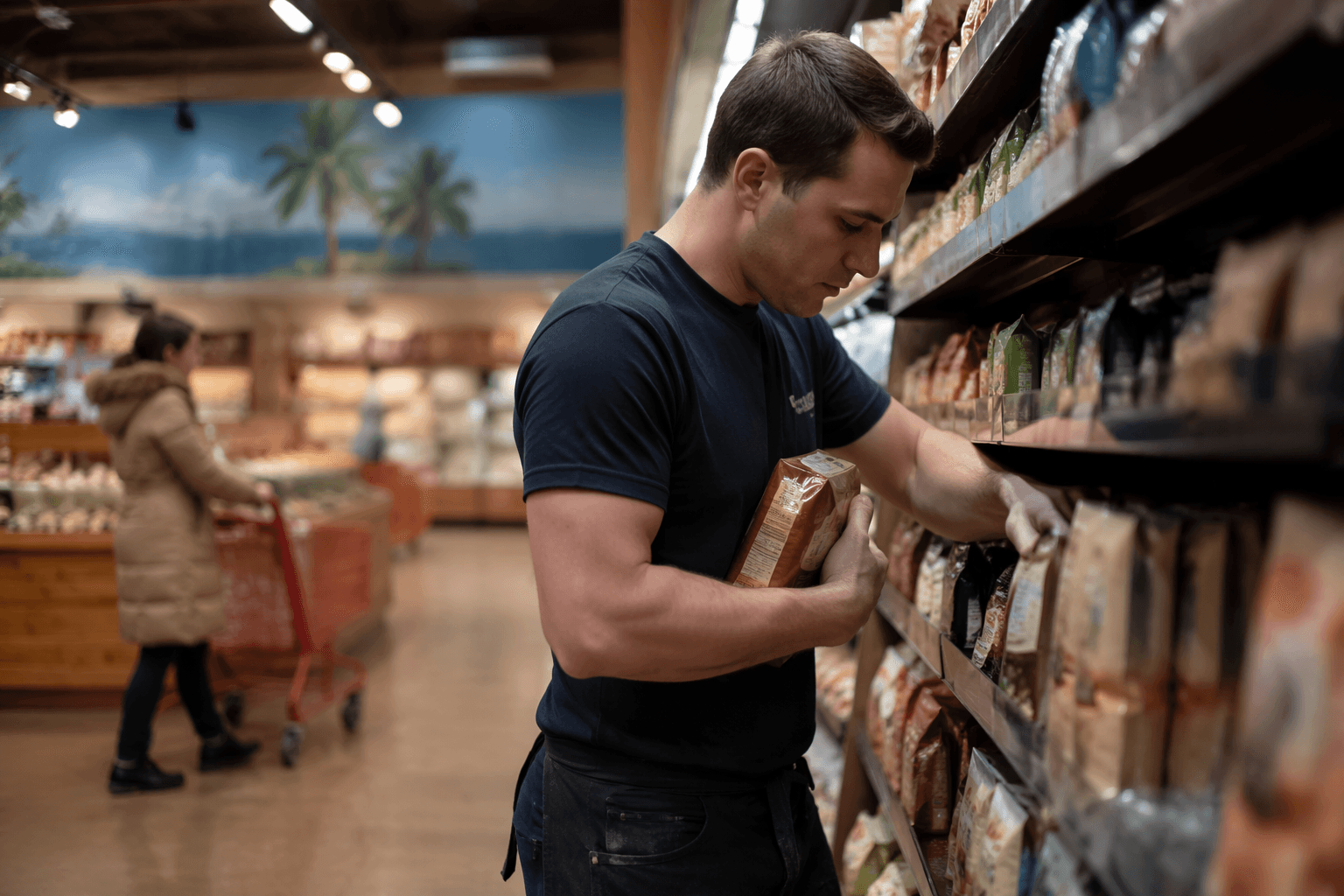
Trader Joe’s also ties that promise to how it wants stores run day to day. The company says it is not looking to replace people with self-checkout robots, a stance that fits its long-standing reliance on crew interaction, product recommendations, and in-person service. For workers, that means the job is still built around being visible on the floor, learning products, and handling customers face to face rather than stepping aside for machines.
That labor model also helps explain why Trader Joe’s emphasizes cross-training and steady observation. A floor-first store does not leave much room for a back-office career ladder; it asks crew members to learn fast, cover different roles, and prove they can operate in front of customers. The company’s message is that those expectations are part of the opportunity, not separate from it.
The pitch comes from a company that has sold itself as a people-centered grocery operator since 1967 and now runs more than 600 stores with roughly 15,000 to 17,000 employees. That scale matters because the culture claims are no longer about a few quirky shops in California. They apply across a national chain that still depends on crew members to deliver the customer experience.
But the same internal story about opportunity has run into labor conflict. The first Trader Joe’s store to unionize was in Hadley, Massachusetts, where workers voted 45-31 in July 2022. The National Labor Relations Board docket for that case listed 77 employees and a unit made up of all crew members. Trader Joe’s United later said it represented four stores, including Hadley, Oakland, Louisville and Minneapolis, and a 2025 ruling found the company violated federal labor law by refusing to begin bargaining in Kentucky.
For crew members and managers, the gap between promise and practice is the key detail. Trader Joe’s says it is people-centric, pays above industry averages and promotes from within. The open question on the floor is how consistently that promise holds up when workers ask for raises, advancement and a voice in how the store is run.
This article was produced by Prism’s automated news system from verified source data, official records, and press releases, then run through automated quality and moderation checks before publishing. The system is built and supervised by the people who set the standards it runs under. Read our full AI policy.
Did this article answer your question?