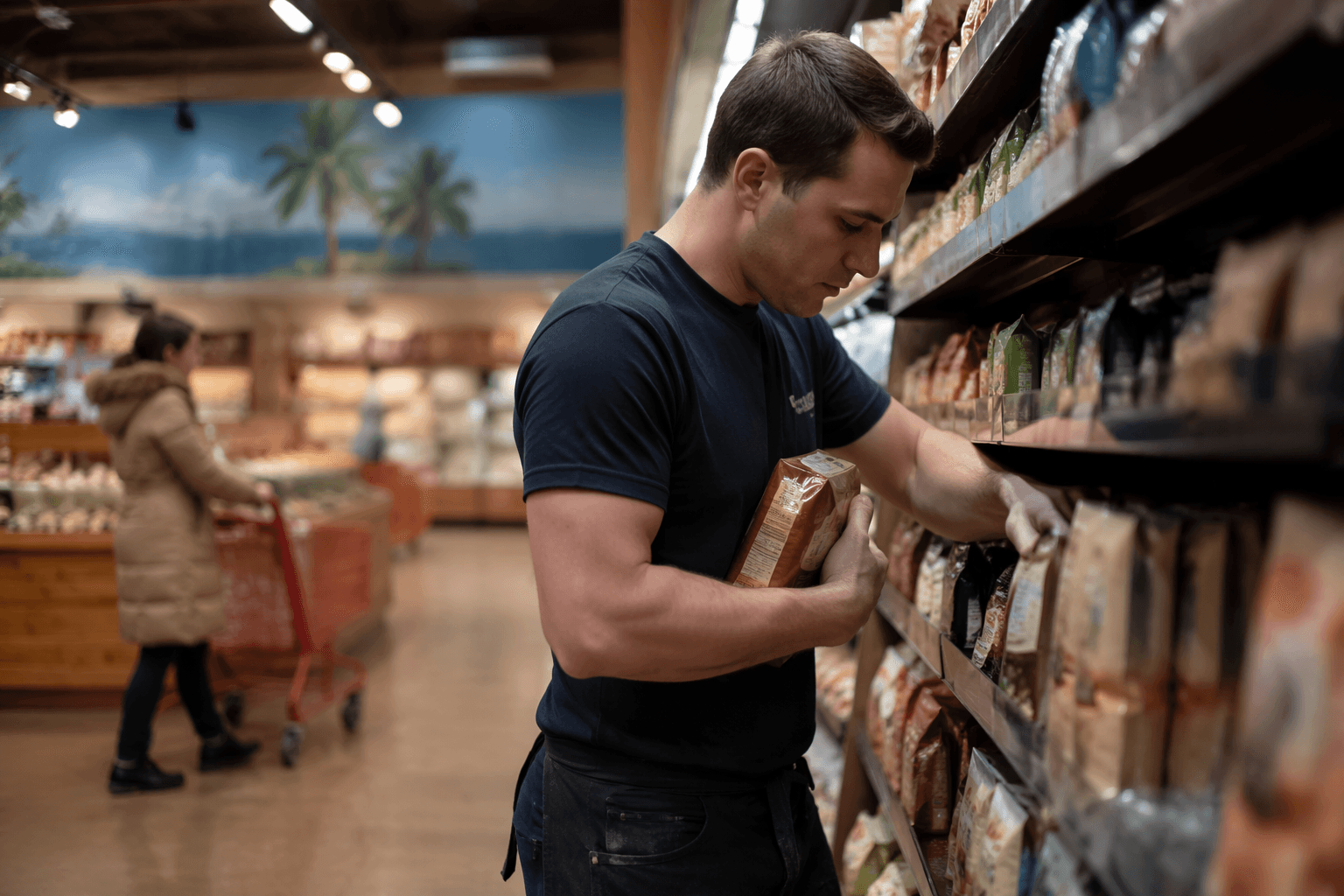
Trader Joe's shoppers are being trained to expect AI shopping help
Recipe photos can now become carts at Kroger and Wegmans, and Trader Joe’s crew may hear more shoppers asking why the chain still works like a store, not an app.

Grocery shoppers are being trained to expect a different kind of help: type what you need, drop in a recipe link or even a photo, and let software build the cart. That shift is already reaching Trader Joe’s aisles, where crew members are more likely to be asked why the chain does not work like the apps shoppers use elsewhere.
Cooklist has rolled out an agentic shopping experience for Kroger and Wegmans Food Markets that lets shoppers describe what they need and receive a suggested cart. Wegmans’ assistant was still in beta, but the direction is clear. Progressive Grocer said Cooklist’s AI Shopping Assistant was already live across seven grocery banners, covering more than 700 stores and 10 million digital shoppers, with plans to add 10 more banners and 7 million more shoppers in the coming weeks.
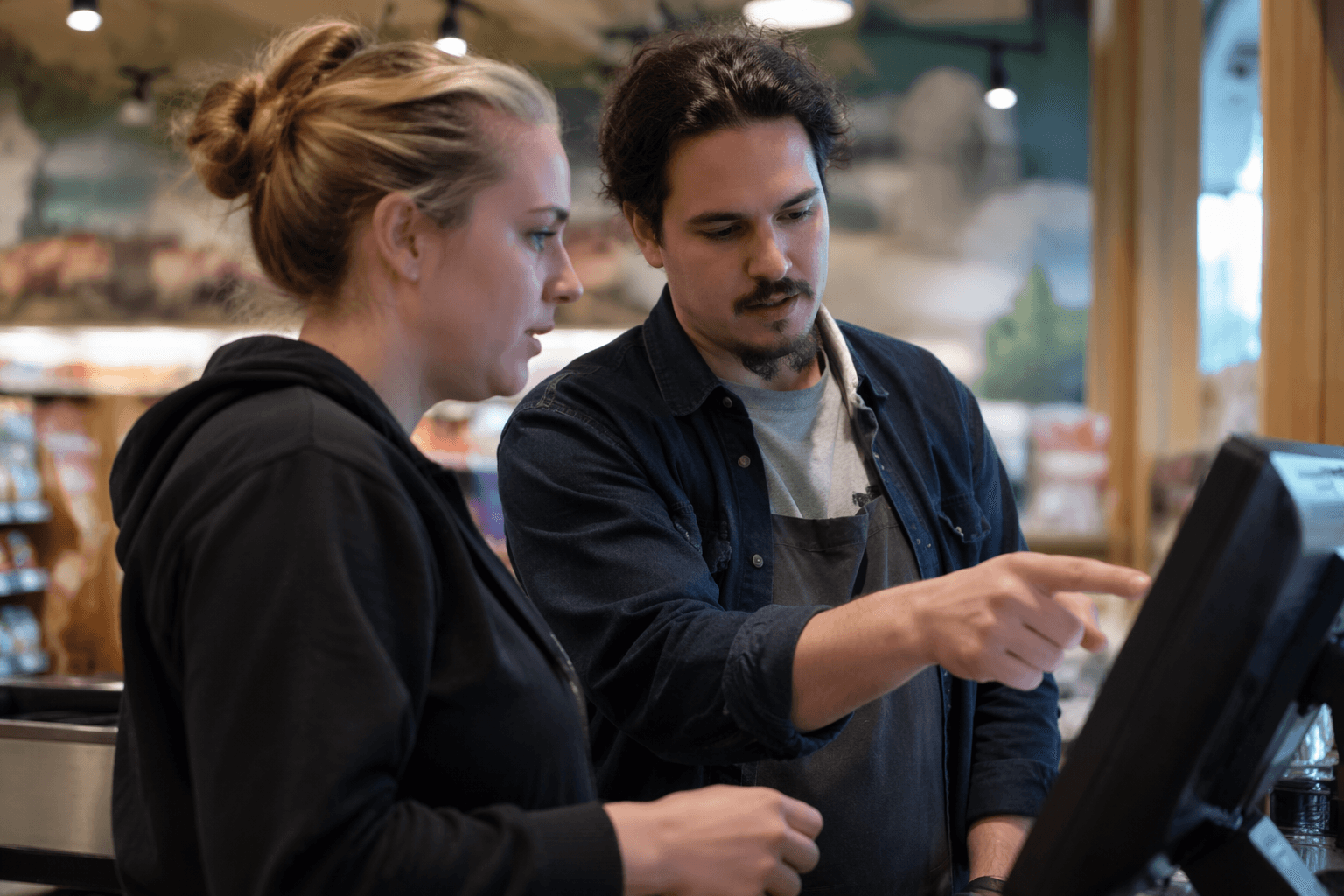
DoorDash pushed the same trend further with Ask DoorDash, a conversational shopping assistant that can turn a recipe link, cookbook photo or shopping-list image into a shoppable cart. That matters for Trader Joe’s because the chain’s model is built around a narrower promise: its FAQ says the company focuses on providing customers with products in its stores every day, does not take special orders or large-quantity purchases, and only issues and accepts physical gift cards in its physical stores. Trader Joe’s also says not every product is represented online and sends shoppers back to the neighborhood store for product information.
That gap is where the friction will land on the sales floor. Crew members can expect more customers arriving with AI-built meal plans, asking for exact substitutions, or expecting the store to behave like a digital shopping engine when it is still designed around a limited assortment and a live in-store experience. A shopper who is used to a conversational assistant may not understand why a seasonal item is gone, why a requested ingredient is not carried, or why a cart that looked perfect on a screen falls apart at the shelf.
Trader Joe’s can afford to stay that way because the company keeps growing without leaning on e-commerce. It opened 34 stores in 2024, had a dozen or more in the pipeline for 2025, and said in 2026 that it planned to open more than 20 stores that year. USA Today reported in April 2026 that 18 more stores were expected in the coming months, and independent location trackers put the chain at about 656 U.S. stores as of June 15, 2026.
The company also has customer loyalty on its side. The American Customer Satisfaction Index said Trader Joe’s and Publix tied at 84 in January 2025, and a 2026 report put Trader Joe’s at 86, ahead of Publix. That gives Trader Joe’s a cushion as competitors automate the front end of grocery shopping. For crew, the practical reality is simpler: the industry is teaching shoppers to expect AI help, but Trader Joe’s is still teaching them how to shop the Trader Joe’s way.
This article was produced by Prism’s automated news system from verified source data, official records, and press releases, then run through automated quality and moderation checks before publishing. The system is built and supervised by the people who set the standards it runs under. Read our full AI policy.
Did this article answer your question?